While a company can present you with an aggregate package cost, it is still important to know where your money is being spent. Permits, guide and porter services, transportation, accommodation, meals, personal expenses, trekking gear, and travel insurance can all influence how much you spend. Some of these costs are fixed, whereas some depend on your budget as well as spending habits.
The cost for the Manaslu Circuit Trek also can change depending on the length of the itinerary, group size, travel season, transport choice, and the level of service you prefer. Doing the trek in a group is much more affordable and may cost less as opposed to a private solo trip with the same facilities.
This detailed cost breakdown for Manaslu Circuit Trek will help you know where your money goes, which expenses are necessary, what may be included in a trek package, and other expenses that travelers often forget. This will not only help you compare different itineraries and packages as a whole but also help you create a realistic daily budget and provide you more freedom of spending and allow you to choose an option that matches your needs without compromising safety, acclimatization, or the overall experience.
Manaslu Circuit Trek Cost at a Glance
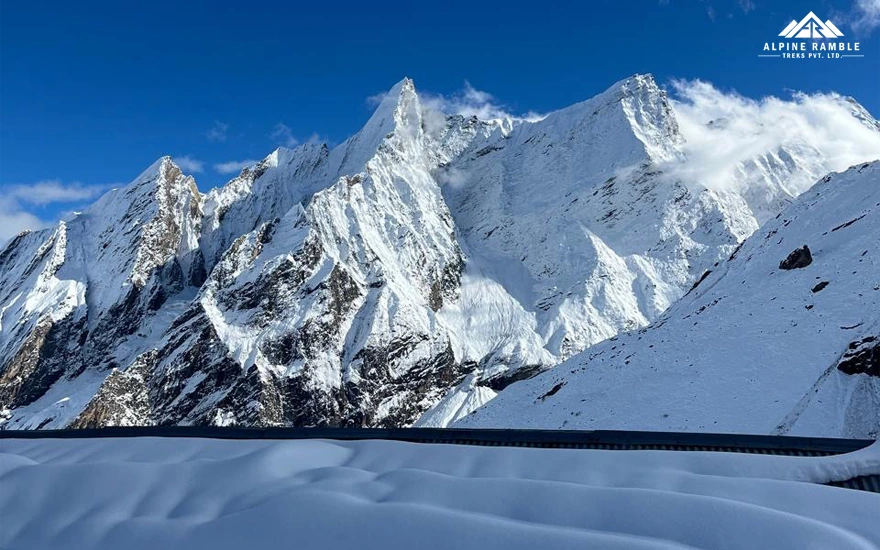
As discussed earlier, the cost for the Manaslu Circuit Trek is not set through a particular price and is comprised of some other components as well that include the length of the itinerary, group size, trekking period, mode of transport, meal plans, porterage and whether a trek is done in a group or privately.
The major cost components of a Manaslu Circuit Trek itinerary are restricted areas permit, conservation permit, licensed guide, transport, teahouse lodging, food & personal expenses on the trek. Additional costs may also include porter fees, trekking gear and travel insurance, besides tips for staff and an extra hotel stay in Kathmandu.
The table below provides a quick overview of the main costs involved:
| Expense |
Required or optional? |
Estimated cost |
| Manaslu Restricted Area Permit |
Required |
USD 75–100 for the first week, depending on the season |
| Additional restricted-area days |
Required when applicable |
USD 10–15 per person per day |
| Manaslu Conservation Area Permit |
Required |
NPR 3,000 per foreign traveller |
| Annapurna Conservation Area Permit |
Required for the standard route |
NPR 3,000 per foreign traveller |
| Licensed trekking guide |
Required |
Usually included in an organised package |
| Porter service |
Optional |
Depends on trek duration and porter arrangement |
| Ground transportation |
Required |
Varies between public bus, shared jeep and private jeep |
| Teahouse accommodation |
Required |
Charged per room or included in the package |
| Breakfast, lunch and dinner |
Required |
Paid daily or included in a full-board package |
| Drinking water and hot drinks |
Personal expense |
Depends on the village and elevation |
| Wi-Fi, charging and hot showers |
Optional |
Paid separately at most teahouses |
| Trekking equipment |
Personal expense |
Purchase or rental cost |
| Travel insurance |
Essential |
Depends on nationality, age and coverage |
| Guide and porter tips |
Customary |
Paid at the end of the trek |
| Emergency or contingency fund |
Recommended |
Based on the traveller’s itinerary and service level |
While there is a fixed government rate for the permits, everything else will depend on how the Manaslu Circuit Trek is organized. A group trip using regular teahouses and transport will cost less than an individual trip with a porter and a private jeep. Hence, individuals should look at what is included in the packages for the Manaslu Circuit Trek and not just go by the price.
What Determines the Final Manaslu Circuit Trek Price?
The final Manaslu Circuit Trek price can differ considerably from one trekker to another. Even if the two trekkers take the exact same path, there could be a difference in terms of their costs. Factors such as the length of the itinerary, the number of people traveling, transportation, the food plan, the travel time of the year, and other add-ons all affect the total cost.
These details would help you to understand which trekking package is worth buying.
Length of the itinerary
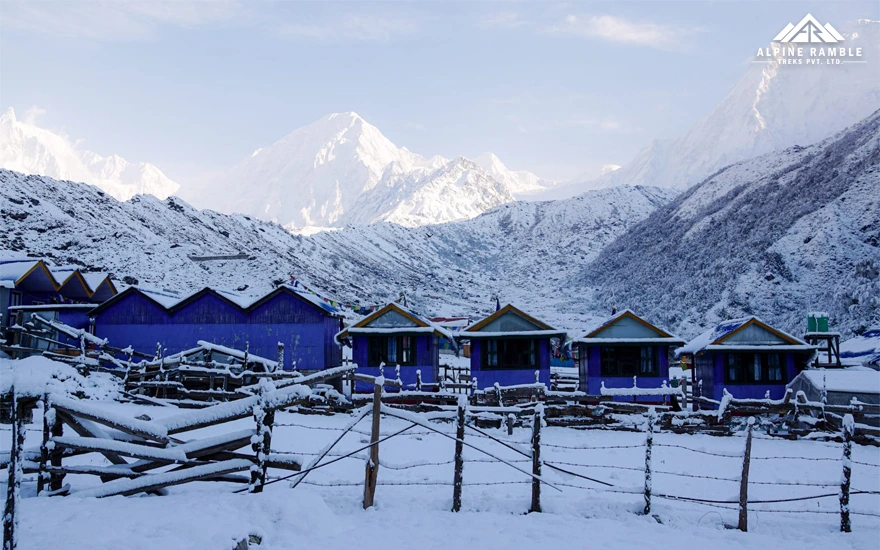
One of the major determining factors of budget size is the duration of the Manaslu Circuit Trek itinerary. The longer the itinerary, the longer the use of services from accommodation, food, guide services and personal spending on the trail. Trekkers who stay over seven days in the restricted area also may be required to pay an additional permit fee for each extra day. It is natural for Manslu Circuit Trek 10 days to cost less compared to Manaslu Circuit Trek 12 Days or Manaslu Circuit Trek 20 Days with Tsum Valley.
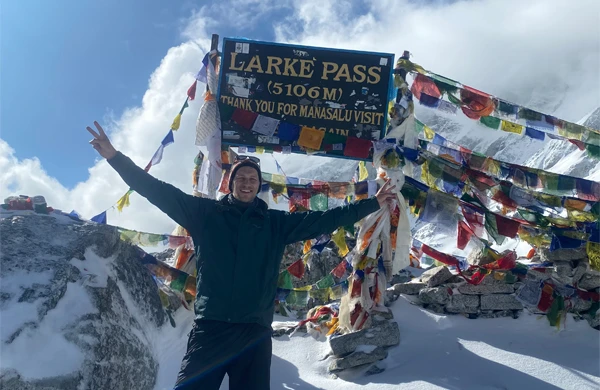
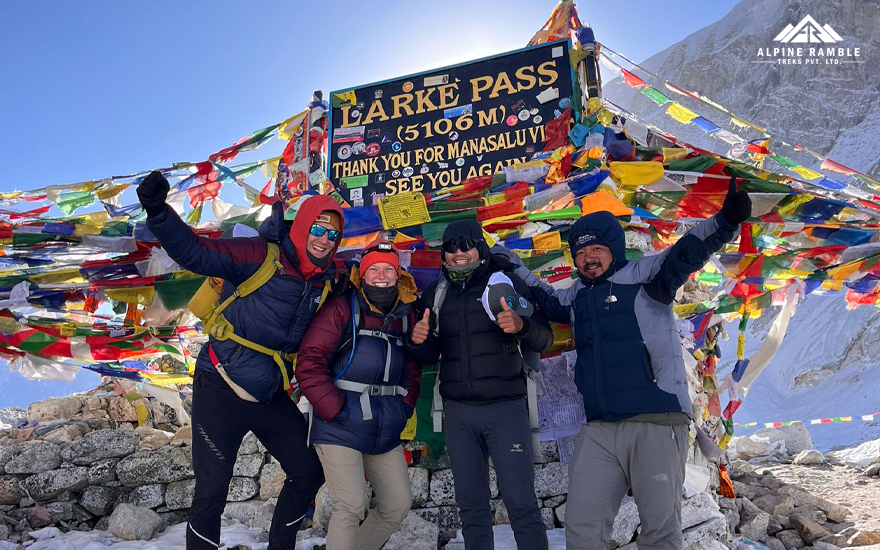
While a shorter itinerary looks less expensive, reducing the number of days is not always the best way to save cost for the trek. The Manaslu Circuit trek takes you to high altitudes, including the 5,106-meter Larkya La Pass, so the itinerary should allow time for a gradual altitude gain, acclimatization and manageable walking days.
Having a well-paced itinerary may cost a bit more, but it can mean a safer and more enjoyable trek.
Group size for the Manaslu Circuit Trek
The cost of the Manaslu Circuit Trek per person is mainly influenced by group size. Some costs are shared, such as your guide, private transport and airport transfers. Solo hikers or couples will often find they pay a little more per person, simply because there are fewer people to split the bill.
Normally, the more people in your group, the lower the cost. But keep in mind larger groups may need more guides or porters to keep everyone safe and well looked after. Lastly, some costs such as permits, food, lodging, insurance, and personal expenses are strictly per person and will not decrease no matter how large your group is.
Private Manaslu Trek Vs Group Manaslu Circuit Trek Departure
A scheduled group departure is generally more budget-friendly because guide services and transportation costs are shared among several trekkers. This can be a great option for solo travelers or couples who don’t mind following an itinerary and meeting new people.
While a private trek option costs more, it does provide greater flexibility when trekking so you can decide everything on your own accord and do not have to follow a strict schedule. This allows you to choose your own departure date, adjust the walking pace, add acclimatization days, select transportation options, and receive more personalized support as opposed to group departure, where everything has already been fixed by the agencies.
So, in conclusion, if you are looking for an affordable trekking option to the Manslu Region, group departure is the ideal option, but if you value flexibility and personal decision, then a private trek is the best. The better choice depends on whether your priority is keeping the cost lower or having more control over the itinerary and daily pace.
Transportation Choice for the Manaslu Circuit Trek
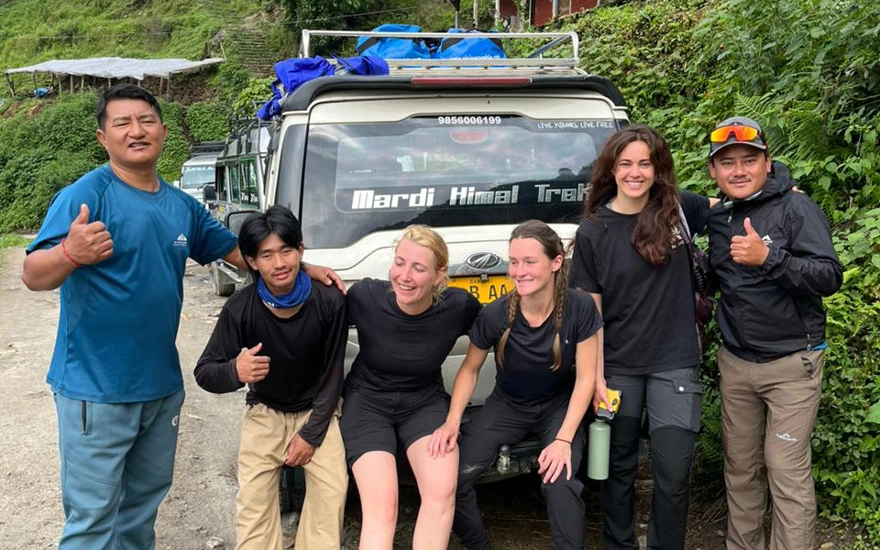
There are different viable modes of transportation when it comes to the Manaslu Circuit Trek. From public buses to private jeeps, many options are available. However, there are no flights on the Manaslu Circuit Trek like the Everest Base Camp Trek, where it directly takes you to Lukla. The transport for this trek is strictly road transportation.
Public buses are typically the cheapest way to get around, but they can be crowded, slower and less comfortable on bumpy roads. Shared jeeps are a bit more expensive than public buses but offer a more comfortable ride and are faster on wheels. The most expensive option is the private jeep; however, you will have more comfort, flexible departure times and direct transfer for your group.
For a larger group, the cost of a private jeep can be split among several travelers, making it more reasonable per person. If you’re traveling alone or as a couple, you may want to consider sharing a jeep as the best compromise between price and comfort.
Meals Included in the Package vs. Pay-as-you-go
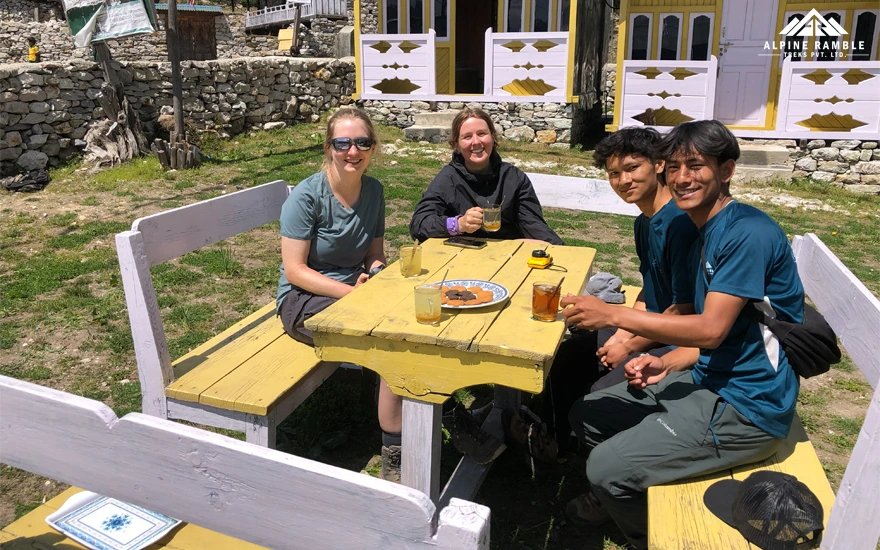
Most of the packages for the Manaslu Circuit Trek include the standard meals, which are breakfast, lunch, and dinner, but it also depends on which company you are choosing. It may not be the case for every package, so make sure to know the inclusions and exclusions before booking the package.
It may be tempting to go for the cheaper package that doesn’t include meals, but the cost of food can really add up by the end. Where the trail reaches more remote, higher villages, the price of a meal tends to be higher, as supplies have to be brought in by jeep, mule, porter or local carrier.
A full-board package helps to make the total budget more predictable. Paying for your meals separately gives you more control over what you order, but you’ll have to carry enough cash and account for changing prices along the way.
Season and availability during the Manaslu Circuit Trek
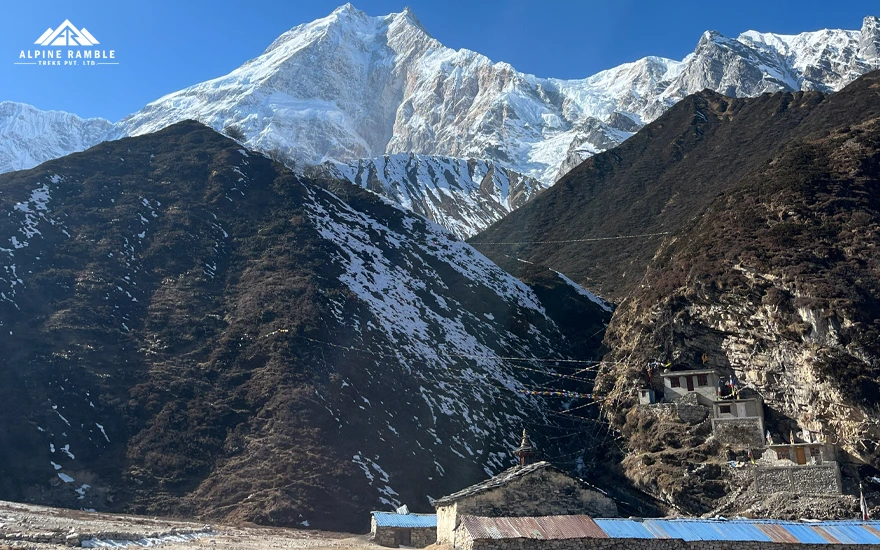
The season of travel is important when it comes to estimating the total cost of the Manaslu Circuit Trek because the restricted area permit has different prices depending on the season. Namely, from September through November the price of the permit is USD 100 per person for the first seven days, and from December through August, it is USD 75 per person for the same period of time. Additional days will cost differently during these two periods.
Spring and autumn are considered to be the peak seasons for the Manaslu Circuit. It is easier to get a guide, a porter, a private jeep and a room in smaller teahouses during this time. Planning your trek in advance is very important to get everything you need for the trek.
In winter and monsoon seasons, there are not so many people going trekking. However, this does not always guarantee the economy of the trek or make things easier because of snow, rains, landslides, cold weather and poor services of lodges. Therefore, you should not choose the off-season because of saving money only.
Porter and accommodation upgrades
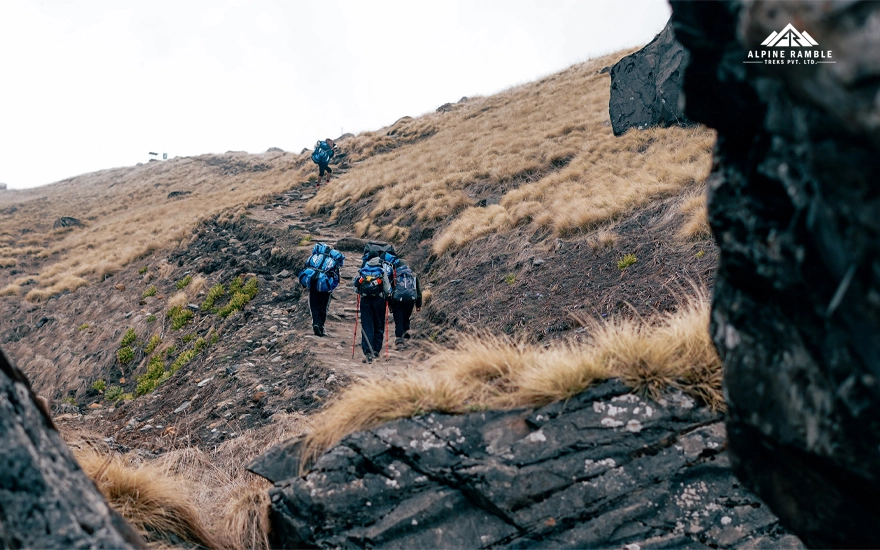
Hiring a porter is not mandatory, but for a trek like the Manaslu Circuit, it will be an immense help. It definitely increases the overall cost, but the trek itself becomes more manageable. And many companies even provide guide support as a part of their package, so paying for the package means getting the porter service.
It allows you to carry a lighter daypack, allowing trekkers to conserve energy, maintain better balance, and focus more comfortably on the trail, especially during steep climbs and the crossing of Larkya La Pass.
Accommodation upgrades may also affect the package price. Most upgrades are only available in the lower regions or Kathmandu itself because the higher you ascend, the more basic the facilities are.
Other things that need to be budgeted for include additional nights in Kathmandu, single rooms, private bathrooms, or hotel upgrades. Travelers need to know where the upgrades are possible and not expect the same comfort along the whole trail.
Manaslu Circuit Trek Permit Cost
The Manaslu Circuit Trek is only doable after getting the permit. Since the Manaslu Circuit route falls within the area of the Manaslu Conservation Area, one of the restricted protected areas of Nepal, getting a permit isn’t only important and mandated by the law but also by the local communities.
Consequently, there are three separate permits needed for most traditional itineraries:
- Manaslu Restricted Area Permit,
- the Manaslu Conservation Area Permit, and
- Annapurna Conservation Area Permit
The cost mostly depends on your nationality, the time of year during which you choose to go on the trip, and the number of days within the restricted zone of Manaslu. The government charges are generally included in the package of the Manaslu Circuit Trek, but it does not hurt to double-check.
Manaslu Restricted Area Permit fee
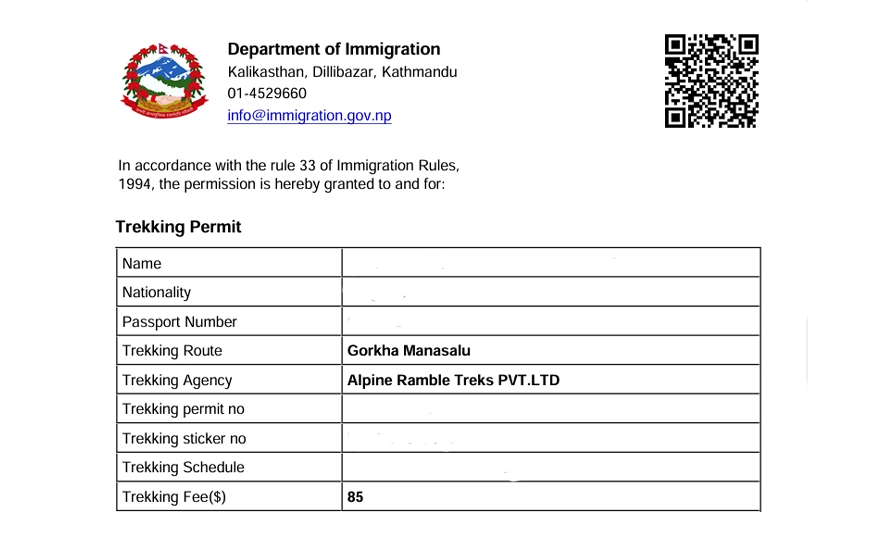
The Manaslu Restricted Area Permit, referred to as the Manaslu RAP, is the costliest among the three permits. This is because the trek enters the restricted area jurisdiction of Chumnubri Rural Municipality in Gorkha.
The permit has two seasonal rates:
| Travel period |
First seven days |
Each additional day |
| September to November |
USD 100 per person |
USD 15 per person |
| December to August |
USD 75 per person |
USD 10 per person |
The permit cost above indicates the per-person costs, with the extra cost starting once the itinerary exceeds the seven-day duration in the restricted area. According to the Nepal Tourism Board official permit listings, the extra cost comes into effect from September to November, while the lower cost applies from December to August.
It is distinct from the conservation permits in that its pricing depends on the dates indicated on the trekking itinerary, not just the overall duration of the whole trek.
Manaslu Conservation Area Permit
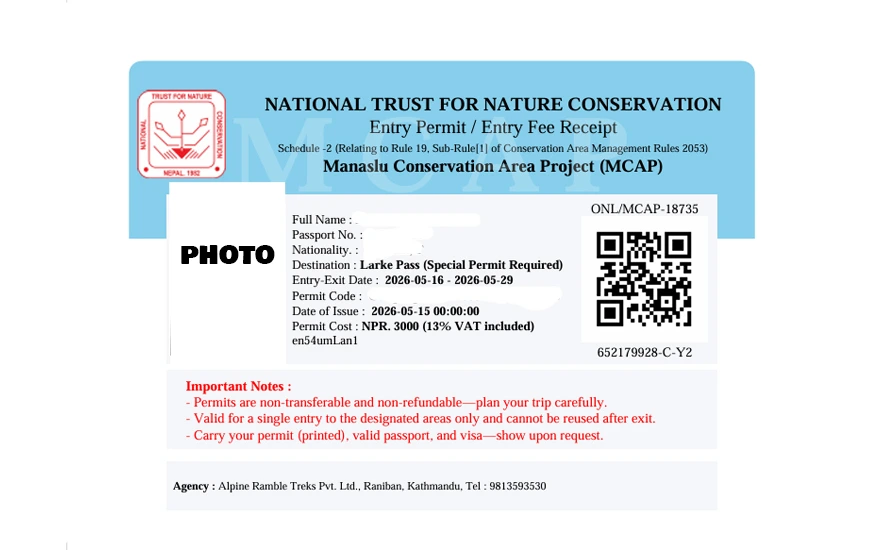
The MCAP permit is needed in order to access the Manaslu Conservation Area. This includes much of the trail passing through Gorkha and some of the communities that belong to the Chumnubri Rural Municipality.
The current MCAP entry fee is:
| Nationality |
Manaslu Conservation Area Permit fee |
| Foreign nationals |
NPR 3,000 per person |
| SAARC nationals |
NPR 1,000 per person |
In contrast to the Restricted Area Permit, where the cost varies according to the trekking period and duration, the MCAP permit does not vary according to any such factors but is a one-off entry cost.
The official online portal of the National Trust for Nature Conservation charges an amount of NPR 3,000 for foreigners and NPR 1,000 for SAARC citizens.
Annapurna Conservation Area Permit
While the majority of the journey takes place in the Manaslu region, the usual circuit finally heads to the Annapurna region after crossing the Larkya La pass. The journey normally proceeds from the Bhimthang and Dharapani to the end point at Besisahar, which is the reason an ACAP permit is also needed.
The current ACAP rates are:
| Nationality |
Annapurna Conservation Area Permit fee |
| Foreign Nationals |
NPR 3,000 per person |
| SAARC nationals |
NPR 1,000 per person |
Similar to the MCAP, the ACAP permit fee is a one-time fee and is not affected by the number of days spent on the trek. The official NTNC online permit portal caters for the ACAP and MCAP permits using the same conservation area fee schedule.
However, travellers undertaking the shorter path that does not cross the Annapurna Conservation Area may wish to inquire about the actual permit requirement from their trekking company. But ACAP is normally required for the classic Manaslu Circuit Trek ending in Dharapani and Besisahar.
How itinerary dates affect permit costs
The only permit cost that changes based on the number of days spent in the Manaslu restricted area is the Restricted Area Permit fee.
For example, if a trekker spends 7 days in the restricted area within the months of September and November, he would pay US$100 for the Manaslu RAP. In the case of nine days in the restricted area, the formula would be:
- First seven days: USD 100
- Two additional days: USD 30
- Total Restricted Area Permit: USD 130 per person
For the same nine-day restricted-area period between December and August, the cost would be:
- First seven days: USD 75
- Two additional days: USD 20
- Total Restricted Area Permit: USD 95 per person
It is therefore clear that just from the length of the total itinerary one cannot determine the permit fees. The crucial point here is the number of days in the itinerary that falls between the restricted area entry and exit points.
Sudden changes in the itinerary may also affect the permit fees. In case some days are deliberately added in the restricted area, the permit should be obtained for the right number of days and the fees for those extra days taken into account. Proper planning prior to the trek is therefore necessary.
Who arranges the Manaslu Circuit Trek permits?
A Restricted Area Permit is issued by the Department of Immigration of Nepal prior to entering into the restricted region. According to the Nepal Tourism Board, the restricted area permits can be secured only through the Department of Immigration and have to be carried while trekking.
As the Manslu Circuit Trek requires mandatory guides, the permits are always handled by the agency or the guide. This saves the hassle of going to different departments for the permits.
The following documents are generally required for the permits:
- A clear copy of their passport
- A valid Nepal tourist visa
- A recent passport-size photograph
- Travel insurance details when requested
- Confirmed arrival and trekking dates
- Personal information required for the permit application
Guide and Porter Cost for the Manaslu Circuit Trek
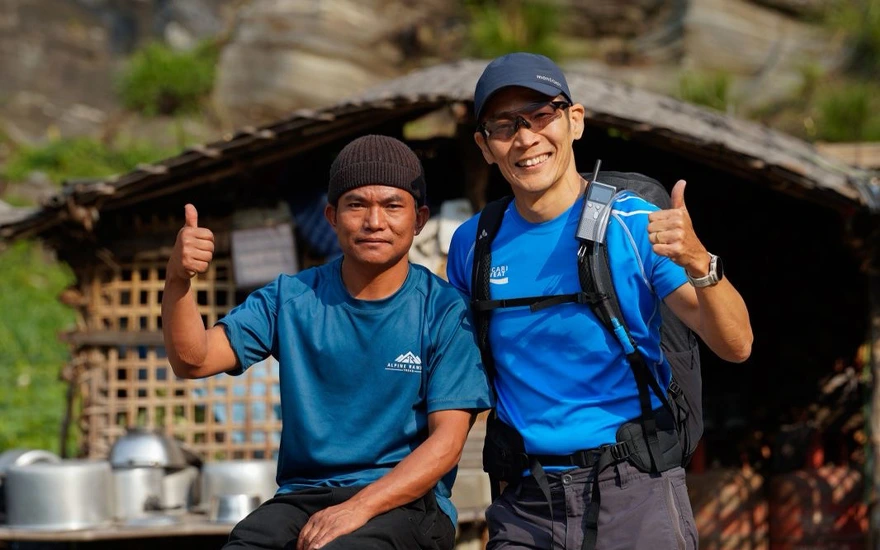
Having a licensed guide is a lawful requirement for the Manslu Region. Since it is a restricted area, trekkers are not permitted to trek solo. Hiring a porter, however, is optional, but if you are going through an agency, the package might already include both guide and porter costs. So, it is important to communicate with your agency regarding the porter hiring, whether if the cost is included or excluded from the package.
The average cost for a guide and porter for the Manaslu Circuit Trek is listed below:
Trekking Guide Cost: $30 – $35 / day (Manaslu specialists or female-led guides can sometimes trend on the higher end, $35 – $40)
Porter Cost: $20 – $25 / day. One porter usually carries up to 18–25 kg and can be shared between two trekkers.
Tips: Tips are an expected part of the trek for both porters and guides. While there isn’t a set amount, it is generally expected that at least 20% of the total package cost for guides and 10% for the porters be given at the end of the trek.
Frequently Asked Questions (FAQs) about the Manaslu Circuit Trek Cost
1. How much does the Manaslu Circuit Trek cost per person?
The Manaslu Circuit Trek cost per person varies with the itinerary, group size, transport, meal plan, and level of service. A shared group package is usually more affordable than a private trek with a porter and private jeep.
2. Why do Manaslu Circuit Trek prices vary between agencies?
Not every package includes the same services. Some prices cover permits, meals, accommodation, guides, porters, transport, and Kathmandu hotels, while others include only basic trekking arrangements. Always compare the inclusions and exclusions, not just the advertised price.
3. Is the Manaslu Circuit Trek more expensive in autumn?
The Restricted Area Permit is more expensive from September to November. It costs USD 100 for the first seven days and USD 15 for each additional day. From December to August, the fee is USD 75 for the first seven days and USD 10 for each extra day.
4. Are all three Manaslu trekking permits included in the package price?
Most full-service packages include the Restricted Area Permit, MCAP, and ACAP. However, inclusions differ between trekking companies, so confirm this before booking.
5. Does the Manaslu Circuit Trek require an ACAP permit?
Yes, the classic route enters the Annapurna Conservation Area after crossing Larkya La Pass and continuing towards Dharapani. Therefore, both MCAP and ACAP are normally required.
6. How much do MCAP and ACAP cost?
For foreign nationals, the Manaslu Conservation Area Permit and Annapurna Conservation Area Permit currently cost NPR 3,000 each. The fee for SAARC nationals is NPR 1,000 for each conservation area.
7. Can a solo traveler reduce the Manaslu Circuit Trek cost?
A solo traveler can join a scheduled group departure to share guide and transportation expenses. This is often more affordable than arranging a fully private trek.
8. Is food included in the Manaslu Circuit Trek price?
That depends on the package. Full-board packages usually include breakfast, lunch, and dinner during the trek, while lower-priced options may require travelers to pay for meals separately.
9. How much cash should I carry on the Manaslu Circuit Trek?
The amount depends on what your package includes. Even with a full-board trek, carry enough Nepalese rupees for drinking water, hot showers, charging, Wi-Fi, snacks, tips, and unexpected expenses, as ATM access is very limited along the route.
10. Are charging, Wi-Fi, and hot showers included in teahouse rooms?
These services are usually charged separately. Prices often rise in higher and more remote villages, so they should be included in your personal **Manaslu trek budget**.
11. Is hiring a porter worth the additional cost?
A porter is optional, but the service can make the trek more comfortable by reducing the weight you carry. It can be particularly helpful on long walking days and while crossing the 5,106-meter Larkya La Pass.
12. Does a shorter itinerary make the Manaslu Circuit Trek cheaper?
A shorter itinerary may reduce spending on food, accommodation, and staff services. However, removing important acclimatization or rest days simply to lower the Manaslu Circuit Trek price is not recommended.
13. Is a private jeep worth the extra cost?
A private jeep offers more flexibility, space, and convenience than a public bus or shared vehicle. It can provide good value for families or larger groups because the total cost is divided among several travelers.
14. Should I budget for delays during the trek?
Yes. Keep a contingency fund for additional meals, accommodation, transportation, or itinerary changes caused by weather, road conditions, illness, or other unexpected situations.
15. Are guide and porter tips included in the package cost?
Tips are generally not included unless clearly mentioned in the package. They are voluntary and normally given at the end of the trek based on the service received.
16. Is trekking gear rental included in the package?
Basic rental items may be included in some packages, while others charge separately. Check whether sleeping bags, down jackets, duffel bags, and trekking poles are provided.
17. Does the Manaslu Circuit Trek price include airport transfers?
Airport transfers are often included in full packages but may be excluded from cheaper trekking-only options. Read the package details carefully.
18. Are Kathmandu hotel nights included in the total cost?
Some packages include hotel nights before and after the trek, while others begin from the trailhead. This can create a noticeable difference between two quotations.
19. Should I exchange all my money in Kathmandu?
It is usually easier to exchange money in Kathmandu before leaving. Remote villages may have limited exchange facilities and less favorable rates.
20. Is an emergency helicopter evacuation included in the trek price?
No, the helicopter evacuation is normally covered through suitable travel insurance, not the standard trekking package.