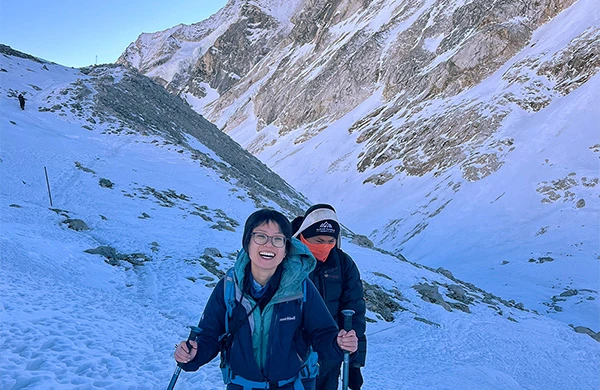
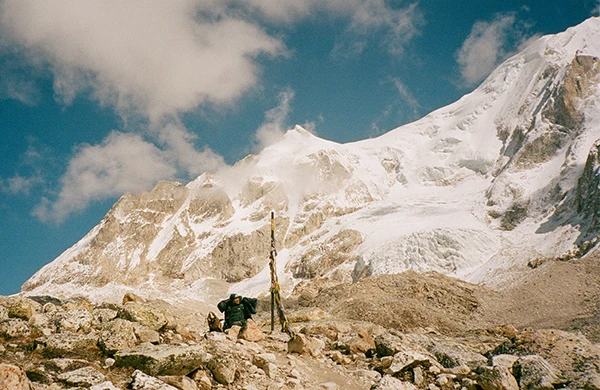
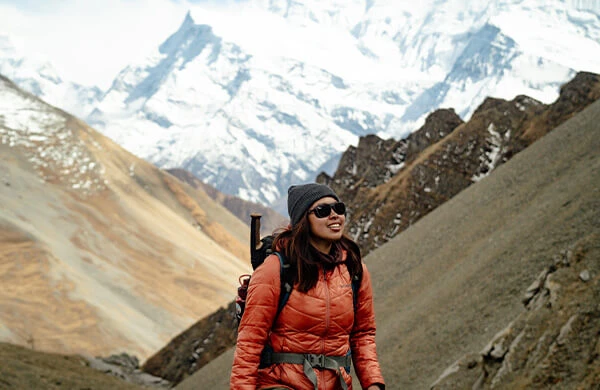
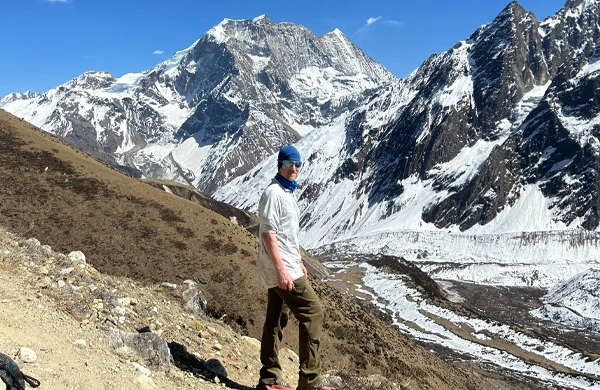
Long walking days, rough mountain trails, colder conditions, and the final crossing of Larkya La Pass all contribute to the difficulty. So, for many trekkers, the real test is not technical climbing but maintaining steady energy and focus over several days in a remote Himalayan environment.
So how tough is the Manaslu Circuit trek? It is generally considered a moderate-to-difficult high-altitude trek. This route is suitable for trekkers with good basic fitness, adequate preparation and time for acclimatization. Previous trekking experience is advantageous but not always necessary if the itinerary is well-paced and the trek is supported by an experienced guide.
This Manaslu Circuit Trek difficulty guide covers altitude, walking hours, trail conditions, fitness level, the difficulty of the Larkya La Pass, and what you need to prepare for the trek. It will also help you know if the trek is suitable for beginners and how choosing the right itinerary can make the experience safer and more manageable.
Manaslu Circuit Trek Difficulty at a Glance
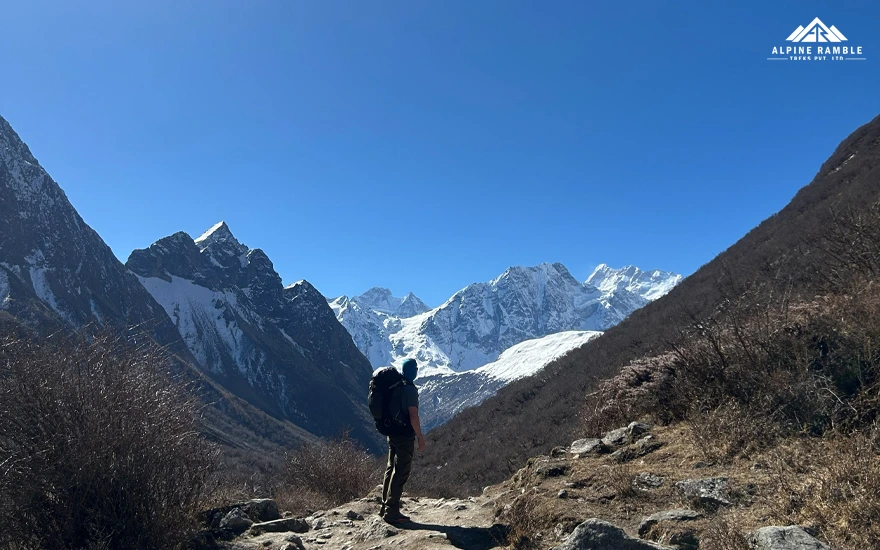
As it has already been established, the difficulty of the Manaslu Circuit Trek can range from moderate to challenging. While it does not require technical climbing knowledge, it requires a basic level of fitness enough to endure hours of hiking every day, gain in altitude, and most of all, be away from the comfort zone for the entire trek.
| Difficulty factor |
What to expect |
| Overall difficulty |
Moderate to challenging |
| Highest point |
Larkya La Pass at approximately 5,106 metres |
| Average walking time |
Around 5 to 7 hours per day |
| Hardest day |
Crossing Larkya La Pass |
| Trail conditions |
Rocky paths, steep climbs, descents, suspension bridges, and uneven terrain |
| Main altitude challenge |
Sleeping and walking above 3,500 metres for several days |
| Technical climbing |
Not normally required |
| Fitness level |
Good stamina, leg strength, and endurance are recommended |
| Previous trekking experience |
Helpful, but not essential with proper preparation |
| Beginner suitability |
Possible for well-prepared beginners on a properly paced itinerary |
| Accommodation |
Basic teahouses, especially at higher elevations |
| Main difficulty factors |
Altitude, consecutive walking days, cold weather, remoteness, and the high-pass crossing |
In simple terms, the Manaslu Circuit Trek is more demanding than a regular low-altitude hike, but it remains achievable for prepared trekkers. A gradual itinerary, proper acclimatization, suitable training, and experienced guide support can make the trek much more manageable.
What Makes the Manaslu Circuit Trek Difficult?
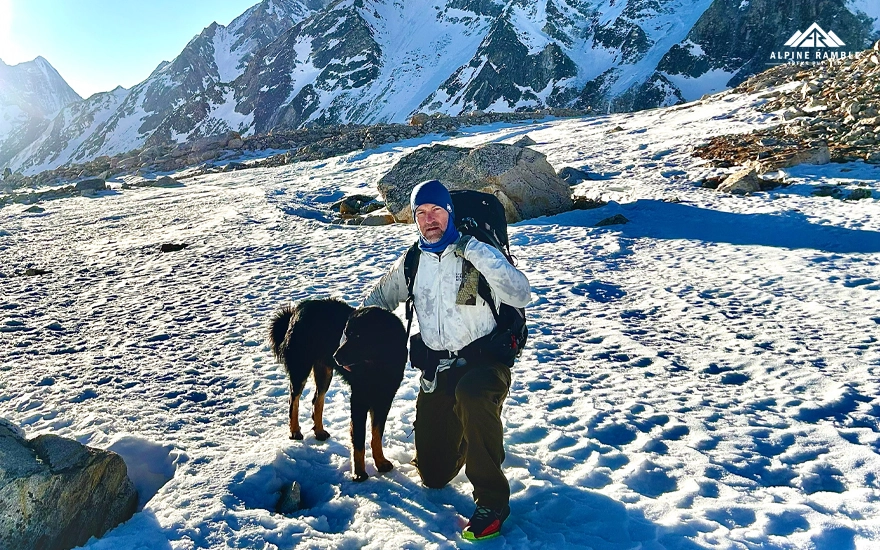
Doing the Manaslu Circuit Trek means making sure you are well versed in the difficulty and the challenges that come with such a trekking destination. From the uphill trails leading through the dense alpine forest to the rugged terrain around the Larkya La Pass, every day presents a new adventure.
Knowing these factors ahead of time will make it easier to select the right itinerary, prepare accordingly and approach the trek at a comfortable pace.
High Altitude and Thinner Air
Altitude sickness is one of the most common forms of difficulty faced by trekkers not only during the Manaslu Circuit Trek but also during any other high-altitude trekking from the Tsum Valley Trek to the Everest Base Camp Trek. The higher you ascend, the thinner the air gets.
The Manalsu Circuit Trek begins at a relatively low elevation, even lower than Kathmandu, which is Machhakhola at 869 meters. The trail then gradually climbs through Namrung, Lho, Samagaon, Samdo, and Dharamsala before reaching Larkya La Pass at approximately 5,106 meters.
Once the altitude crosses the 2500-meter mark, the oxygen level starts to decline, and the further you climb, the more impact it has on the physical body. Walking may feel slower, simple uphill sections can require more effort, and some trekkers may experience changes in sleep, appetite, or energy. Physical fitness can make walking easier, but it does not guarantee protection from altitude-related problems.
A gradual itinerary, an acclimatization day in Samagaon, proper hydration, steady pacing, and honest communication with your guide all play an important role in managing the altitude.
Crossing Larkya La Pass
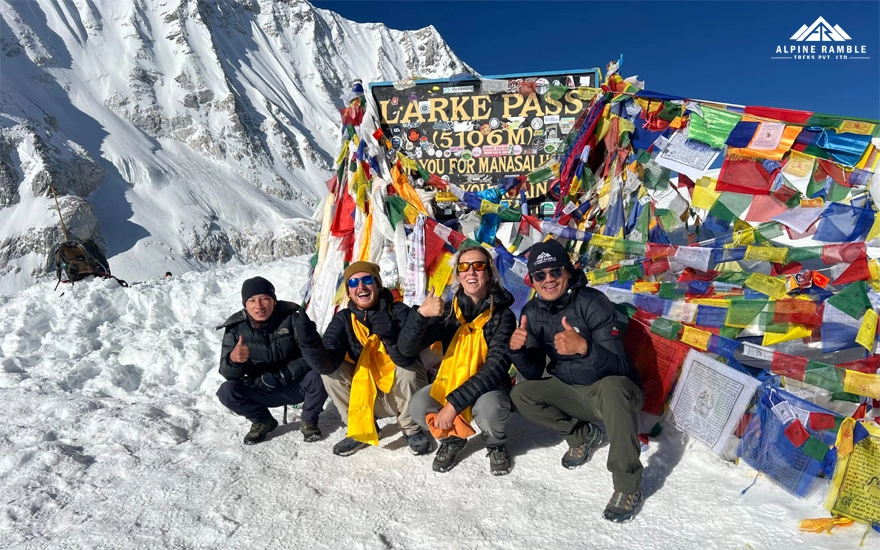
Crossing the Larkya La Pass, which is at an altitude of 5,106 meters, is arguably one of the most challenging yet one of the biggest highlights of the Manaslu Circuit Trek. This is because crossing the pass is not like a regular day's trek but a time-bound, demanding hike that requires the trekkers to wake up early even before the sunrise and cross the pass before midday to avoid bad weather and intense wind.
The technicality of the path is not what makes it a bit challenging, but the combination of high altitude, cold temperatures, wind, snow or ice, and several hours. These conditions mostly depend on the season and recent weather.
The best way to complete the pass smoothly is by maintaining a slow and consistent pace, making sure to manage the crossing better than those who start too quickly. Warm layers, suitable footwear, trekking poles, and support from an experienced guide can also make the Larkya La crossing more manageable.
Long and Consecutive Walking Days
There is one thing you can definitely expect to do every day without fail, and that is hours of walking. It comes with the territory, as you are doing a "trek." And Manaslu Circuit Trek is one of the more remote trekking experiences in Nepal. Being a relatively new and less traveled destination, the trails are more rugged and natural compared to other commercial and more walked destinations.
During the Manaslu Circuit Trek, you are expected on average to walk anywhere from 6 to 8 hours per day. As the trek continues, tiredness can build in the legs, knees, and shoulders. Long ascents, repeated descents, and limited recovery time can make ordinary sections feel harder later in the journey.
Training with regular hikes, stairs, or uphill walking before arriving in Nepal can help develop the endurance needed for the route. Hiring a porter can also reduce physical strain by allowing you to walk with only a light daypack.
Rugged and Changing Trail Conditions
Since the Manaslu Circuit Trek is a relatively new trail, the path hasn't been as well maintained as other commercial trekking trails. Which is one of the attracting points of this trek, as it gives an authentic rural experience.
And the conditions of the trail, of course, depend on the season and weather as well; parts of the route may be dusty and dry, while others can become muddy or slippery after rain. At higher elevations, snow and ice may affect the trail, particularly near Dharamsala and Larkya La Pass.
While these conditions are not asking for technical climbing skills, they definitely set the tone for how the rest of the trek is going to go and demand good balance, careful foot placement, and suitable trekking footwear. Trekking poles can be especially helpful during steep descents and on uneven ground.
Remote Location and Limited Facilities
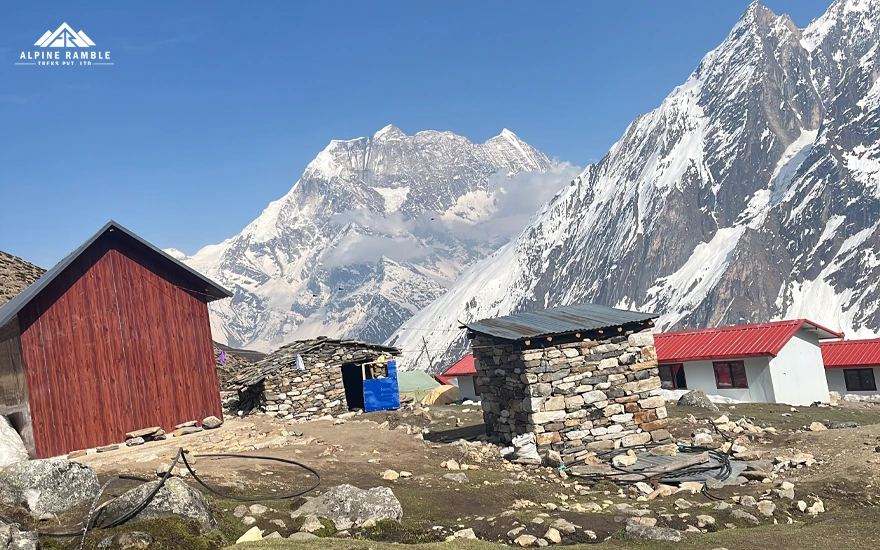
One of the selling points of the Manaslu Circuit Trek is that it is located in one of the most rural parts of Nepal. The development facilities are just now reaching the lower regions, but the higher regions remain untouched and still hold the same authenticity in the lifestyle and culture of the local people.
While the remoteness does bring a unique experience to the forefront, it also often adds to the difficulty, as finding many facilities and amenities during the trek becomes hard. Villages become smaller as the route gains altitude, and teahouse facilities are generally simpler than those found on busier trekking routes such as Everest Base Camp.
For accommodations, the rooms are small and on a sharing basis, the food menu is limited, mobile coverage can be inconsistent, and access to electricity, hot showers, and charging may become more limited or expensive. Immediate medical assistance is also not available in every village. This is something to keep in mind before deciding on the trek.
Before planning the trek, you need to make sure to hire a licensed local guide who helps manage permits, accommodation, route conditions, communication, and unexpected changes during the trek. And above all, be ready for days of simple mountain accommodation and fewer modern comforts.
Unpredictable Mountain Weather
The weather in the mountains is very unpredictable. While certain times of the year do have more weather stability, that is something that cannot be guaranteed anymore. Even when the mornings are clear, the day could be followed by cloud, wind, rain, snow, or a noticeable drop in temperature later in the day.
The temperature does drop significantly the more you ascend higher, especially around Samdo, Dharamsala, and Larkya La Pass, so packing warm clothes is an absolute requirement. Rain can make lower trails muddy and slippery, while snowfall may slow the crossing or temporarily make the pass difficult to access.
The seasons of spring and autumn are generally known to have more stable weather with moderate temperatures, which have been the popular choice among the trekkers so far. But again, stable weather is not something that can be 100% guaranteed in the Himalayas. Packing suitable layers, waterproof clothing, warm gloves, and reliable footwear helps trekkers adjust to changing conditions without unnecessary discomfort.
How Hard Is the Larkya La Pass Crossing on the Manaslu Circuit Trek?
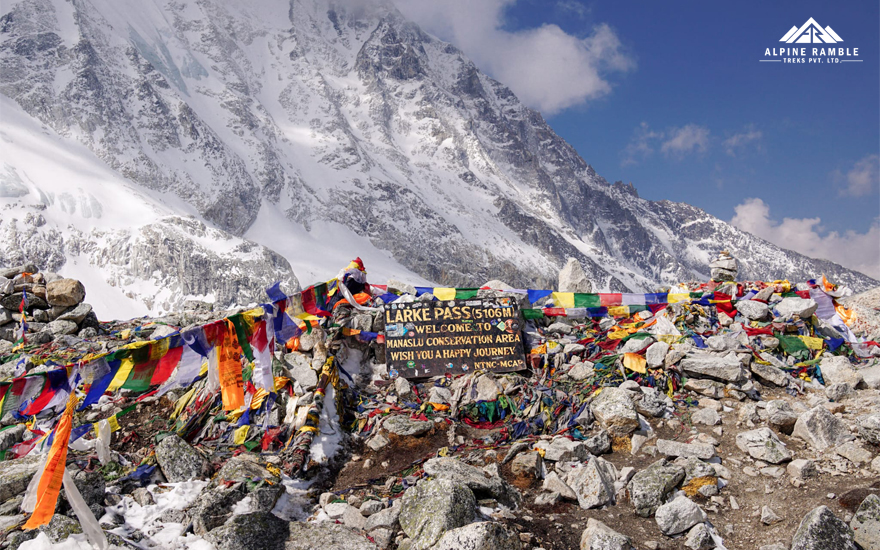
Crossing the Larkya La Pass during the Manaslu Circuit Trek is generally considered the hardest day on the itinerary. Given the altitude of 5,106 meters, it requires not only time and physical stamina but also a great deal of mental strength. The challenge comes from the high altitude, cold conditions, early start, long walking hours, and the extended descent to Bimthang.
The trek to conquer the Larkya La begins very early in the morning from Dharmasala, even before sunrise. The trail then climbs gradually with rocky and often frozen terrain before reaching Larkya La Pass. The altitude of Larkya La is definitely not something to take lightly. And because the air is noticeably thinner at this elevation, even a steady ascent can feel demanding, and regular breaks may be needed.
The condition of the trail is also highly dependent on the season. In seasons where the weather remains relatively stable like in spring and autumn, crossing the high pass might be challenging but easily manageable. But during winter, when snowfall is likely, parts of the route may become icy or harder to follow, and trekking poles or microspikes may be useful depending on the guide’s assessment.
The descent after summiting the Larkya La is also as demanding as ascending it. The route is downhill and very long; it puts pressure on legs, especially the knees, after a few hours of hiking. Good balance, controlled pacing, proper footwear, and enough energy for the final section are important.
If you are prepared both physically and mentally, well acclimatized to the altitude, in suitable clothing, and with an experienced guide, you can complete it safely under favorable conditions. Instead of speed, a slow, steady pace, an early start, and following the guide’s advice are what make the crossing much more manageable and possible.
Is Altitude the Biggest Challenge on the Manaslu Circuit?
Altitude remains one of the biggest challenges on the Manaslu Circuit Trek, especially when the altitude crosses the 3000-meter mark. Places like Samdo, Dharamsala, and Larkya La Pass are some of the highest places where common symptoms of altitude sickness can be noticed. However, it is not the only challenge, as cold weather, long walking days, rugged trails, and accumulated fatigue also make the trek demanding.
Key High-Altitude Overnight Stops
Namrung, 2,630 m: The trail begins to gain altitude more steadily.
Lho, 3,180 m: Trekkers spend their first night above 3,000 meters.
Samagaon, 3,530 m: The main acclimatization stop before moving higher.
Samdo, 3,875 m: Thinner air and colder temperatures become more noticeable.
Dharamsala, 4,460 m: The highest overnight stop before crossing Larkya La.
Bimthang, 3,590 m: A lower sleeping point after completing the pass crossing.
Why Samagaon Matters for Acclimatization
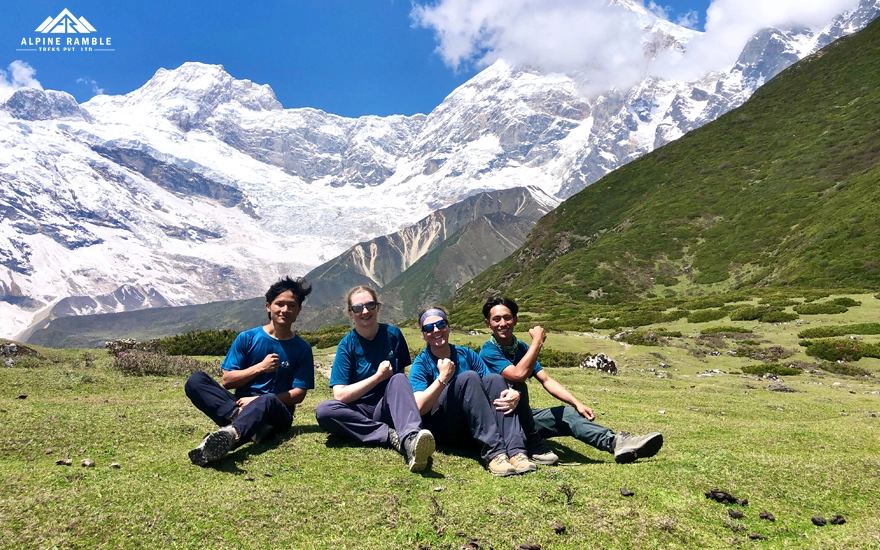
Samagaon is a standard location for acclimatization during the Manaslu Circuit Trek. At an elevation of 3,530 meters, Samagaon is the best place to let your body adjust to the altitude before reaching Samdo and Dharmasla.
It is also popular for side hike locations such as Birendra Lake, Pungyen Gompa, and the trail toward Manaslu Base Camp. Here the trekkers can practice a short acclimatization hike and return to sleep lower. The rest day is also very helpful to make your body relax and reduce the accumulated fatigue before the higher sections of the trek begin.
Spending enough time in Samagaon also allows the guide to observe how each person is responding before the group continues higher. The extra time can make the following stages towards Samdo, Dharamsala, and Larkya La Pass more manageable.
Altitude Symptoms Should Never Be Ignored
It is understandable wanting to complete the trek at all costs, as a lot of time, effort, and money have gone into it, but one should always be careful when it comes to high altitudes. Here are a few things to keep in mind when doing the high-altitude trek in the Manaslu Region:
- Common early symptoms include headache, nausea, dizziness, unusual fatigue, and poor sleep.
- Trekkers should inform their guide as soon as they begin feeling unwell.
- Symptoms should never be hidden to avoid delaying the group.
- Continuing higher with worsening symptoms can be dangerous.
- Resting, delaying the ascent, or descending may be necessary.
- Walking slowly, eating properly, staying hydrated, and communicating honestly are essential.
- Reaching Larkya La Pass should never be prioritized over personal safety.
How Difficult Is the Manaslu Circuit Compared with Other Treks?
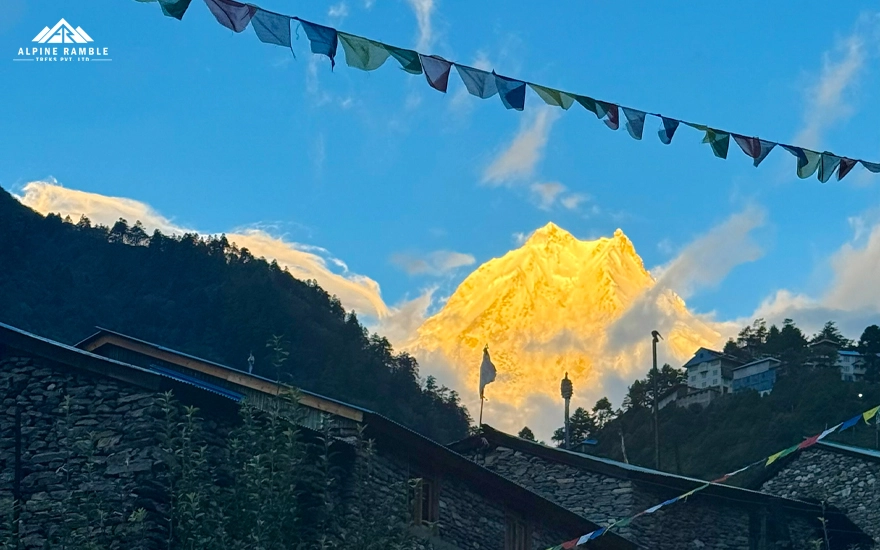
The difficulty of the Manaslu Circuit Trek compared to other treks depends on multiple criteria such as accessibility, itinerary, guide support, and even personal fitness. The Manaslu Circuit Trek is generally similar in overall difficulty to the Annapurna Circuit and Everest Base Camp Trek.
Manaslu Circuit Trek vs Annapurna Circuit Trek
- Both routes include a high mountain pass and several days of altitude gain.
- Thorong La is higher than Larkya La, but both crossings can be physically demanding.
- The Manaslu Circuit is generally more remote and has fewer teahouse facilities.
- The Annapurna Circuit usually offers better road access, more accommodation choices, and busier trails.
- Manaslu may feel harder for trekkers who are uncomfortable with isolation and basic services.
- Annapurna may feel harder because of the higher pass and the steep approach to Thorong La.
Manaslu Circuit Trek vs Everest Base Camp Trek
- Both treks involve several nights above 3,500 meters.
- Everest Base Camp reaches a higher viewpoint at Kala Patthar but does not involve crossing a major high pass on the standard route.
- Manaslu has more rugged and quieter trails, with fewer facilities in the upper region.
- Everest Base Camp has more teahouses, shops, communication access, and emergency support.
- Manaslu can feel more difficult because of its remoteness and the long Larkya La crossing day.
- Everest Base Camp can feel equally demanding because trekkers remain at high altitude for longer and face repeated climbs and descents.
Is the Manaslu Circuit Trek Suitable for Beginners?
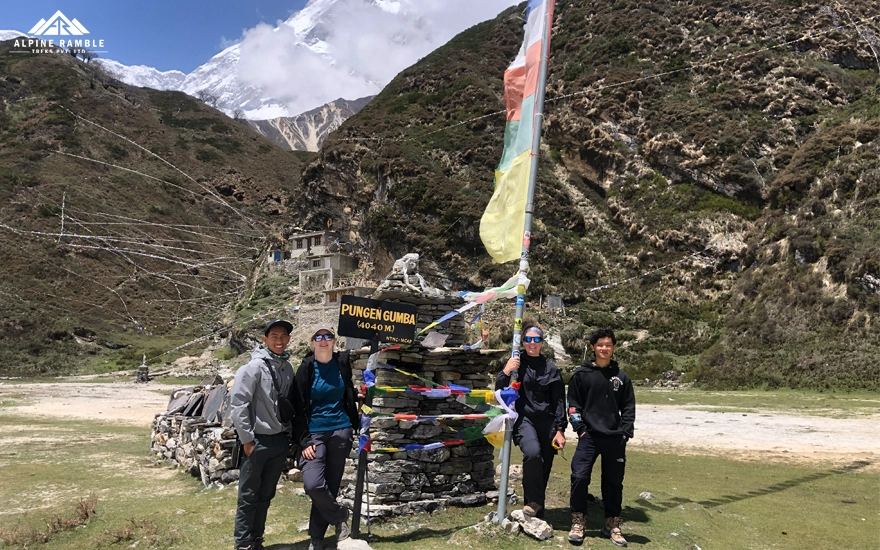
Yes, the Manaslu Circuit Trek is suitable for beginner trekkers, but it should not be treated as a light and easy trek. As mentioned above, the trek includes long walking hours, high altitude, remote terrain, and the crossing of Larkya La Pass. Therefore, if you are a beginner, good preparation is required before attempting to do the Manaslu Circuit Trek.
Here is what a beginner trekker should be prepared for before starting the Manaslu Circuit Trek:
- Walk for five to seven hours on consecutive days.
- Manage steep climbs, descents, and uneven trails.
- Train regularly before the trek.
- Carry a light daypack comfortably.
- Adjust to basic teahouse accommodation.
- Follow a slow pace and listen to their guide.
- Allow enough time for acclimatization.
There are different variations of itineraries, from shorter days such as the Manaslu Circuit 10 days or Manaslu Circuit 12 Days trek to also the standard 14 days Manaslu Circuit Trek, and for beginners the 14 days trek is the most suitable one. You also have the option to combine Manaslu Circuit Trek with Tsum Valley if you prefer a longer trekking experience in the Manaslu Region. But ultimately, the 14 day itinerary offers a more balanced pace and better acclimatization, which enhances the success rate of the trek.
What Fitness Level Do You Need for the Manaslu Circuit Trek?
The Manaslu Circuit Trek does not require you to have an athlete-level of fitness; however, you should have the following:
Cardiovascular Endurance
Cardiovascular Endurance Cardiovascular endurance helps your body keep working on long walking days, particularly on uphill sections and at higher elevations when breathing may feel harder. Good stamina also helps you recover better from days out trekking.
Leg and Core Strength
Strong legs are important for repeated climbs, stone steps, and long descents. Core strength helps you stay stable on uneven ground and supports your posture while carrying a daypack.
Balance and Downhill Control
Good balance is needed for rocky paths, narrow trails, suspension bridges, and slippery sections. Downhill control is especially important after Larkya La Pass, where tired legs can make the long descent more demanding.
Mental Preparation
Mental preparation helps you manage early starts, cold mornings, basic teahouses, changing weather, and days that feel harder than expected. Patience and a steady pace are often just as important as physical strength on a remote trek like Manaslu.
How to Prepare for the Manaslu Circuit Trek
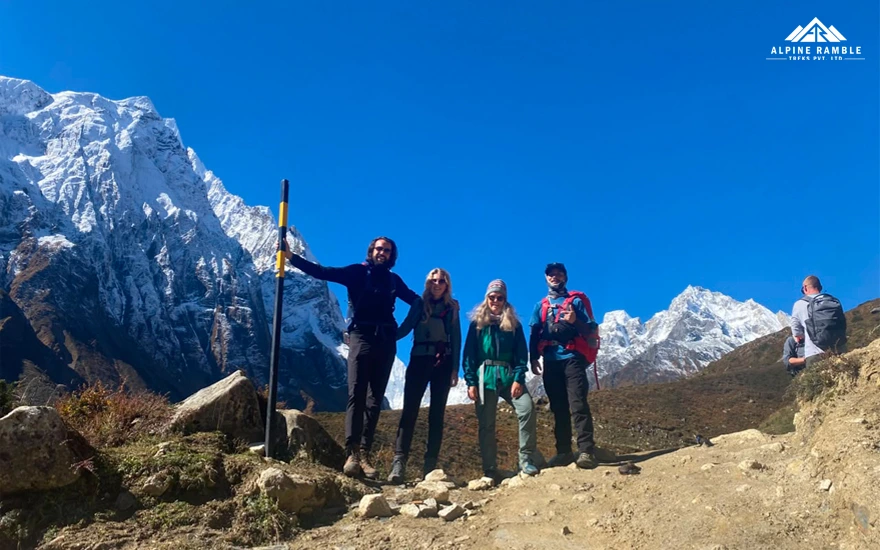
Good and early preparation can help make your journey of the Manaslu Circuit Trek more organized, comfortable, and easier to manage. The goal is not only to improve fitness but also to prepare for altitude, changing weather, remote conditions, and several consecutive days of walking. And here’s how you can prepare for your Manaslu Circuit Trek if you are planning for one in the near future:
Start Training Early
The main reason for starting the early training is that it allows your body to build up the required stamina and energy for the Manaslu Trek. It also reduces the risk of overtraining or trying to prepare too quickly just before the trek.
Complete Practice Hikes
Instead of running on a treadmill in the gym, going on an actual hike to your local mountain or outdoor trail is the best way to practice for the Manaslu Circuit. These practice hikes help you understand how your body responds to long hours of walking, uphill sections, descents, and repeated trekking days and are one of the most realistic experiences.
Train with Your Trekking Footwear and Daypack
Many people tend to buy their trekking footwear just a few days before the trek and then use the new shoes during the trek, which can lead to many problems such as blisters, tightness and overall discomfort. A well broken in shoes allows you better movement and comfortable experience. Training with a backpack also allows your body to adjust to carrying weight while walking.
Choose an Itinerary with Sensible Acclimatization
When trekking at high altitude, rushing always leads to problems. So, you need to be aware of the type of itinerary you choose. Your itinerary should always be focused on making your trek safe and comfortable instead of completing it fast. A well-paced itinerary will give you ample time to acclimatize at higher elevations.
Pack for Changing Conditions
Making a well-rounded packing list that prepares you for any scenario is highly recommended. As the mountain weather remains unpredictable, rain and snow can show up like an uninvited guest, so it is better to be prepared than to be shocked at the situation. Proper layers and weather protection help you remain comfortable without carrying unnecessary weight.
Hire an Experienced Guide and Porter
A local experienced guide can help you with navigation, permits, pacing, accommodation, weather decisions, and altitude awareness. It is, in fact, mandatory to have a guide with you, as the Manaslu Circuit Trek, which falls in the Manslu Conservation Area, is a known restricted area and cannot be entered without authorization. Having a porter is not mandatory but can reduce physical strain by carrying your main luggage, allowing you to walk with a lighter daypack.
Arrange Suitable Travel Insurance
Travel insurance should cover high altitude trekking & emergency evacuation. This is crucial considering the remoteness of the Manaslu region where immediate medical assistance may not always be available.
Blog Summary: How Hard Is the Manaslu Circuit Trek?
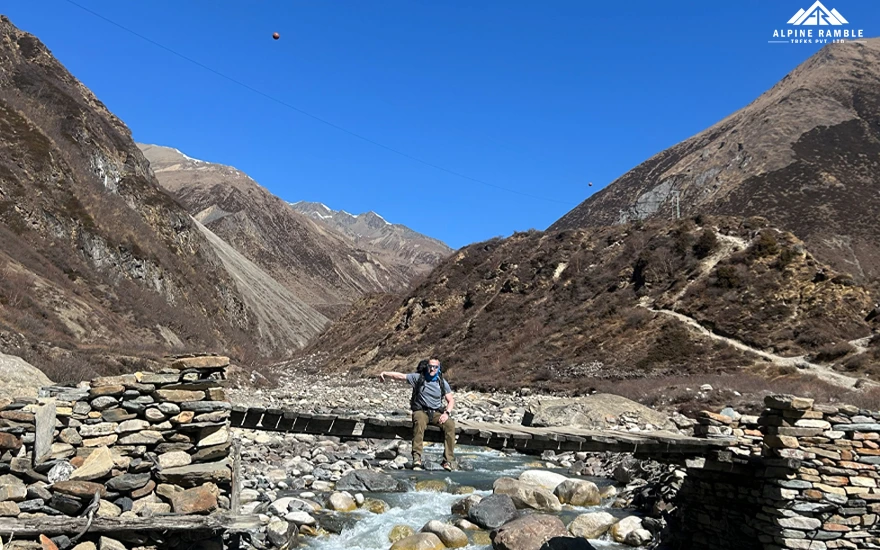
The Manaslu Circuit Trek difficulty is best described as moderate to challenging. To reiterate, it is not a technical climbing route but requires good stamina, patience and the ability to be able to walk for several hours over consecutive days. The difficulty is mainly due to the altitude, remoteness of the trail, basic facilities and crossing of the Larkya La Pass at an elevation of 5,106 meters.
The most difficult part for most trekkers is the altitude and the long walking days as well as the last approach to the Larkya La Pass. However, the route becomes much easier if you follow a slow pace, give enough time for acclimatization, and prepare your body before the trek. You don't have to be an expert mountaineer but you do need to be confident walking uphill, over rough terrain and staying in basic mountain accommodation.
The Manaslu Circuit Trek is good for both well-prepared beginners and experienced trekkers as well. The most important thing is to pick the right itinerary, listen to your body, and resist the temptation to rush at higher elevations. It is generally safer and more enjoyable to take it slower and more consistently rather than trying to cover more distance in a lesser amount of time. It is also the best way to avoid getting altitude sickness and any otther physical injury during the trek.
The trek needs to be taken seriously, but it shouldn't seem out of reach. With the right preparation, proper trekking gear, an experienced guide and a well-planned itinerary, however, the Manaslu Circuit can be within reach and highly rewarding. The quiet trails, mountain villages, changing landscapes and the sense of completing the Larkya La Pass crossing make it worth the effort.
The 14-day Manaslu Circuit Trek is ideal for trekkers who enjoy a moderate pace, giving sufficient time to appreciate the route and allowing the body to acclimatize to the altitude over a period.
Manaslu Circuit Trek Difficulty FAQs
1. What is the most tiring part of the Manaslu Circuit Trek?
The most tiring section is usually the Larkya La Pass crossing because it involves an early start, high altitude, cold conditions, and a long descent to Bimthang.
2. How much weight should I carry during the trek?
Trekkers usually carry a small daypack with water, warm layers, snacks, and personal items. Keeping the pack light helps reduce fatigue on long uphill and downhill sections.
3. Do I need a porter for the Manaslu Circuit Trek?
A porter is not compulsory, but hiring one can make the trek more comfortable. It allows you to conserve energy and carry only the essentials in your daypack.
4. Are there many steep climbs on the Manaslu Circuit?
Yes, the route includes regular uphill sections, stone steps, and gradual climbs. Most are manageable when taken slowly, although they can feel harder as the altitude increases.
5. Are the suspension bridges difficult to cross?
Most suspension bridges are secure and commonly used by trekkers and local people. Those uncomfortable with heights may need extra time, especially on longer or higher bridges.
6. Is the long descent from Larkya La difficult on the knees?
The descent can place pressure on the knees, particularly after several hours of walking. Trekking poles, controlled steps, and a steady pace can make it easier.
7. How difficult is sleeping at high altitude?
Some trekkers experience lighter sleep, frequent waking, or reduced comfort at higher elevations. Cold rooms and thinner air may also affect the quality of rest.
8. Will basic teahouse facilities make the trek harder?
Basic rooms, shared toilets, limited heating, and simple washing facilities can require adjustment. Trekkers who arrive with realistic expectations generally manage these conditions well.
9. Is the Manaslu Circuit difficult for people who are afraid of heights?
Some sections include high suspension bridges, narrow trails, and steep slopes. The path is manageable, but people with a strong fear of heights may find certain sections uncomfortable.
10. Can bad weather add extra trekking days?
Heavy rain, snow, landslides, or unsafe pass conditions may slow the itinerary. Keeping some flexibility in your travel schedule is useful and recommended when trekking in a remote mountain region.
11. Is the Manaslu Circuit harder with a heavy backpack?
Yes. Carrying unnecessary weight increases strain on the shoulders, back, knees, and legs. Packing carefully or using porter support can make daily walking much more manageable. Hiring a porter can also be a big help.
12. How quickly should I walk on the Manaslu Circuit Trek?
A slow and steady pace is better than walking quickly, especially above 3,000 meters. The goal is to conserve energy and allow the body to adjust gradually.
13. Are rest days enough to recover from the long walks?
Rest and acclimatization days help, but recovery also depends on sleep, food, hydration, fitness, and personal pace. Avoiding unnecessary exhaustion during the early days is important.
14. Does the trek become easier after crossing Larkya La Pass?
The route gradually descends after Larkya La, so altitude becomes less challenging. However, tired legs and the long descent mean the trek still requires care and steady walking.
15. What can make the Manaslu Circuit Trek feel harder than expected?
Starting too quickly, carrying excess weight, poor sleep, limited food intake, cold weather, and underestimating consecutive walking days can all increase the difficulty.