An unforgettable journey that will not only be culturally rich with a view of very candid moments of the Sherpa communities and their daily lifestyle but also create a profound spiritual experience by visiting four main monasteries of the Khumbu. And a bonus side trip to the Ama Dablam Base Camp gives the extra kick of adventure along with deep immersion in the culture and nature of the Everest region.
This cultural trek in Khumbu is a spiritual journey through traditional Sherpa villages, sacred monasteries, and living Himalayan landscapes, all set beneath the watchful presence of Ama Dablam. Designed for travelers who want a deeper and more immersive experience of the Sherpa culture trek rather than covering a great distance to the base camp, the trek offers a balanced experience of walking, reflection, and authentic village encounters while still enjoying some of the most iconic scenery in Nepal.
A Cultural and Spiritual Journey in the Everest Region
The Everest Sherpa Culture and Monastery Trek takes you through a path full of adventurous, cultural, and spiritual journeys in the Khumbu region. When it comes to Everest, most people’s primary thought will always be the Everest Base Camp trek, but there are many other destinations that are equally as beautiful and adventurous.
It is totally understandable to want to reach the foothills of the world’s tallest peak, but if you are looking for a trek that offers culture, adventure, scenic mountain views, and interaction with the Sherpa community, then the Everest Sherpa Culture & Monastery Trek is the right choice for you.
The Everest region is well-known for its gigantic mountains, jaw-dropping views, and the strength of the Sherpas. However, with proper guidance, your trek to Khumbu can be significantly enhanced by choosing a well-rounded itinerary.
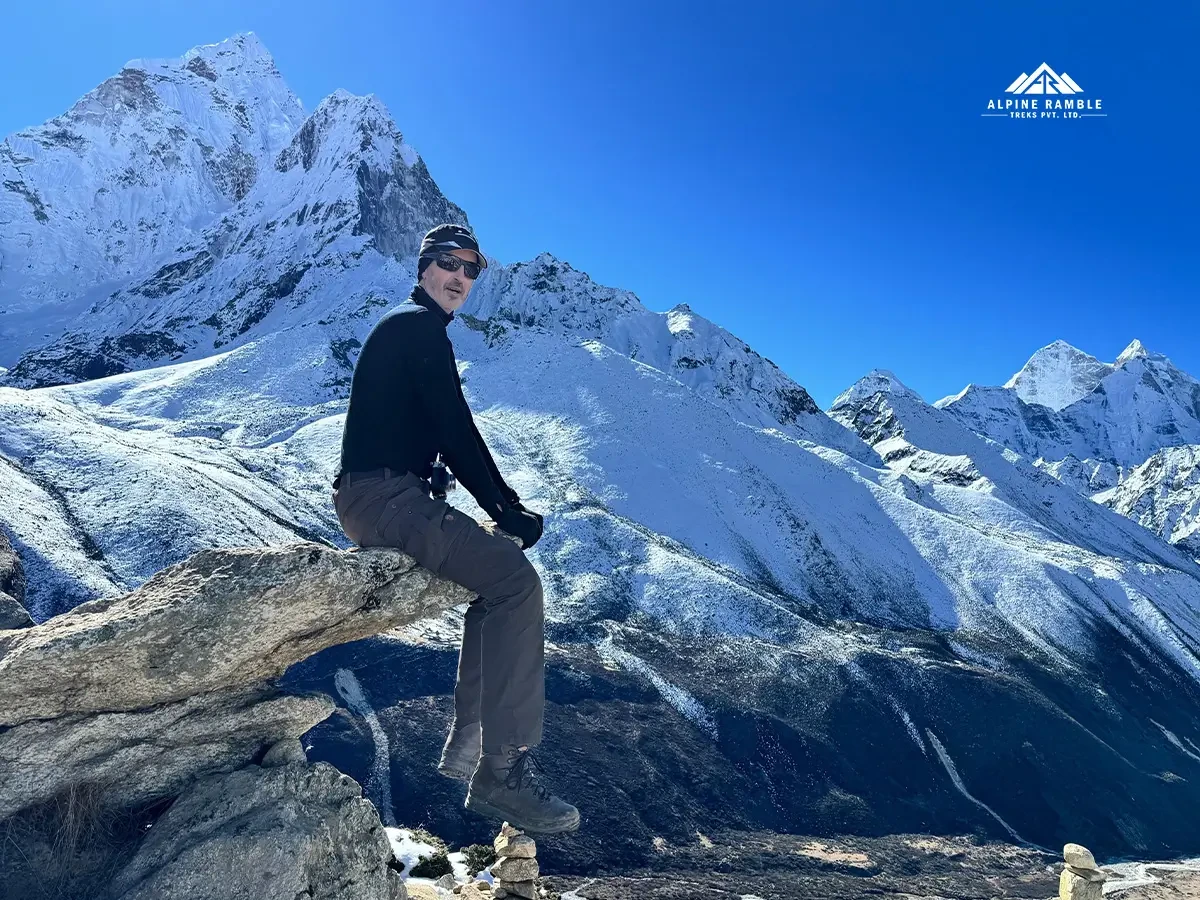
Take the Himalayan experience a step further and delve into the authenticity of the Sherpa culture, traditions, and spirituality. A cultural trek in the Everest region might be just what you need when you plan your visit to Nepal. And a bonus side trip to the Ama Dablam Base Camp, where you can view Mount Ama Dablam from the nearest point on the entire trek.
Trip Overview
The Everest Sherpa Culture and Monastery Trek takes you to the heart of the Himalaya, a journey that will be filled with adventure, cultural immersion, spiritual awakening and majestic views of the mountains right before your very eyes. A perfect getaway planned for people who are enthusiastic about learning the culture and traditions of the Sherpa communities.
Instead of chasing altitude goals, this trek invites you to slow down and connect with the living traditions of the Sherpa people, their monasteries, and the sacred landscapes that define life in the high Himalayas.
Following age-old village paths, the route passes through historic Sherpa settlements such as Namche Bazaar, Khumjung, Phortse, and Pangboche, where Tibetan Buddhism continues to shape everyday life. Along the way, trekkers visit some of the region’s most important spiritual centers, including Khumjung, Tengboche, Phortse, and Pangboche monasteries. The trails themselves feel like open-air sanctuaries, lined with prayer flags, mani walls, and chortens that quietly reflect centuries of faith and devotion.
One of the most meaningful moments of the trek is a respectful day visit to Ama Dablam Base Camp. Standing beneath one of the Himalayas’ most admired peaks offers more than dramatic scenery. For the Sherpa people, Ama Dablam is a sacred presence, believed to watch over the surrounding valleys. This visit is approached as a cultural and spiritual experience rather than a destination to conquer.
With a gentle trekking pace, gradual acclimatization, and comfortable teahouse accommodation, this itinerary is well suited for travelers seeking a deeper understanding of Sherpa culture, Himalayan Buddhism, and the spiritual heritage of the Everest region, all while enjoying some of Nepal’s most iconic mountain landscapes.
Why Choose the Everest Sherpa Culture and Monastery Trek?
When it comes to trekking in the Everest region, Instagram-postworthy views are often the main attraction. But when it comes to experiencing much more meaningful treks filled with cultural and spiritual experiences, this specific package of Everest Sherpa Culture and Monastery Trek is the best and right choice.
Unlike the classic Everest Base Camp route, this Everest trek focuses more on cultural immersion and the architectural excellence of the monasteries and takes you away from the busiest trails and into the quieter and locally travelled route. It is an Everest trek without Everest Base Camp. Whereas for the Everest Base Camp Trek, you will return from the same route, but for the Everest Sherpa Culture Trek, you will make a circuit instead.
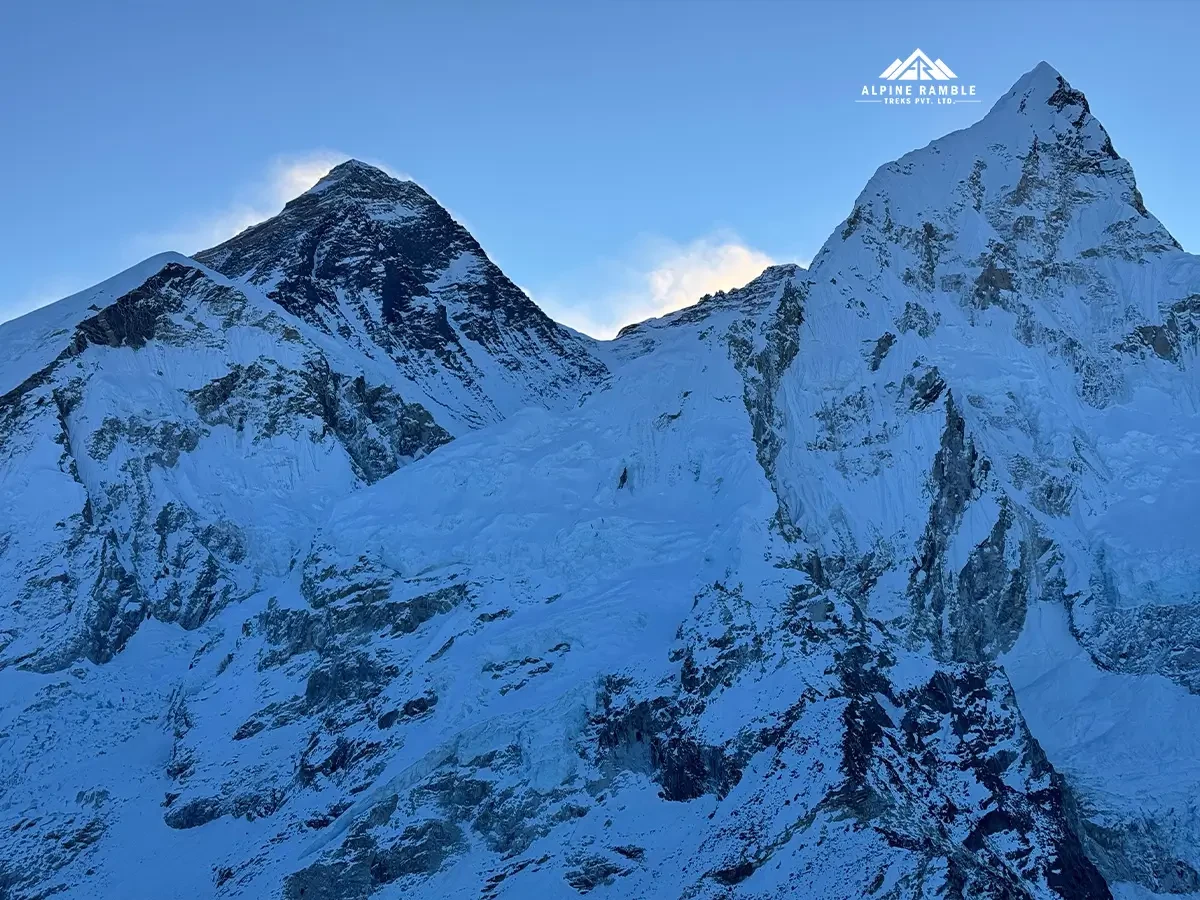
Villages like Khumjung and Phortse will be part of the trekking experience. And along with the cultural and spiritual experience, another highlight of this trek is the stellar views of the mountain landscapes, where the Ama Dablam Base Camp offers the closest perspective of Mount Ama Dablam. And along seeing Mount Ama Dablam, you will also not miss out on the magnificent view of the world’s tallest peak, Mount Everest along with other giants such as Lhotse, Nuptse, Kang Tega, etc.
From traditional Sherpa villages to spiritually rich monasteries, jaw-dropping views of mountains, an adventurous thrill, and most of all the warm Sherpa hospitality, choosing the Everest Sherpa Culture and Monastery Trek will open a plethora of experiences that you will remember for years to come. It's not only about the views but also the memories you will create within the span of a few days. An off-the-beaten-path Everest trek that gives you the Everest Monastery trek, the Sherpa culture trek, and a trek to the Ama Dablam Base Camp in the same package!
- What makes this trek special:
- A calmer alternative to the crowded EBC trail
- Walking through authentic Sherpa villages rather than trekking hub to hub
- Visits to important monasteries define this experience as a genuine Everest monastery trek.
- A relaxed pace that leaves room for exploration, reflection, and cultural exchange
Sherpa Culture and Daily Life in the Khumbu Region
The world has a big misunderstanding as to what the word “Sherpa” actually means. When many people hear the word "Sherpa," they envision mountain guides, but they are an ethnic group of communities who descended from Tibetan settlers and migrated to Nepal centuries ago; their name means "eastern people" (Shar 'east' + pa 'people').
While Sherpas are the backbone of mountaineering and are known for incredible mountaineering skills, adaptation to high altitudes, and serving as expert guides and porters for expeditions, they have their own community, culture, religion, and traditions they follow.
Their historical contribution in making the mountaineering and trekking industry boom in Nepal is highly recognized and appreciated throughout the world. The life of a Sherpa, however, differs from occupation to occupation. While most Sherpa men are engaged in tourism and trekking in some way, as porters or guides, most women actually run the teahouses.
Many are also engaged in animal husbandry and agriculture. On the trek you can witness mules and yaks being used for transporting goods up in the himalayas. Many fields used to grow vegetables, especially potatoes, in the lower regions, which are one of the main vegetables eaten by the communities.
The Sherpas have a strong sense of community and are very helpful to others and participate in many festivals, which not only help in preserving their culture and traditions but also in strengthening their bond as a community.
Monasteries of Khumbu Region on this Trek
The biggest motivation for this trek is going to be the number of monasteries you get to visit during this trek. The cultural and architectural influences that wrap around your mind will be a once-in-a-lifetime experience. The Everest Monastery Trek takes you to not one, not two, but four monasteries of the Khumbu valley.
This is a golden opportunity to get a deeper understanding of the Tibetan Buddhism and Himalayan culture of the Sherpas. The lore and myth behind every color of the prayer flag and every letter of the inscriptions. The monks and lamas meditating, praying and performing their daily pujas can be seen along with the local people practicing their faith.
The four monasteries that you will visit during the trek are
- Khunjung Monastery
- Phortse Monastery
- Pangboche Monastery
- Tengboche Monastery
Khumjung Monastery
Located in the Khumjung village, the Khumjung Monastery sits at an elevation of 3,790 meters, overlooking the stone Sherpa houses with views of Mount Everest and Ama Dablam. A 400 year old revered religious site that is very popular among trekkers as a part of acclimatization visits of their Everest Base Camp Trek.
The monastery is the embodiment of how integrated the spiritual and religious aspects are in the daily life of the Sherpa communities. One of its most talked-about relics is a scalp believed by locals to belong to the Yeti, which has become part of Khumjung’s cultural folklore and identity.
Whether taken as legend or tradition, it reflects how spirituality and storytelling are woven into Sherpa culture. The Khumjung Monastery will be the first monastery you visit during this trek, and it offers a gentle introduction to Tibetan Buddhism in the Khumbu region.
Away from the crowds of Namche, exploring Khumjung Monastery along with the village is the best way to see how faith here is lived quietly, through routine, respect for nature, and strong community bonds, making it a meaningful stop on the Everest Sherpa Culture & Monastery Trek.
Phortse Monastery
Phortse Monastery, located in the Phortse village, falls among the lesser-traveled villages by the trekkers, hence offering a more authentic look into the lives of the local Sherpas.
Away from the busy trails of the Everest Base Camp, the Phortse Village is known for preserving traditional Sherpa life. Stone houses, terraced fields, and yak pastures surround the monastery, and daily routines continue much as they have for generations.
Phortse is one of the more recently established monasteries in the Khumbu, in 1997. Known as Takri Choling, the purpose of its establishment was to provide the villagers with a local place for religious festivals and rituals.
Surrounded by the majestic Himalayas on all sides, visiting this monastery gives you a glimpse of the Nyingmapa sect's traditions despite its modern build.
Pangboche Monastery
Established in the 16th century and rebuilt again in 1967 after an avalanche, the Pangboche Monastery is one of the oldest standing monasteries in all of the Khumbu region. The monastery sits directly beneath the towering face of Ama Dablam, giving it a strong spiritual connection to the mountain.
The Pangboche Monastery trek offers more than scenic beauty. For local Sherpa communities, Ama Dablam is regarded as a sacred protector, and the monastery plays a central role in maintaining this spiritual bond. Monks perform prayers and rituals here to seek protection, balance, and harmony with the surrounding landscape.
Pangboche village has long been a religious center for the region. The monastery preserves ancient traditions, old murals, and sacred relics that reflect centuries of Tibetan Buddhist practice. It remains an active place of worship, deeply respected by locals and pilgrims alike.
As an Ama Dablam monastery, Pangboche holds lasting religious importance in the Everest region. Visiting this monastery provides insight into the spiritual roots of Sherpa culture and the deep reverence they hold for both the mountains and their faith.
Tengboche Monastery
Tengboche Monastery is the most well-known monastery of the Khumbu region, the reason being it is located right on the trail of the Everest Base Camp and also for hosting the biggest Sherpa festival known as Mani Rimdu.
It was first established in 1916 and has remained the main religious center for Sherpa communities living around Everest. The monastery plays a central role in Sherpa spiritual life. Monks lead daily prayers, seasonal rituals, and important ceremonies that guide the community throughout the year.
Trekkers visiting Tengboche can often sit quietly and observe prayer sessions so they can learn more about Tibetan Buddhism. The monastery plays a central role in Sherpa spiritual life. Monks lead daily prayers, seasonal rituals, and important ceremonies that guide the community throughout the year.
With its long history, active religious life, and stunning mountain backdrop of Ama Dablam, Lhotse, and Nuptse, the Tengboche Monastery holds deep symbolic importance in the Everest region and remains a highlight of any Everest monastery trek.
Chortens, Stupas, and Sacred Trail Symbols of the Khumbu
One of the most special parts of this trek is how closely it connects you to Sherpa culture and spiritual life along the trail. As you walk between villages, you will often come across chortens in the Everest region and quiet Buddhist stupas in Khumbu, standing at trail junctions, village entrances, and mountain viewpoints.
These are not just landmarks for trekkers. For the local people, they are places of prayer, protection, and remembrance that have been part of daily life for generations.
You will also pass many mani walls on the Everest trek, built from stones carved with sacred Buddhist mantras.
It is customary to walk on the left side of these walls, a simple gesture that shows respect for local beliefs. Prayer flags flutter above the trails, bridges, and passes, carrying prayers on the wind. These colorful flags reflect the Sherpa belief that mountains are living, sacred beings and that nature and spirituality are deeply connected.
Together, these Buddhist symbols on trekking trails turn the journey into more than just a walk through the mountains. By moving mindfully, following local trail etiquette, and respecting these sacred sites, trekkers experience the Khumbu as the Sherpa people do, as a spiritual landscape where culture, belief, and the mountains exist as one.
Ama Dablam Base Camp: A Sacred Himalayan Landscape
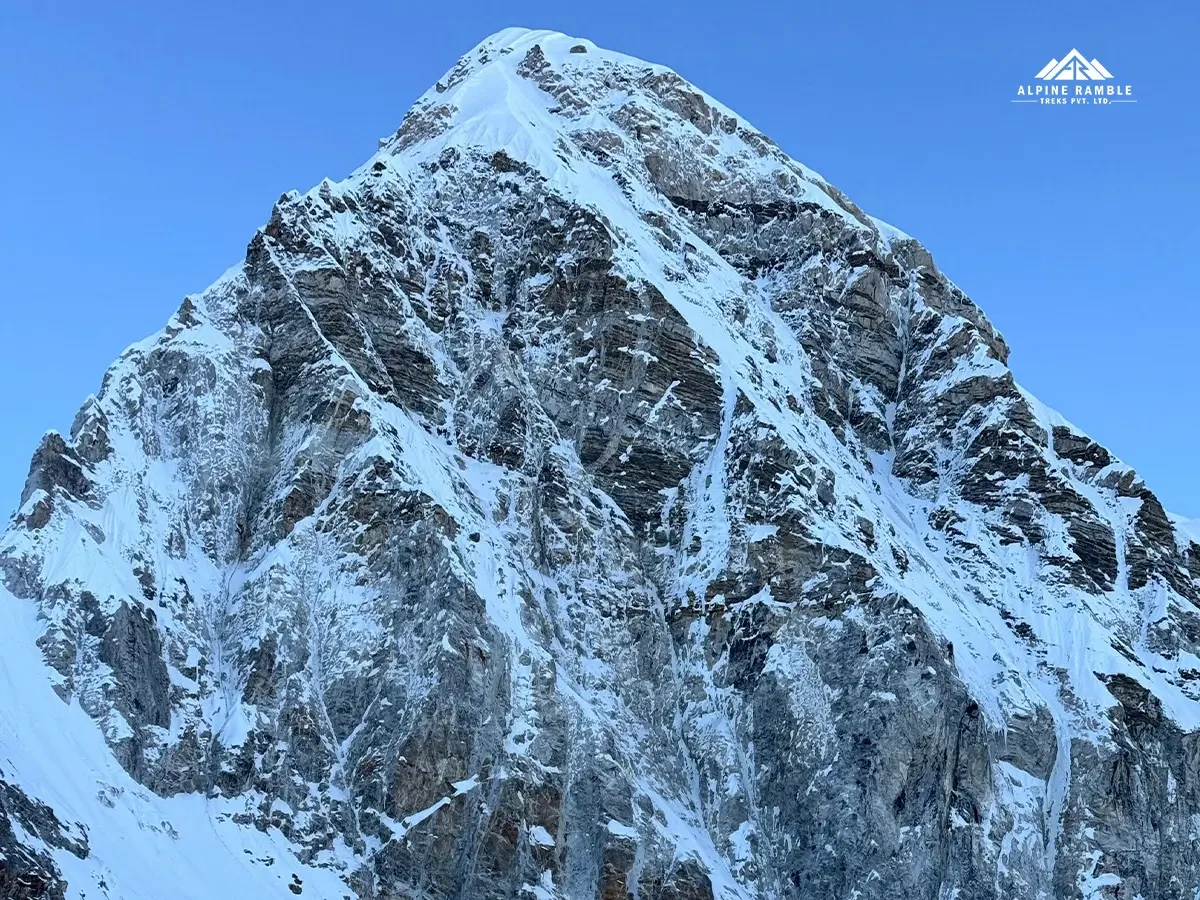
A location that is not quite making noise but silently pulling the trekkers with its sheer beauty is the Ama Dablam Base Camp. Mount Ama Dablam, at only 6,170 meters, is known to be the most beautiful mountain in all of Nepal. In fact, many even call it the “Matterhorn of Nepal” because of the mountain’s incomprehensible beauty and landscape.
The Ama Dablam Base Camp itself sits at an elevation of 4,600 m/15,092 ft, and ninety percent of the trail is the same as the Everest Base Camp but diverts from a place called Pangboche. It comes as a bonus side quest for this package and is the ultimate steal when it comes to trekking in Nepal.
And along with experiencing the culture and traditions of the Sherpa communities and the importance of the monasteries from a religious standpoint, this trek takes you deep into the foothills of Mount Ama Dablam, where you can get very close views of the said mountain.
Difficulty, Fitness, and Altitude Considerations
The Everest Monastery Trek is a moderate trek that suits travelers with basic fitness and no technical trekking experience. It focuses more on steady walking and cultural exploration compared to other physically demanding ones.
Everest cultural trek difficulty: Moderate and manageable
Fitness level required: Average fitness with regular walking ability
The trek follows a gradual ascent, allowing trekkers to gain altitude slowly and safely. This reduces strain on the body and makes the journey more comfortable, especially for those new to high-altitude trekking.
Even with proper acclimatization practices that take high altitude into account, prior preparation for the trek is highly recommended. Exercise that focuses on building stamina and cardiovascular strength are the best for trekking preparations in the Himalayas.
- Altitude & Acclimatization Highlights:
- Altitude on Everest cultural trek: Reached gradually over several days
- Acclimatization in Khumbu: Built into the itinerary through short walking days
- Rest opportunities: Village stays and cultural activities support recovery
Because the focus is on Sherpa culture and spiritual sites, the walking days feel balanced rather than rushed. This makes the trek ideal for non-technical trekkers who want to experience the Everest region at a meaningful, relaxed pace without the intensity of the standard Everest Base Camp trek.
Best Time for Everest Sherpa Culture & Monastery Trek
The best time for the Everest Sherpa Culture and Monastery Trek is during spring (March to May) and autumn (September to November), when weather conditions are stable and the Khumbu region is at its most beautiful.
Spring (March to May) brings clear skies, mild daytime temperatures, and blooming rhododendron forests at lower elevations. Monasteries and villages feel especially alive during this season, and mountain views of Everest, Ama Dablam, and Lhotse are consistently clear.
Autumn (September to November) is considered the prime trekking season. The monsoon rains leave the air crisp and clean, offering excellent visibility and dry trails. This period also coincides with important Buddhist festivals such as Mani Rimdu at Tengboche Monastery, adding a rich cultural and spiritual dimension to the trek.
Winter (December to February) is quieter and offers a more contemplative experience, but colder temperatures and occasional snowfall can make trekking more challenging, especially near high passes and villages.
Summer and monsoon season (June to August) are the least ideal due to heavy rainfall, cloud cover, and flight disruptions to Lukla, though the region is lush and peaceful for those seeking solitude.
Temperature Variations on Everest Sherpa Culture and Monastery Trek
| Season | Months | Day TemperatureDay Temperature | Night Temperature |
| Spring | March–May | 10°C to 15°C | -5°C to 5°C |
| Summer | June–August | 15°C to 20°C | 5°C to 10°C |
| Autumn | September–November | 10°C to 15°C | -5°C to 5°C |
| Winter | December–February | 5°C to 10°C | -15°C to -5°C |
Permits Required for Everest Cultural Trek
For the Everest Sherpa Culture and Monastery Trek, trekkers are required to carry two mandatory permits. These permits must be obtained before or during the early stages of the trek and kept with you at all times, as they are checked at several points along the route.
Permit costs are as follows:
Sagarmatha National Park Entry Permit: NPR 3,000 per person for foreign nationals.
Khumbu Pasang Lhamu Rural Municipality Permit: NPR 2,000 per person.
These fees are payable in Nepali currency and can be obtained either in Kathmandu or at designated checkpoints along the trekking route, most commonly in Lukla and Monjo.
Food and Accommodation on the Sherpa Culture Trek
Food and accommodation on the Sherpa Culture Trek reflect the heart of teahouse trekking in Everest, offering comfort, nourishment, and genuine cultural connection. Accommodation is provided in family-run lodges, known locally as tea houses in Khumbu, where trekkers stay in simple yet welcoming rooms and share warm dining spaces with local hosts. These teahouses form the backbone of teahouse trekking in Everest and allow travelers to experience daily Sherpa life in a relaxed and authentic setting.
Accommodation on the Everest Sherpa Culture and Monastery Trek:
- Family-run tea houses in Khumbu villages
- Clean, comfortable rooms with basic bedding
- Shared bathrooms, with hot showers available in some lodges
- Warm communal dining areas that encourage interaction and cultural exchange
Food on the Everest cultural trek is freshly prepared at the tea houses and is designed to be filling and energy-rich for trekking days. Sherpa food trekking traditions are well represented, alongside familiar options for comfort and variety.
Food on the Everest Sherpa Culture and Monastery Trek:
Local meals such as dal bhat, Tibetan bread, potatoes, soups, and momos
Seasonal vegetables, lentils, rice, and noodles as staple ingredients
Simple Western-style dishes including eggs, pancakes, pasta, and fried rice
Hot drinks like butter tea, milk tea, herbal teas, and coffee
As the trek gains altitude, menus become simpler, but the quality of food and the warmth of cultural hospitality remain constant, making food on the Everest cultural trek both sustaining and memorable.