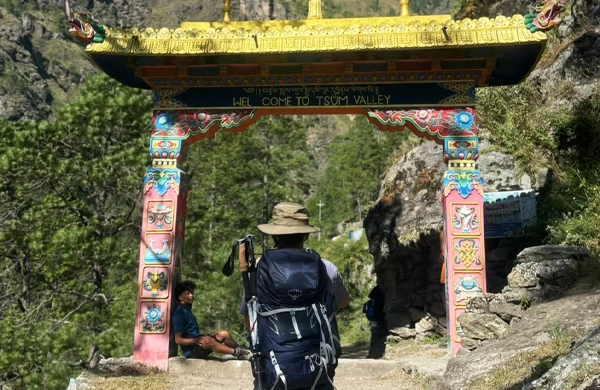
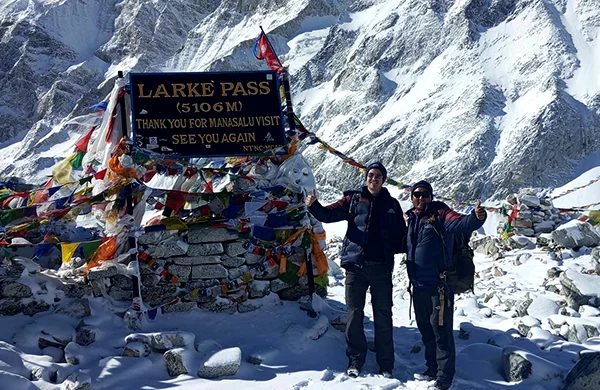
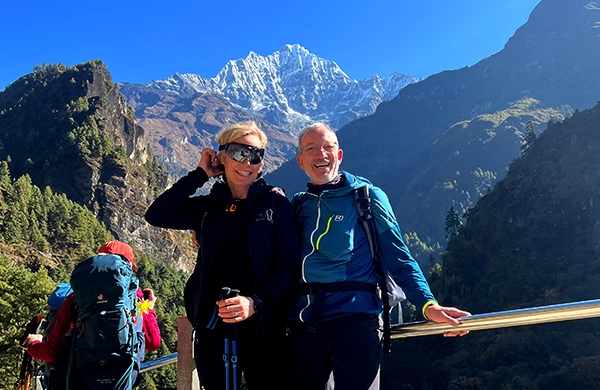
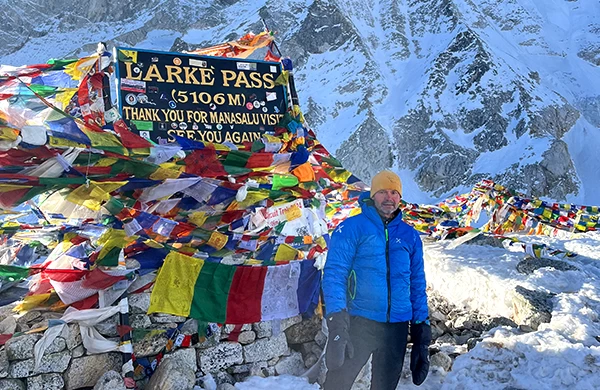
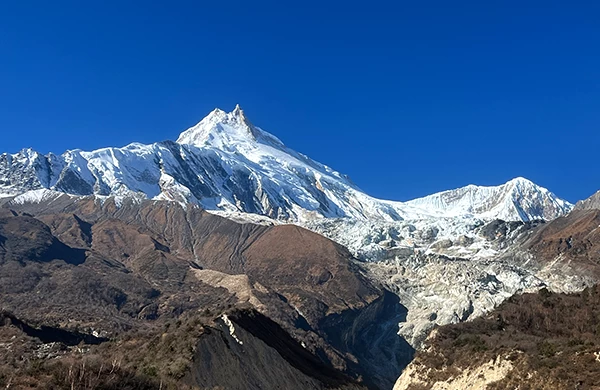
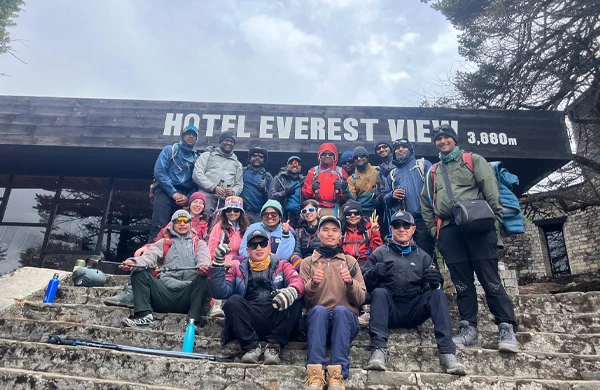
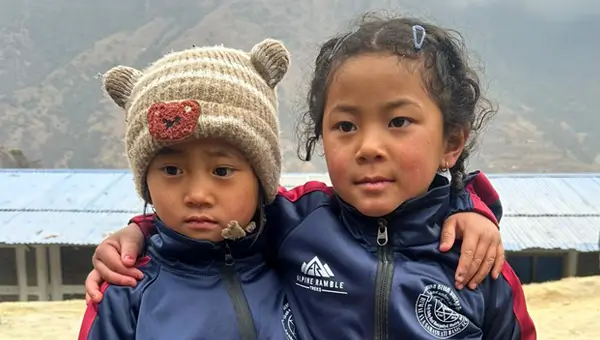
Tsum Valley is located in the northern part of the Gorkha district, close to the Tibet border, and is one of Nepal's last restricted areas still largely untouched by mass tourism. The valley sits inside the Manaslu Conservation Area, framed by the Ganesh Himal and Sringi Himal ranges, and follows the Shiar Khola river through a string of villages that feel more Tibetan than Nepali in both language and daily life.
Locals here still follow age-old Buddhist traditions, and the valley is often called the "Hidden Valley of Happiness" or Beyul Kyimolung, a name rooted in Tibetan Buddhist belief that this was a sacred, hidden land protected from outside conflict. Walking through villages like Chumling, Chhokang Paro, and Nile, you pass chortens, mani walls, and centuries-old monasteries, with Mu Gompa sitting near the top of the valley as its spiritual heart. It is this mix of remoteness, culture, and dramatic mountain scenery that draws trekkers here rather than the more crowded routes like Everest or Annapurna.
How Much Does the Tsum Valley Trek Cost in 2026?
This is a complex question because the cost for any travel plan is not one-dimensional. There are a lot of factors to account for, from travel logistics to management to trip duration; every little thing makes a difference. Since you need a registered trekking company with a licensed guide for the Manaslu Region, you will pay for the entire package instead of managing every little task on your own. Which means you pay the price that's stated by the company, which can be a little intimidating if you are so used to handling everything on your own, but it is actually much easier and more efficient this way.
As per the local rule, no outsiders can trek by themselves in the restricted area not only because of safety concerns but also as an effort for conservation and preservation of the natural and cultural state of the restricted region.
Speaking about the standard total cost, the Tsum Valley Trek can cost anywhere from $800 to $2000. And as mentioned previously, the cost depends on different factors: such as the type of service you take, the total number of days, and also your spending habits.
What Affects the Cost of the Tsum Valley Trek?
When it comes to trekking in the Himalayas, the cost starts to add up from service charges to personal costs and everything in between. Understanding everything beforehand makes it much easier to plan a budget:
Trip duration: Trip duration is one of the biggest factors that affect how much you pay, as each day adds to your budget. It is natural for the shorter itineraries, like 10-12 days, to cost less compared to the longer ones, where it takes 15-20 days. Each added day means the cost goes up as permit fees, guide wages, and accommodation nights increase as well. Especially since Tsum Valley is in the restricted area, the charges can be a bit more expensive compared to other shorter destinations in the Annapurna region.
Group size: Group size is another important factor that contributes to the cost of the Tsum Valley Trek. Solo trekking always costs more compared to group trekking. When you are trekking solo, every cost that comes within the trekking budget should be shouldered on your own, whereas when it comes to a group, these costs will be shared. For example, guide and porter costs, along with transport, get shared across the group, so a solo trekker pays noticeably more per person than someone traveling with three or four companions.
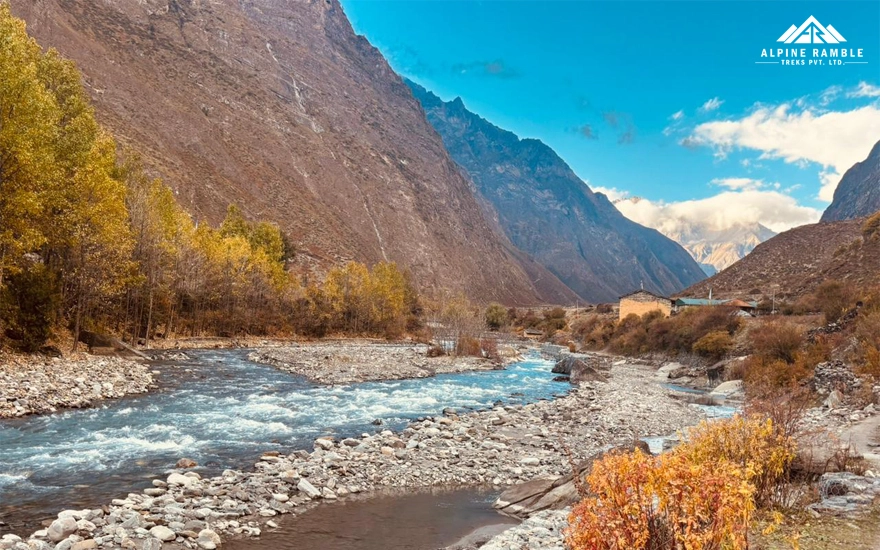
Season: Believe it or not, what season you decide on also affects the total cost, not as much as other factors, but it is noticeable. Peak seasons like spring and autumn do tend to have higher rates and less room for bargains, as there are more number of trekkers with a limited number of accommodation services. Off-seasons like summer/monsoon and winter see fewer trekkers, as it is so many companies might offer better deals with discounted offers.
Permit fees: Permits are the mandatory essentials of the Manaslu Circuit Trek; without them, entering the protected area of the Manaslu region is next to impossible. There are checkpoints where your permits will be checked, so having them on you is crucial. The restricted area permit costs can shift depending on how you plan to stay inside the restricted area zone during the Tsum Valley Trek. The Restricted Area Permit is charged at a flat rate for the first week and then a daily rate after that.
Comfort Level: The cost for the Tsum Valley Trek can also depend on the level of comfort service to decide upon. The route of the Tsum Valley or the entire Manaslu Region in general offers basic services in the first place, but there are ways to up your comfort experience. From more variety in food, extra porters, and better rooms to even a helicopter return package, the costs definitely add up the more your comfort levels increase. But this is something you can manage according to your budget.
Additional services: There are types of services that you can choose to avoid or add that can help fluctuate the cost of the Tsum Valley Trek. Additional services like private transport instead of shared vehicles, types of hotels you stay at in Kathmandu, and extra acclimatization days all add to the final cost for the entire trek. So, for this, all the services can be done according to your budget.
How much do the Tsum Valley Trek Permits cost in 2026?
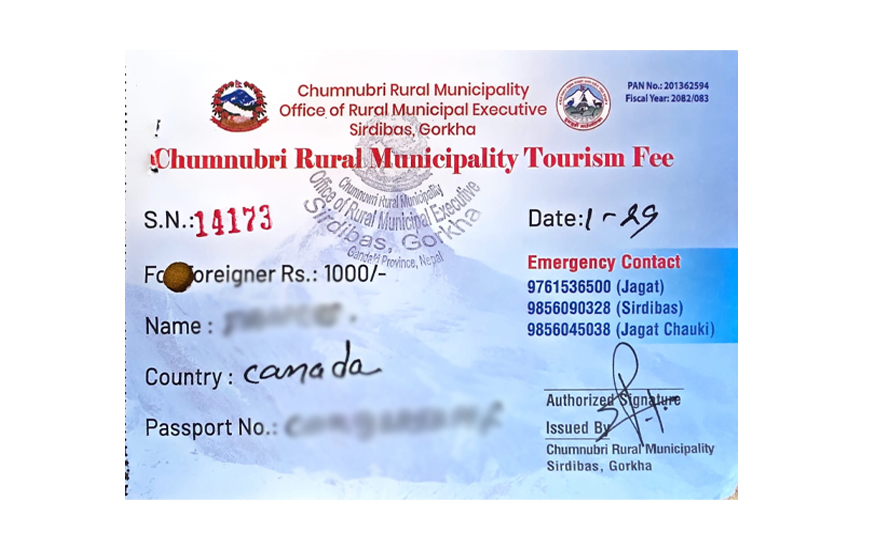
There are three permits required in total for the Tsum Valley Trek. Each permit serves a different purpose and has different costs as well. But no matter the price, it is one of the most important things to have for the Tsum Valley Trek and does contribute to adding up the cost. Here are the different permits required and their costs in 2026:
Tsum Valley Restricted Area Permit (RAP): Costs USD 40 per person for the first week and USD 7 per day after that from September to November (peak season); it costs USD 30 for the first week and USD 7 per day from December to August (off-season).
Restricted Area Permit (MRAP): Required because Tsum Valley connects through the Manaslu region; costs USD 100 per week in peak season (September–November) and USD 75 per week in the off-season.
Manaslu Conservation Area Permit (MCAP): Costs NPR 3,000 (approx. USD 23–30) for foreign nationals.
Chumnubri Rural Municipality Entry Permit: A local area fee costing NPR 1,000 per person.
Optional or Additional
Annapurna Conservation Area Permit (ACAP): Mandatory if your route connects or exits through the Annapurna/Dharapani area; costs NPR 3,000 (approx. USD 23–30).
2026 Tsum Valley Trek Accommodation Cost
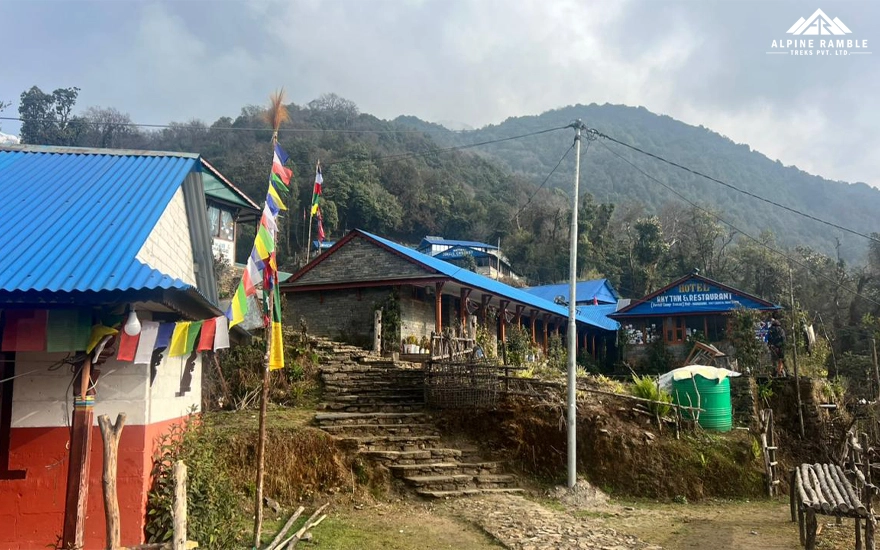
The teahouses along the trail of the Tsum Valley are very basic, and in some cases you will also be staying in Monasteries. The accommodation cost for the entire trek can range from 5 to 15 USD; the teahouses are more affordable than you think. Your most expensive accommodation might actually be the hotel in Kathmandu, depending on the type of lodging you choose, as in the mountains the choices are already limited. And the plus point is, as you are already being taken by the company, the accommodation cost for the trek will be covered by the trek package.
Tsum Valley Food Cost
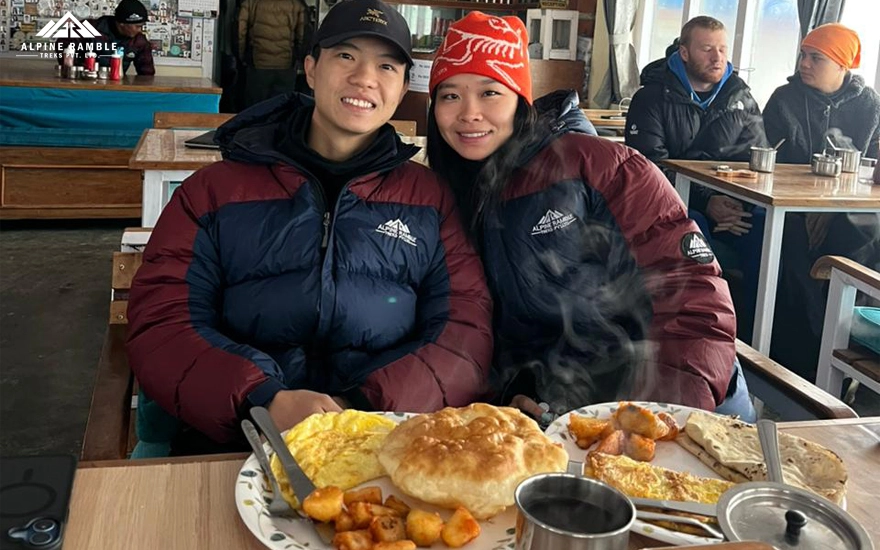
Food is very important during the trek, especially for such a trail. The package covers at least three standard meals, but apart from that, every extra purchase will have to come from your own pocket. The food menu is already limited because of the remoteness and difficult accessibility of the Tsum Valley. But on average you will need 8 to 10 USD for the food. It all depends on your personal spending habits.
The extra costs come in the form of extra food aside from what the package offers, bottled mineral drinking water, packaged food, etc. It will be relatively more expensive in the higher altitude as well.
Daily Expenses during the Tsum Valley Trek
Even if your package covers most of the bigger cost, the daily personal expenses can add up unexpectedly. Therefore, having extra cash on you is important, especially when there aren’t any banks or ATMs available anywhere on the route. Here is a list of things that can add up to your daily expenses:
Drinking water: Mineral water or even hot water for drinking can cost anywhere from 1 to 3 USD, especially around places like Mu Gompa. Packing water purification tablets can help avoid this cost on the trek.
Hot Showers: Hot showers are available in the lower part of the trek but get scarce the higher you ascend and are more expensive. This means the hot shower cost ranges from 1 USD to 5 USD, while it is tempting to take a shower, its usually not recommended.
Charging Electronics: You do have to pay a small fee for charging your electronic devices like cell phones, power banks, cameras, etc. The costs are generally in the range of USD 1 to 3, since most teahouses run on solar power once you are deep in the valley.
WiFi or Internet: Wifi is not available everywhere on the Tsum Valley trail, especially on the higher elevations. But the teahouse where it is available, it comes at an extra price. It's often USD 2 to 4 for a card or a set number of hours, though connectivity becomes unreliable or nonexistent in the upper villages.
Guide and Porter Cost for the Tsum Valley Trek in 2026
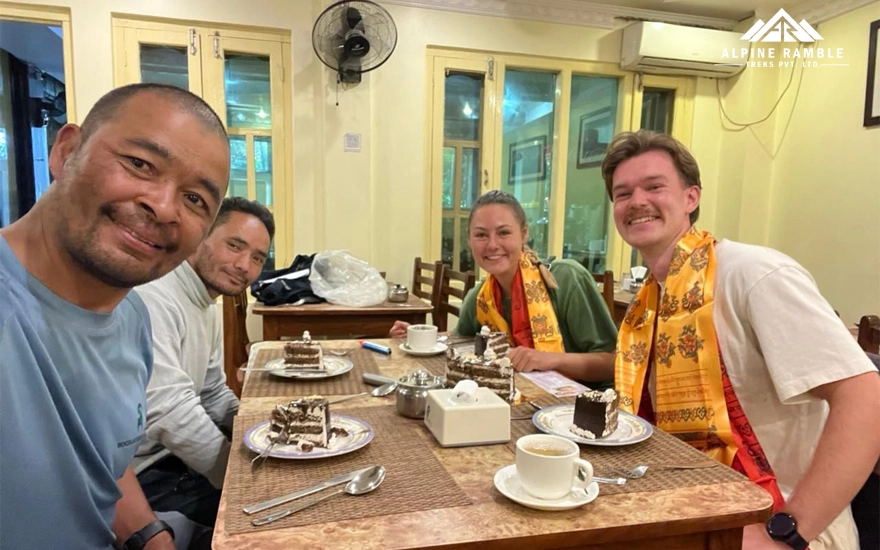
A licensed guide typically costs between USD 30 and 50 per day, while a porter runs around USD 20 to 30 per day, and both are usually already built into your package price. Since Tsum Valley is a restricted area, hiring a guide is mandatory, not optional, and most trekkers also bring a porter to help with the steep, remote terrain, especially on longer trails near Mu Gompa. Tipping is customary at the end of the trek and is separate from these daily rates, so it is worth budgeting a bit extra for that as a thank you for their work.
Transportation Cost during the Tsum Valley Trek
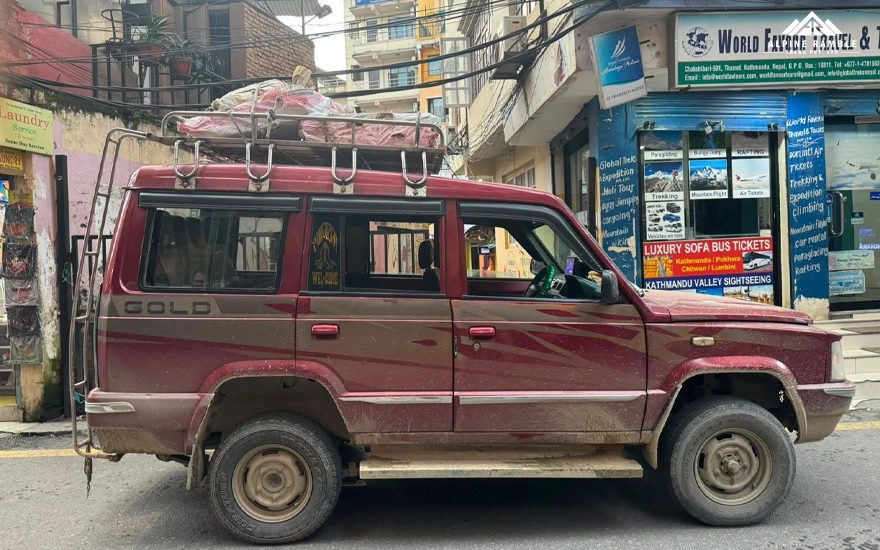
Transportation is a constant factor for the cost of the Tsum Valley Trek, before the trek begins and after the trek is completed. There are two major choices for the transportation: public bus or private jeep. The public bus is the cheapest option but comes with its own sets of pros and cons. Whereas a private jeep is definitely faster and more comfortable but is costlier.
For jeep transportation there are two more options: shared and private. On shared, you can share with other trekkers, while private is where you pay the entire cost on your own. For public buses it costs 15-20 USD, and for shared jeeps it costs 60-80 USD, and for private jeeps it costs 200-300 USD. There is also an option for a private helicopter return from Tsum Valley back to Kathmandu, which is more on the expensive side for about $4500 USD but extremely useful for people in a time crunch.
Travel Insurance Cost for the Tsum Valley Trek
People often wonder, do I need travel insurance for the Tsum Valley Trek? Yes, Travel Insurance is a mandatory part of the trekking experience in Nepal, which includes the Tsum Valley. Without valid travel insurance, you will not be granted the permission for trekking, especially via an agency. Your travel insurance must also cover emergency helicopter rescue up to the highest elevation on the itinerary and for the Tsum Valley Trek, which is up to 6000 meters above sea level.
The insurance must also be from the company from your own country. Your RAP permit will also not be issued without the valid insurance document as proof. That being said, for travel insurance costs for Tsum Valley Trek, it can range from $30 to $80 for standard short-duration policies covering basic high altitude to $150 to $250 for longer trips, which is comprehensive international coverage.
Tsum Valley Trek and Manaslu Circuit Trek Cost
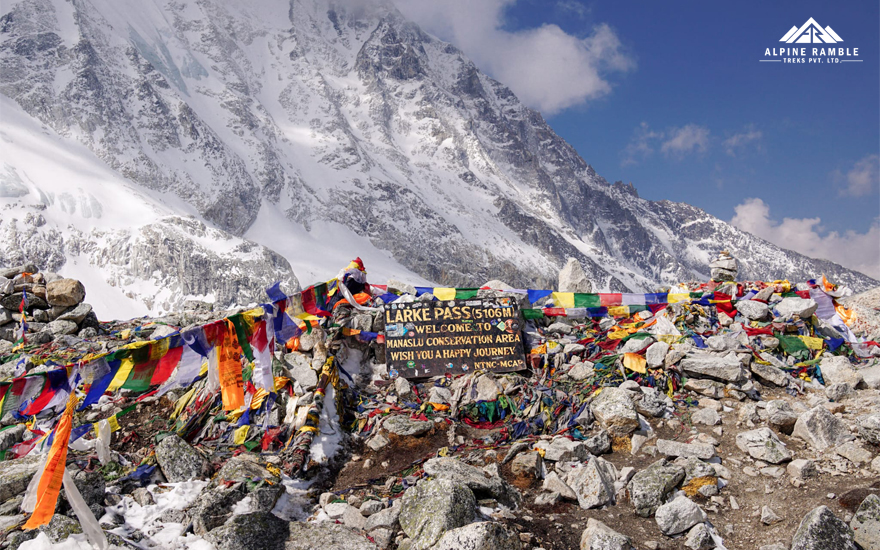
With the Tsum Valley Trek, you can also add the option of doing the Manaslu Circuit Trek on the same trip with an added number of days. Since the route for the Tsum Valley and Manaslu Circuit cross paths; doing both in the same itinerary is very common but takes longer days compared to the single itinerary.
And when two different treks are combined into one, it naturally costs more compared to a standard one trek. The Tsum Valley Trek with Manaslu Circuit can cost from 1200 USD to 2000 USD depending on the factors discussed above.
Equipment Cost for the Manalsu Tsum Valley Trek
When you have planned to do trekking in the Himalayas, especially in such rural areas as the Tsum Valley, you need to be extra prepared. From the right clothes to proper gear and equipment, all of these things stand between how comfortable your experiences are.
There are two options: either buy everything back in your own country, or you can buy it in Kathmandu. Most trekkers buy everything they need after arriving in Kathmandu. You can find from the most affordable gear to expensive ones.
Since the Tsum Valley Trek does not require any technical gear, your basic trekking attire and gear will do the trick. If you are a first-time buyer, then you definitely will spend more, but if you are a seasoned trekker, all your old ones will work just fine except for the ones that need the replacement. So on average, you will spend anywhere from $100 to $300 depending on what you need and the quality you choose.
Comparing Tsum Valley Trek Cost
Is the Tsum Valley Trek expensive compared to other popular trekking destinations in Nepal? Of course, the price range does vary from destination to destination, and if you are trying to decide between a few different routes, comparing standard package prices side by side helps put Tsum Valley's cost into perspective.
Tsum Valley Trek vs. Manaslu Circuit Trek
Since both destinations are in the same region and even share some portion of the route, the prices are different because the entire itinerary is different as well. For the Tsum Valley Trek, a standard trek ranges from $900 for larger groups to $1200 for a solo trekker, whereas for the Manaslu Circuit it is $1200 to $1700, respectively.
The two treks end up close in price for small groups, but Manaslu tends to cost a bit more for solo trekkers since its itinerary includes an extra conservation permit near the end of the circuit that Tsum Valley does not require.
Tsum Valley Trek vs. Everest Base Camp Trek
In comparison to Everest Base Camp, we first need to understand that the two destinations are completely opposite to each other, especially in terms of services and accessibility. Everest Base Camp is the most popular trekking destination and is noticeably pricier, generally USD 1,100 to 1,400 depending on group size, with two to four people paying around USD 1,350 each. This noticeable gap comes from the flight requirement to Lukla, which increases the price, as well as the better accommodation and logistic services compared to the Tsum Valley.
Tsum Valley Trek vs. Annapurna Circuit Trek
The Annapurna Circuit Trek is another popular trekking destination and also one of the more affordable trekking destinations. The price ranges from $700 to $800 for a larger group and $900 to $1100 for solo trekkers. Annapurna only requires the ACAP permit, while Tsum Valley's restricted area status adds the Restricted Area Permit and Manaslu Conservation Area Permit that Annapurna trekkers do not have to budget for.
Consequently, the Tsum Valley Trek compared to all other treks lands right in the middle when it comes to the cost. There are trekking packages that are more expensive than a standard Tsum Valley Trek but also less expensive.
Conclusion: Is the cost for the Tsum Valley Trek worth it?
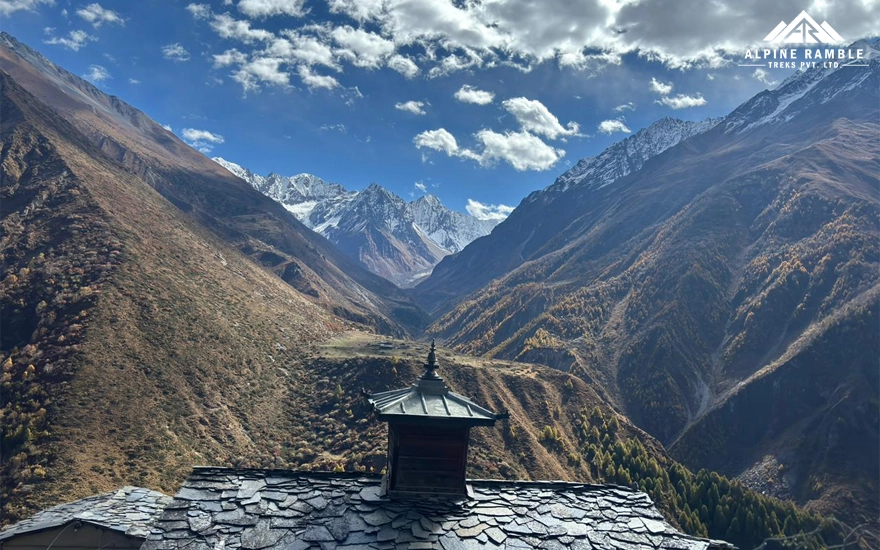
After everything has been broken down and analyzed for the cost from permit, guide fee, and daily expense, the question remains: is the cost for the Tsum Valley Trek worth it? Yes, the price you pay for the Tsum Valley Trek is definitely worth it and offers genuine value.
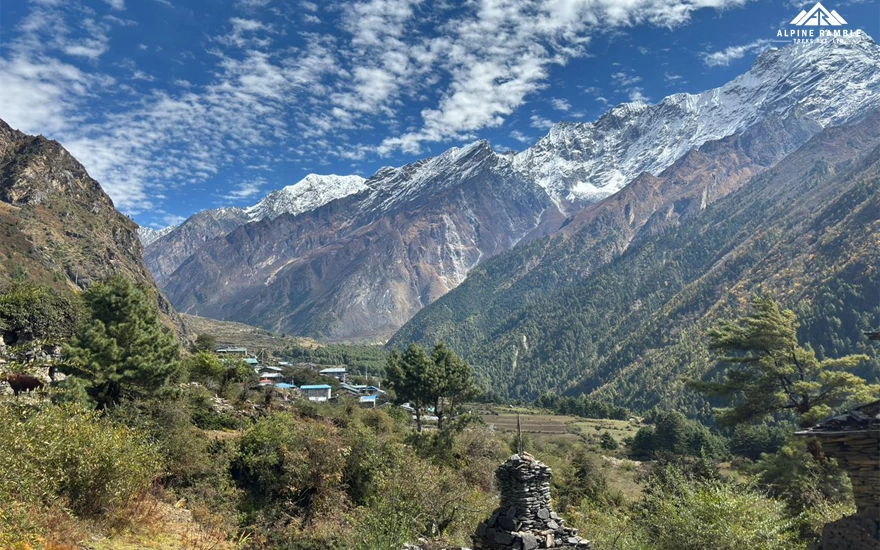
While the cost does go towards permits, guides, porters, accommodation, and meals, there are other values the Tsum Valley offers. The scenic panoramic mountain views and the cultural aspect are hard to overstate. From walking beneath Ganesh Himal, Himalchuli, and Boudha Himal, through a valley carved by the Shiar Khola that shifts from subtropical forest at the lower villages to stark alpine terrain by the time you reach Mu Gompa.
Villages like Chumling, Chhokang Paro, and Nile are cultural centers and monasteries like Mu Gompa and Rachen Gompa. Everything you see and experience during the trek will make every single dollar you spent worth it.
So when you weigh the cost against what you get from services to the quiet trails, dramatic mountain views, and genuine access to a preserved Tibetan Buddhist culture, the Tsum Valley Trek holds up well against treks that cost the same or more. It is one of the few destinations that offer an authentic rural trekking experience that has been untouched by over-tourism.
Frequently Asked Questions
1. How much does the Tsum Valley Trek cost on average?
A standard package typically costs between USD 900 and 1,600 per person, depending on group size, trip duration, and season.
2. What permits do I need for the Tsum Valley Trek, and how much do they cost?
You need the Restricted Area Permit, the Manaslu Conservation Area Permit, and the Chumnubri Rural Municipality Permit, which together usually add up to around USD 150 to 250 depending on trip length.
3. Is the Tsum Valley Trek cheaper than the Manaslu Circuit or Everest Base Camp?
It is generally cheaper than Everest Base Camp, mainly because it skips the costly Lukla flight, and it is similar in price to the Manaslu Circuit for most group sizes.
4. Can I trek Tsum Valley alone, or do I need a group?
Solo trekking is legally allowed with a licensed guide and a porter, though a single supplement is usually added, and traveling with even one or two others lowers the per-person cost.
5. What is not included in a standard Tsum Valley Trek package?
International flights, Nepal visa fees, travel insurance, personal snacks, hot showers, Wi-Fi, and tips for your guide and porter are typically excluded.
6. How much should I budget for daily personal expenses on the trail?
Most trekkers set aside USD 10 to 20 a day for water, charging, hot showers, and the occasional snack.
7. Is the Tsum Valley Trek worth the cost compared to more popular routes?
Yes, for trekkers who value quiet trails and genuine cultural immersion, since the same or lower price point buys you far fewer crowds and closer access to living Tibetan Buddhist communities than busier routes like Everest Base Camp or Annapurna.