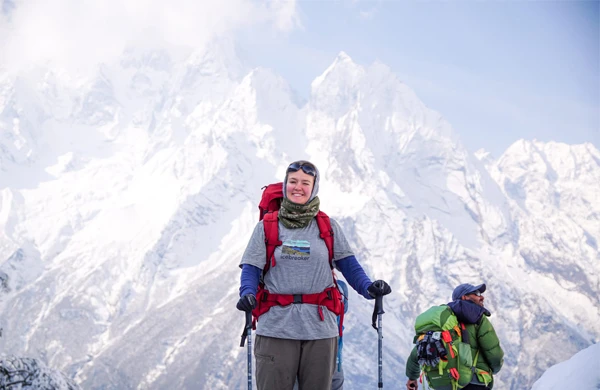
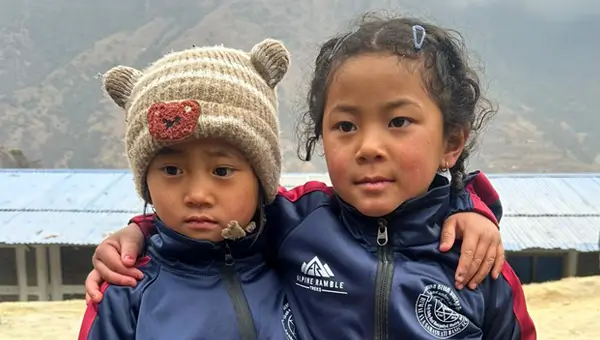
The journey of the Tsum Valley Trek takes you through some of the most mesmerizing trails, passing the remote Himalayan villages, ancient Buddhist monasteries, and landscapes that border Tibet. But despite all the tempting offers, knowing the difficulty of this trek before booking is very important.
From the rugged trails and hours of walking to staying in basic teahouses or even monasteries, there are many layers to the difficulty of the trek. This trek isn’t for everyone and this blog answers all the questions for “how difficult is the Tsum Valley Trek?”
Everything that shapes the Tsum Valley Trek's difficulty, including altitude, terrain, daily walking hours, weather, and fitness requirements, so you can prepare properly and know exactly what to expect on the trail.
Is the Tsum Valley Trek Difficult? (Quick Overview)
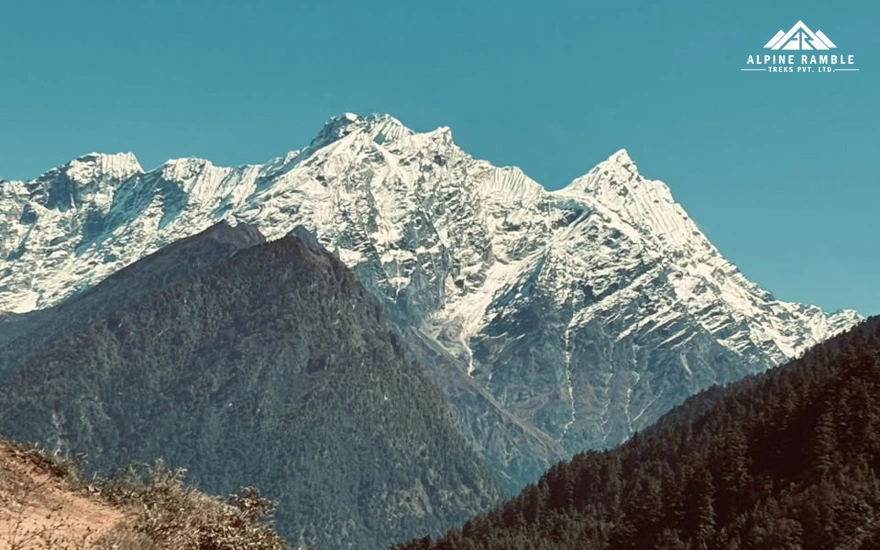
Yes, the Tsum Valley Trek is generally considered a moderate to challenging level of difficulty. This means the difficulty level easily puts Tsum Valley in not-so-easy part of Nepal’s trekking destination but also not a majorly difficult one. What makes this trek challenging isn’t based on one extreme factor but a combination of moderate challenges that you come across while on the trail.
The Tsum Valley Trek generally runs anywhere from 10 to 18 days, depending on your choice of itinerary, whether packaged or customized. There are even options to combine the trek with the Manaslu Circuit Trek to get the full experience of the Manalsu region.
The trek begins with a bumpy ride from Kathmandu to Machha Khola. Then the remainder of the days are spent on the trail moving from village to village, gaining elevation until you reach the highest point of the trek, which is Mu Gompa at 3,700 meters. And as the elevation increases, so does the cold, adding another layer to the challenge.
While the technical climbing knowledge is not required, having good physical fitness and mental strength is extremely important. There will always be the chance of getting altitude sickness if the symptoms are ignored and proper acclimatization is not done.
Perhaps the most challenging part of this trek might be the remoteness of it. Since the Tsum Valley is part of the Manaslu Conservation Area, which also means it is a restricted area requiring a separate permit. The infrastructure here is noticeably more basic and uncommercialized compared to other popular trekking destinations like Everest Base Camp and the Annapurna Circuit Trek.
Teahouses along the way offer simple accommodation and meals, but medical facilities are sparse beyond the lower villages, and phone signal becomes unreliable or nonexistent as you move deeper into the valley. This makes preparation, both physical and logistical, more important than it might be on a shorter or more developed trek.
Taking everything into account, these factors show that the Tsum Valley Trek does not really demand an elite level of fitness or even a mountaineering experience, but it does ask the trekkers to be reasonably fit and know the mountain environment and what this trek actually demands of you. So, below there are breakdowns of each of these factors, such as altitude, terrain, duration, remoteness, and fitness requirements for the Tsum Valley Trek that will help you navigate the difficulty and help in making your trek a successful journey.
Tsum Valley Trek Altitude and Altitude Sickness Risk
Altitude is one of the biggest defining factors when it comes to high-altitude sickness, and Tsum Valley isn’t any different. Trekkers often tend to underestimate the altitude here, as it doesn’t reach extreme elevations, but it still climbs enough to feel the impact.
Understanding how the elevation gain unfolds across the trek, and knowing how to respond to early symptoms, is essential to completing the journey safely and comfortably.
The trail begins at a very low elevation, around 870 meters at Machha Khola, and gradually increases over the course of a few days as you go deep into the valley. The gradual ascent of this trek is one of its major advantages, which also helps in adjusting to the high altitude better compared to other treks that gain elevation in a short amount of time.
That said, the higher sections of the route, particularly around Mu Gompa and beyond, still sit at an elevation where altitude sickness becomes a real possibility, and trekkers shouldn't assume the trek's moderate rating means the risk can be ignored.
Highest Point on the Tsum Valley Trek
On the standard Tsum Valley itinerary, the highest point most trekkers reach is Mu Gompa, sitting at approximately 3,700 meters. This is generally considered the turnaround point for shorter itineraries and represents the elevation where altitude-related symptoms are most likely to appear if acclimatization hasn't been managed properly.
Some extended itineraries push further toward the Ganesh Himal Base Camp, which sits at 4,200 meters, though this route is typically reserved for those combining Tsum Valley with a longer itinerary. For most travelers booking a standard Tsum Valley package, Mu Gompa's 3,700 meters is the elevation to prepare for.
How to Prevent Altitude Sickness on the Trail
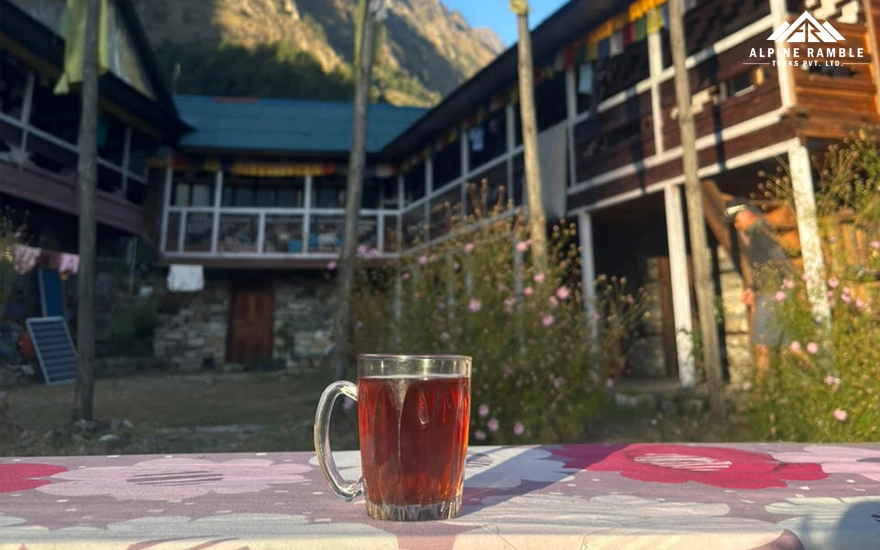
Preventing altitude sickness on the Tsum Valley Trek comes down to pacing, hydration, and awareness rather than any specialized equipment or medication. Because the itinerary already builds in a gradual ascent, trekkers who stick to the planned schedule rather than trying to rush ahead give their bodies the best chance to adjust naturally.
A few core habits make the biggest difference on the trail:
- Maintaining a steady pace, especially on days with significant elevation gain
- Stay well hydrated throughout the day, since dehydration can worsen or mimic early AMS symptoms.
- Avoid alcohol, as it can mask symptoms or interfere with natural acclimatization.
- Eat enough, even when appetite decreases at higher elevation, to maintain energy for walking and adjusting to altitude.
- Ascend gradually, following the "climb high, sleep low" principle where the itinerary allows.
Trekkers should also stay alert to early warning signs and treat them as a signal to slow down rather than push through:
- Persistent headache
- Nausea or loss of appetite
- Dizziness or lightheadedness
- Unusual fatigue beyond normal trekking tiredness
- Difficulty sleeping or shortness of breath at rest
-
In most cases, mild symptoms improve with rest, hydration, and a short pause in ascent. If symptoms worsen or don't improve, descending to a lower altitude is the most reliable way to recover. Since Tsum Valley is a remote, restricted area with limited medical facilities, trekking with an experienced guide is especially valuable here, both for recognizing symptoms early and for making sound decisions if a change of plan becomes necessary.
Trail Conditions and Geographical Terrain
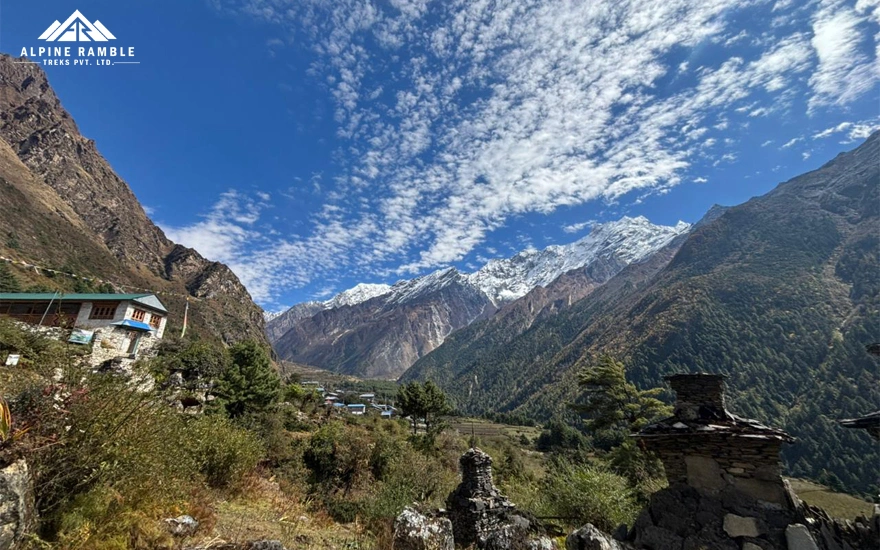
Hiking the Tsum Valley comes with different types of geographical challenges, from steep uphill to rough trails filled with moraine rocks. So instead of following the same geographical ascent, the trail shifts frequently between terrain types, which keeps the trek engaging but also means trekkers need to stay attentive throughout the day rather than settling into a predictable rhythm.
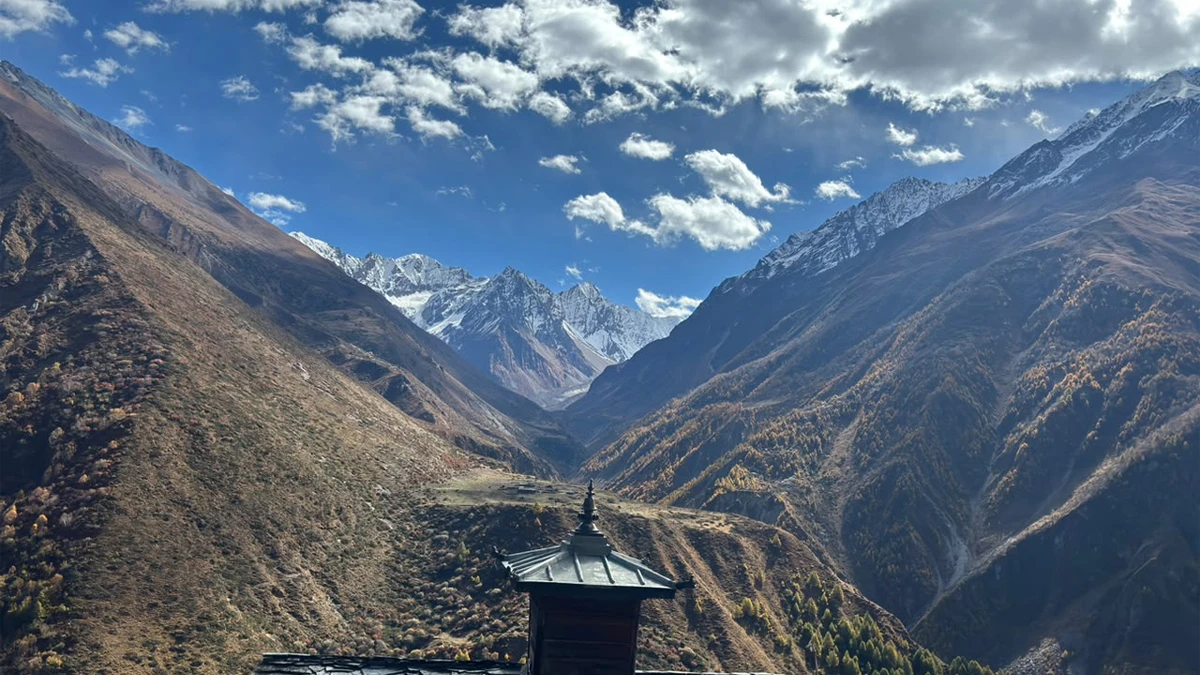
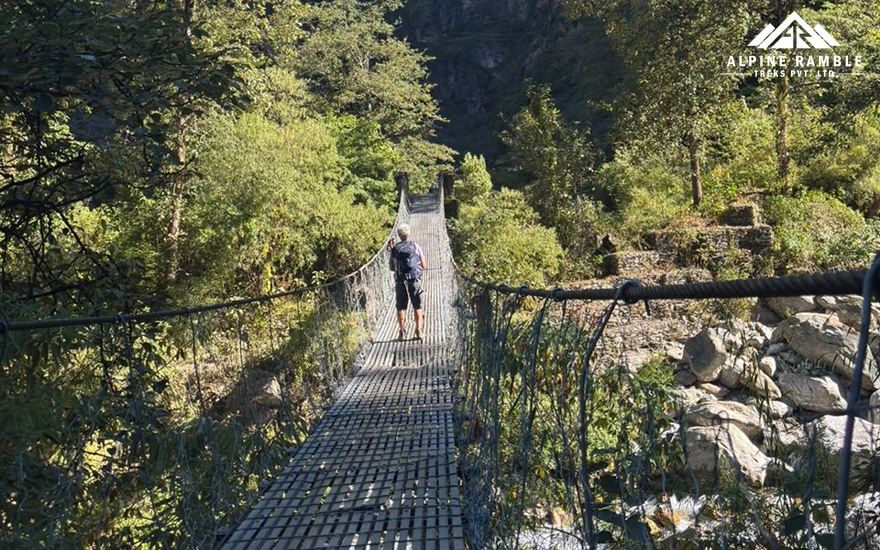
The lower parts of the trail mostly pass through dense alpine forests alongside the Budi Gandaki River with gentle paths as well as short and sharp climbs every now and then. There will be multiple instances that will require the trekkers to cross suspension bridges while generally well-maintained, which can make it feel uncomfortable for trekkers with fear of heights.
As the trail moves further into the valley toward Chhokangparo and eventually Mu Gompa, the terrain becomes progressively steeper, with longer ascents and descents that demand more from the legs and lungs alike.
The conditions in winter can be more challenging than other seasons due to colder temperatures and snowy trails, which add to the already difficult trek. The trail's difficulty is not constant; it gradually builds and changes its nature as the trek progresses, with river crossings, forested climbs and exposed higher-altitude terrain making up the mix. There is nothing extreme in itself on the route, but this variability is part of what makes the Tsum Valley Trek feel more demanding than a straightforward, well-graded trail.
"The trek itself was harder than I had anticipated, with every day involving steep rocky paths up and down, even if the final destination for the day was only 200m higher than the starting point, there would be both steep ascents and descents." — Clarie, Tsum Valley trekker via Alpine Ramble Treks
This is a detail worth keeping in mind: net elevation change between stops doesn't reflect the actual physical effort involved, since the trail rarely moves in a straight ascent.
Trek Duration and Daily Walking Hours
The Tsum Valley Trek typically takes between 10 and 18 days depending on the itinerary, with daily walking hours and distances that build up gradually as the trail gains elevation deeper into the valley.
Duration: 10 to 18 days, depending on whether it's combined with the Manaslu Circuit
Daily walking hours: 5 to 8 hours on average
Longer days: Up to 8 hours on some days, particularly near Mu Gompa and steeper climbs in the upper valley
Daily distance: Roughly 10 to 15 kilometers, depending with trail and elevation change
Route options: Standard Tsum Valley route (shorter) or extended itinerary combined with the Manaslu Circuit (longer)
Remoteness and Limited Facilities
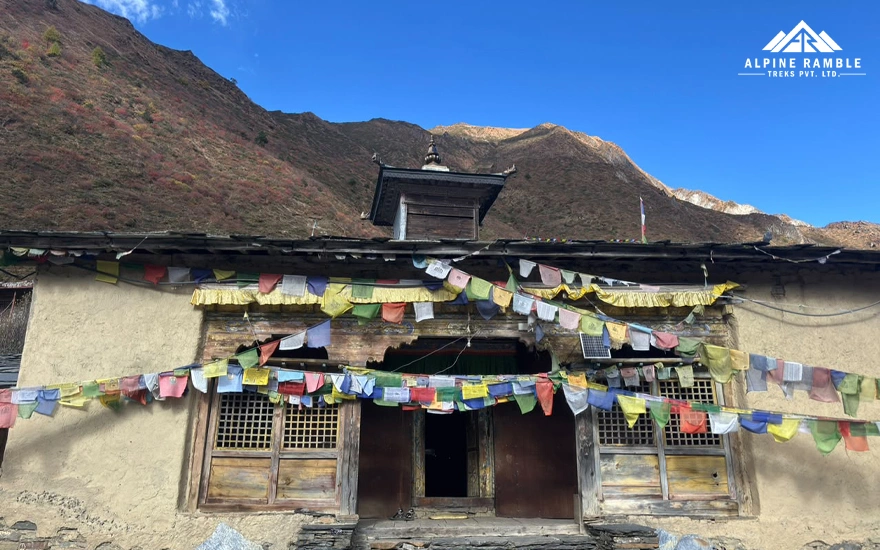
It has been well established that the Manaslu region is the restricted area, which means the places that come within the region have limited access to facilities and developments. And unlike other commercialized treks of the Everest and Annapurna Region, the Tsum Valley is well hidden from most trekkers. While it does make it difficult to adjust to being unfacilitated, it is also one of the authentic experiences that the trek offers.
Accommodation: Simple teahouses only, with fewer options and thinner amenities deeper into the valley
Electricity & Wi-Fi: Inconsistent or unavailable past the lower villages
Phone signal: Unreliable to nonexistent, especially on higher elevations
Medical facilities: No hospitals or pharmacies beyond the lower villages; help may be a day or more away.
Essentials to carry: a basic first-aid kit, personal medications, and travel insurance with emergency evacuation cover
Guide value: An experienced guide is especially useful here for logistics, local communication, and handling problems given limited outside support.
Weather and Seasonal Impact on Difficulty
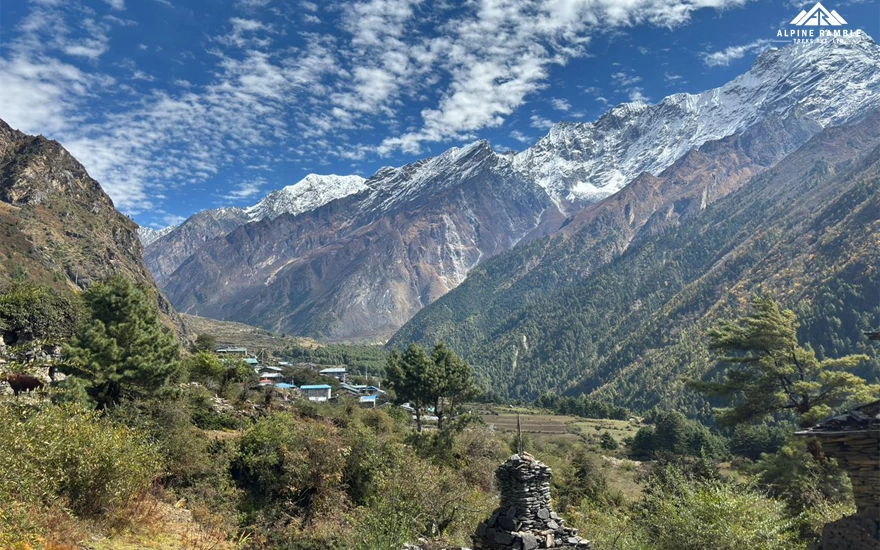
The time of year you choose to trek Tsum Valley has a direct and significant impact on how difficult the journey feels. Spring, from March to May, and autumn, from September to November, are widely considered the best seasons, offering stable weather, clearer mountain views, and safer trail conditions. During these months, temperatures are moderate, precipitation is low, and the trails are generally dry and easier to navigate.
Spring (March to May): Stable weather, clear mountain views, generally dry and easier trails
Autumn (September to November): Considered the best season alongside spring, with similar stable conditions
Monsoon (June to August): Higher landslide risk, muddy and slippery trails, leeches common in the lower forested valley
Winter (December to February): Snow and ice at higher elevations, freezing temperatures, and some teahouses may close.
In conclusion, choosing spring or autumn reduces several difficulty factors at once, from footing to weather-related risk.
Physical Fitness and Training Requirements
Before booking, it's worth honestly evaluating your own readiness against a few practical questions rather than relying on the trek's general difficulty rating alone. This kind of self-assessment often gives a clearer, more personal picture of how the trek will feel for you specifically.
No technical climbing skills are needed for the Tsum Valley Trek, but a reasonable level of physical fitness makes the daily walking hours and elevation gain considerably more manageable.
Cardiovascular fitness: Most important area to build, since the trek involves sustained walking over consecutive days.
Strength training: Focus on legs and core to handle repeated strain from steep ascents and descents.
Train with a loaded daypack: Helps the body adjust to carrying weight for several hours at a time.
Practice on uneven terrain: Builds balance and footing for rocky or narrow trail sections.
Breathing and altitude awareness: Won't replace proper acclimatization but helps with the physical sensation of exertion at elevation
Recommended Training Timeline (4-6 weeks before departure)
A structured 4- to 6-week preparation window before departure is generally enough for most reasonably active trekkers to build adequate fitness for Tsum Valley.
Tsum Valley Trek Difficulty Compared to Other Treks
Understanding how Tsum Valley compares to other well-known treks in Nepal can help put its difficulty into context, especially for trekkers deciding between routes.
Compared to the Everest Base Camp Trek, Tsum Valley is generally considered a bit less demanding in terms of altitude, since EBC reaches over 5,300 meters while Tsum Valley's standard route tops out around 3,700 meters at Mu Gompa. However, Tsum Valley's trails can feel more remote and less developed, since EBC benefits from a well-established trekking infrastructure with more frequent teahouses and better communication access along the way.
Against the Annapurna Circuit, Tsum Valley is typically viewed as a somewhat shorter and lower-altitude alternative, since the Annapurna Circuit involves crossing Thorong La Pass at over 5,400 meters, a significant undertaking in itself. Trekkers looking for the cultural depth and mountain scenery of a classic Nepal trek, without the high-altitude pass crossing, often find Tsum Valley an appealing middle ground.
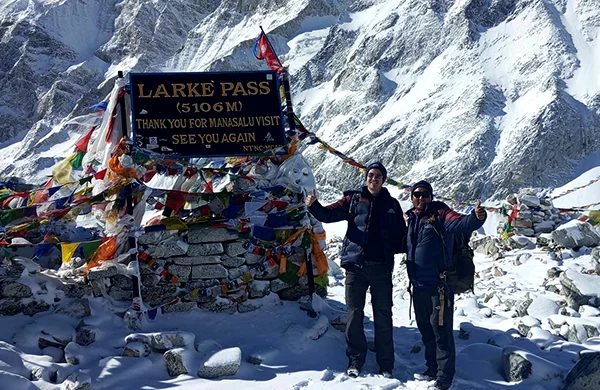
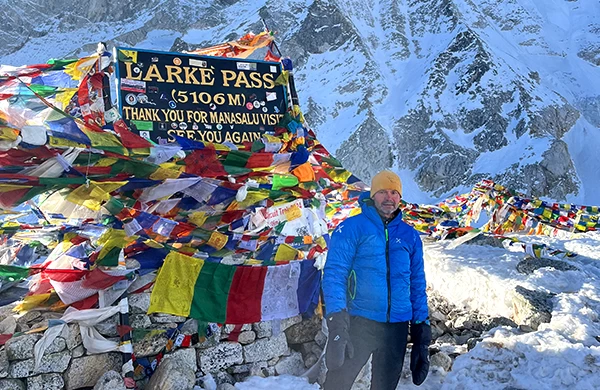
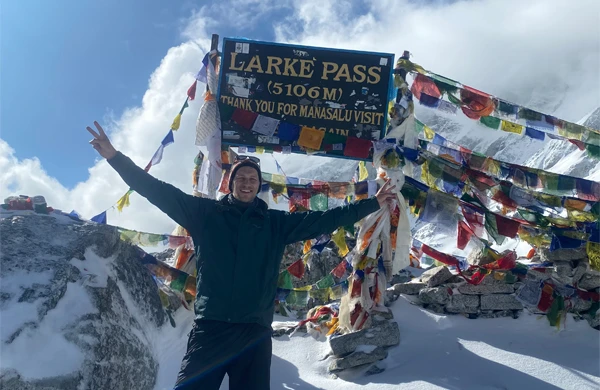
The comparison to the Manaslu Circuit is particularly relevant, since the two treks are frequently combined into a single extended itinerary. The Manaslu Circuit is noticeably more demanding, primarily due to the Larkya La Pass crossing at over 5,100 meters, which involves a long, physically taxing summit day. Tsum Valley, taken on its own, is considerably gentler than this, which is why many trekkers treat it as a good introduction to the wider Manaslu region before or after tackling the more challenging circuit.
Overall, Tsum Valley sits in a comfortable middle position: more demanding than a short cultural trek, but noticeably less strenuous than treks that involve crossing high passes above 5,000 meters. This makes it a strong option for trekkers who want a genuine high-altitude Himalayan experience without committing to the most physically extreme routes in the region.
Tips to Manage the Tsum Valley Trek Difficulty
A few practical adjustments can make the trek noticeably more manageable, regardless of starting fitness level.
Hire a guide and/or porter: Helps with pacing and navigation and reduces physical load.
Pace yourself: Avoid rushing early sections to conserve energy for the full trek.
Stay hydrated and eat enough: Supports performance and acclimatization, even with reduced appetite at altitude
Build in rest days, especially around the highest points of the route.
Pack proper layers: Temperatures shift considerably between day and night, especially at altitude.
Use trekking poles and broken-in boots: Improves stability on steep or uneven sections.
Stay flexible: Be willing to slow down or adjust plans based on how your body responds.
Who Should Do the Tsum Valley Trek?
The trek suits a fairly wide range of trekkers, provided expectations are set correctly beforehand.
Best suited for: Trekkers with some prior hiking/trekking experience and physically active beginners with realistic expectations
Especially appealing to: Those seeking a quieter, culturally immersive alternative to busier routes like EBC or Annapurna
Good fit for those interested in: Tibetan Buddhist culture, remote mountain villages, slower-paced trekking
May want to reconsider or prepare further if you have: Limited time, no prior trekking experience at all, or significant altitude-related health concerns
Conclusion: Suits those willing to prepare reasonably well and approach the trek with patience, rather than those seeking the most heavily supported or easiest trekking experience in Nepal
"The highlight of the trip was staying at a nunnery near Mu Gompa, with two Tibetan nuns who kept us warm by the fire, cooked for us, and let us sleep in a beautiful, isolated temple overnight, despite not sharing a common language." — Tsum Valley trekker via Alpine Ramble Treks
It is moments like this that make the journey unforgettable. Despite the challenges you face to get there, in the end all the mental and physical effort you put will all be worth it.
Frequently Asked Questions (FAQ)
Is Tsum Valley Trek suitable for beginners?
Yes, physically active beginners with good general fitness can complete the trek successfully, especially when trekking with an experienced guide. Some prior hiking experience helps but isn't strictly required.
How many hours do you walk per day on the Tsum Valley trek?
Most days involve 5 to 7 hours of walking, with some longer stretches of up to 8 hours near Mu Gompa and other steeper sections of the upper valley.
What is the highest altitude on the Tsum Valley trek?
On the standard itinerary, the highest point is Mu Gompa at approximately 3,700 meters.
Is the Tsum Valley Trek harder than Everest Base Camp?
Tsum Valley is generally considered slightly less demanding in terms of altitude, since EBC reaches over 5,300 meters compared to Tsum Valley's 3,700 meters. However, Tsum Valley's trails are more remote and less developed than EBC's well-established route.
Is Tsum Valley Trek harder than the Annapurna Circuit?
No, Tsum Valley is typically viewed as shorter and less demanding, since the Annapurna Circuit involves crossing Thorong La Pass at over 5,400 meters, which Tsum Valley's standard route doesn't require.
Do you need prior trekking experience for Tsum Valley?
Prior experience isn't mandatory, but it does help trekkers adapt more comfortably to the daily walking hours and varied terrain. Physically fit beginners can still complete the trek with proper preparation.
What permits do you need for the Tsum Valley Trek?
Since Tsum Valley is a restricted area, trekkers need a Restricted Area Permit (RAP), along with a Manaslu Conservation Area Project (MCAP) permit. These are typically arranged through a licensed trekking agency.
Is Tsum Valley Trek safe for solo trekkers?
Independent solo trekking isn't permitted in Tsum Valley, as the restricted area permit requires trekkers to be accompanied by a licensed guide and travel in a group of at least two people.