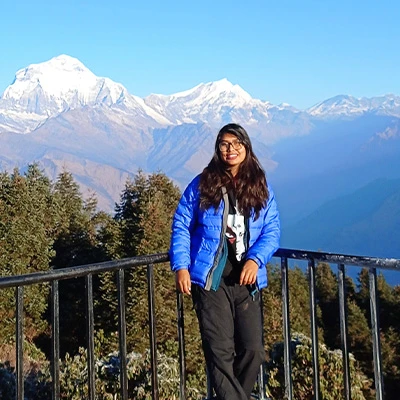
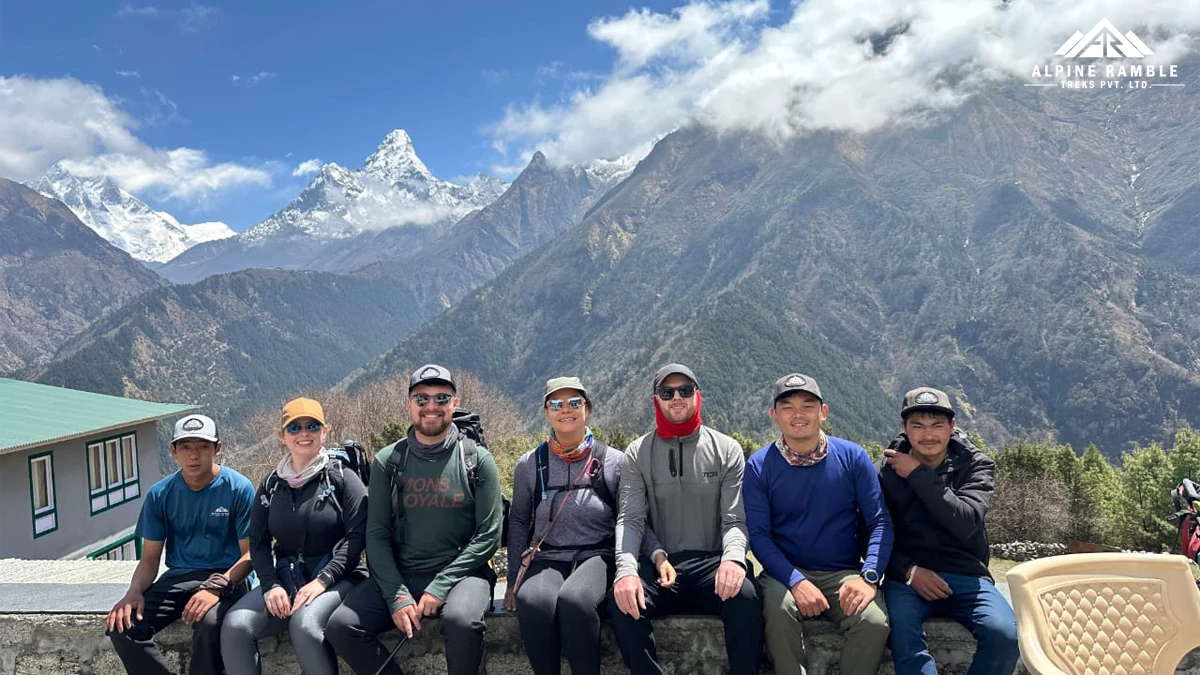
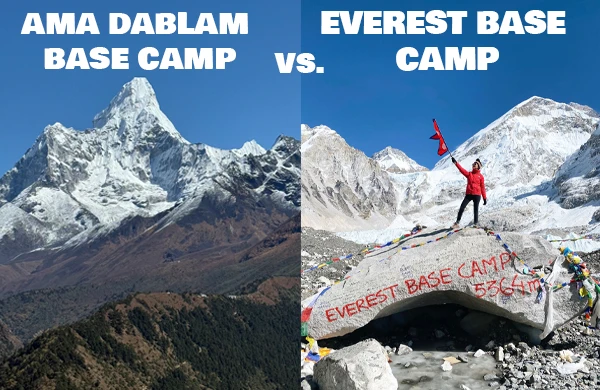
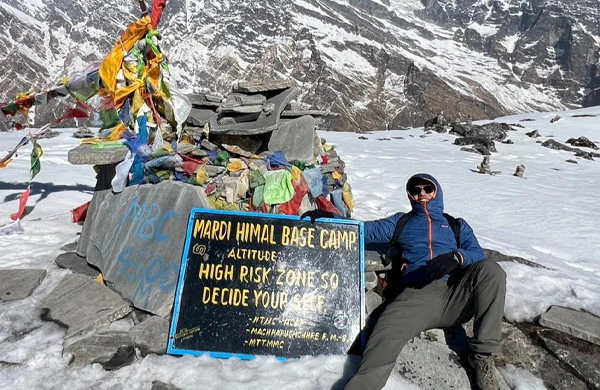
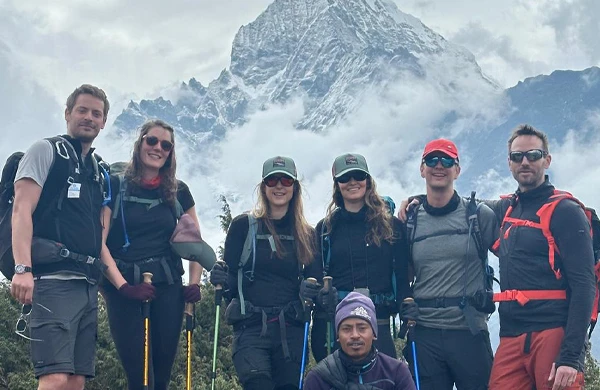
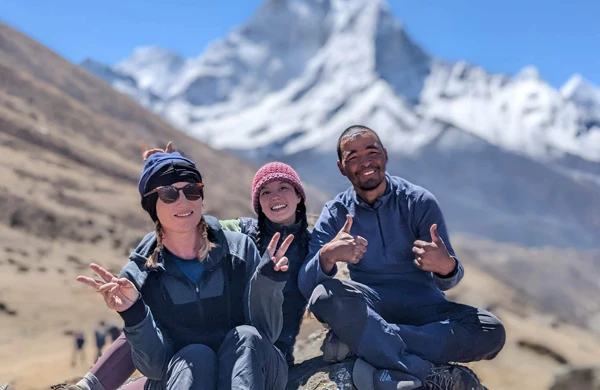
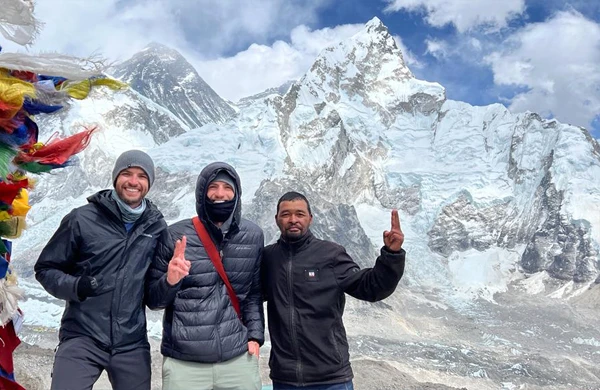
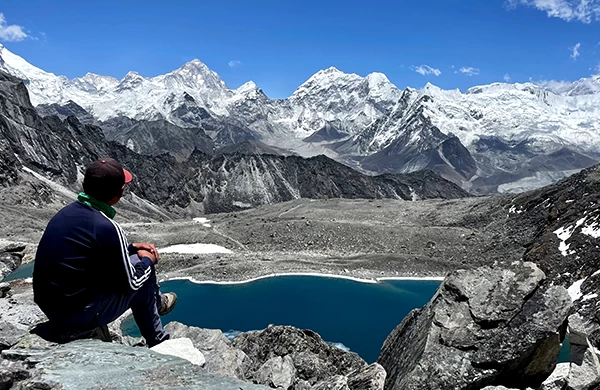
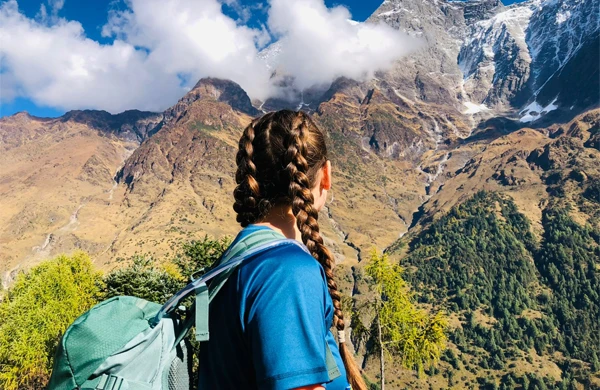
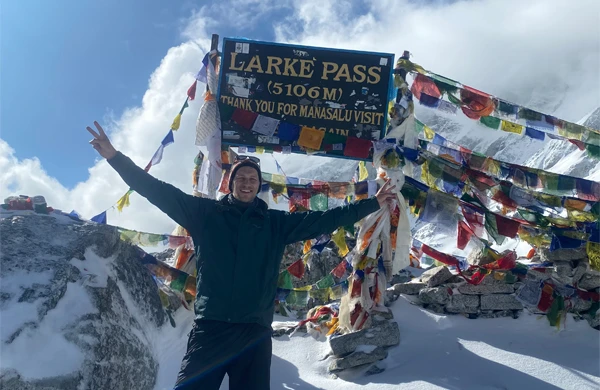
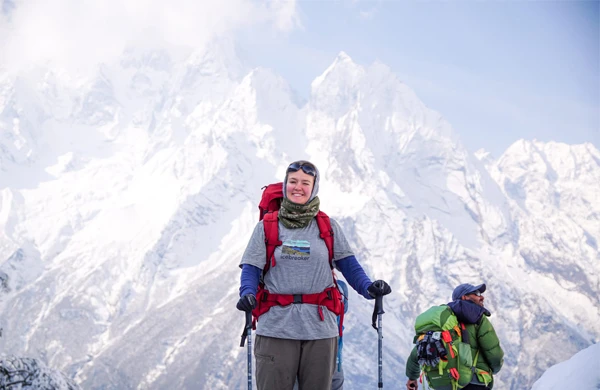
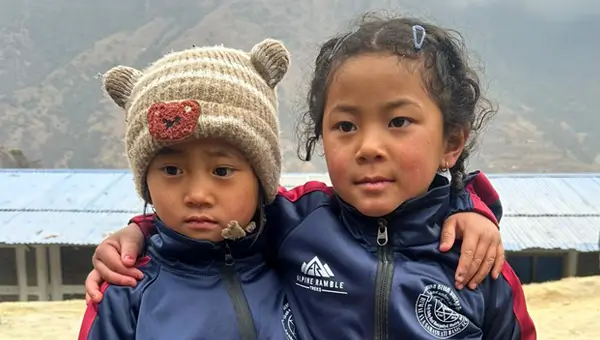
The destination is truly stunning, offering panoramic views of the towering snow-covered Himalayas, an alpine environment, glaciers, quaint Sherpa villages, and authentic Sherpa culture. The Everest Base Camp is not just a trek to reach to see Mount Everest but a life-changing journey filled with dramatic landscapes, spiritual encounters, and stories written with every step on the trail.
Adventure seekers across the globe have EBC on their bucket list, and many even want to summit Mount Everest. While seasoned trekkers may already know what to expect from the trail, those newly drawn to the mountains often begin with curiosity and uncertainty.
If 2026 is the year you finally dip your toes into the world of adventure trekking, you are in the right place. This guide brings together everything you need to plan and prepare for your journey to Everest Base Camp.
Why Trek to Everest Base Camp in 2026?
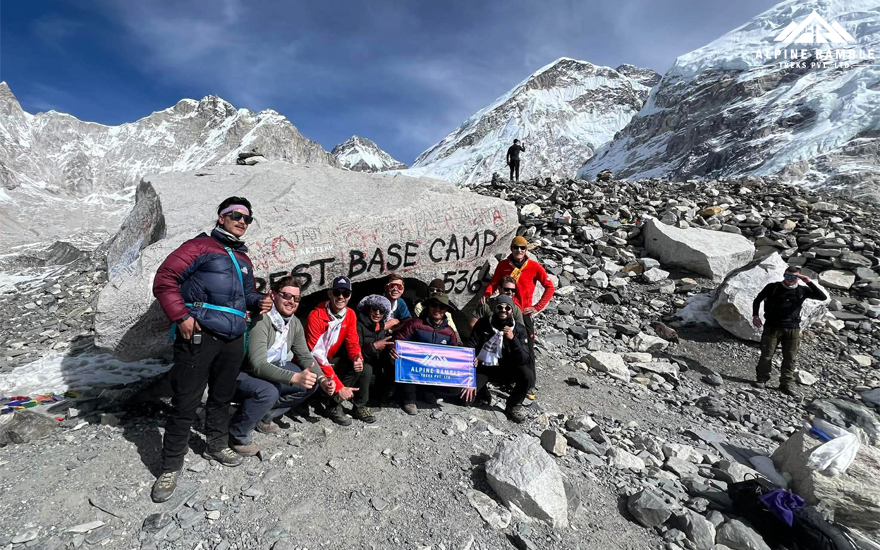
Make 2026 your year and plan a trek straight into the heart of the Himalayas. Watch the towering Mount Everest before your very eyes. Spin the prayer wheels of the ancient monasteries, cross some iconic landmarks, interact with the local villagers, and eat delicious local foods.
There have been many changes over the course of a few decades. Following the initial summit of Mount Everest, climbing and trekking enthusiasts converge on the same destination. And the base camp, like humanity, has been welcoming new changes despite the occasional setbacks like earthquakes and pandemics.
There have been infrastructure upgrades, with airports and helipads, improvements in logistics and accommodation, and overall better rules and regulations on conducting the treks and expeditions themselves.
The Everest Base Camp Trek 2026 has now become more affordable, more accessible, and more thrilling and offers more diverse experiences. A trip that now can be customized as per your budget, your time, and any other requirements.
Everest Base Camp Trek Highlights
Everest Base Camp Trek Highlights at a Glance
Max Altitude: 5,364 m
Trek Duration: 12–14 days
Trek Distance: ~130 km
Best Seasons: Spring & Autumn
Accommodation: Tea Houses or Trekking Lodges
Difficulty Level: Moderate to Challenging
There is a reason why the Everest Base Camp comes into the top 10 trekking destinations in the world. From natural wonders to one-of-a-kind Sherpa culture and everything in between, it can be experienced in a single trekking adventure. Here are the highlights of trekking to the Everest Base Camp in 2026:
Experience Snapshots
A photographer’s paradise that exposes the trekkers to all sorts of adventure from the moment the trek begins with that thrilling flight to Lukla. From the first step into the trail of the EBC, every step is snapshot-worthy. Just make sure you have enough storage on your device because every click is meant to be kept.
Here’s what to expect on the trail leading up to the Everest Base Camp:
Panoramic Mountain Views
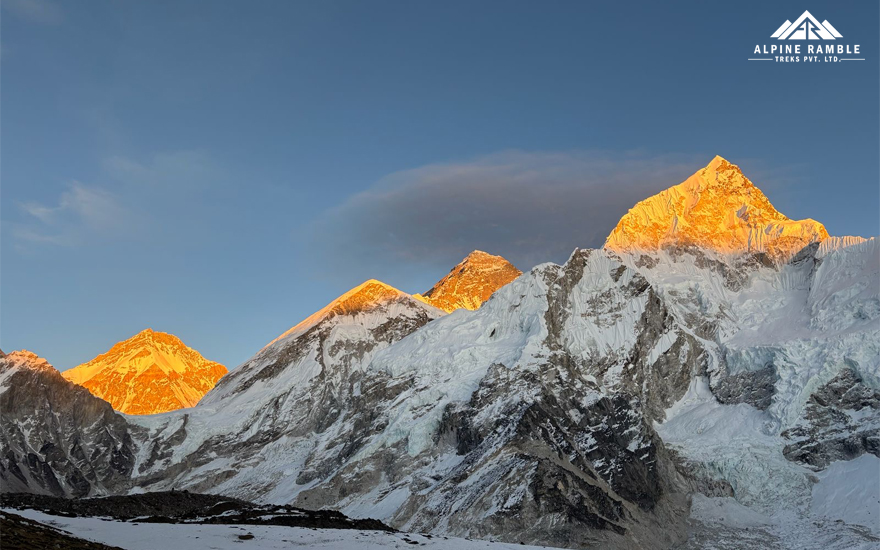
Let’s begin with the most obvious one, which is the jaw-dropping panoramic mountain views. Apart from Mount Everest (8,848.86 m), the world’s highest peak, other equally iconic jagged summits include Lhotse (8,516 m), the fourth highest mountain; Ama Dablam (6,812 m), the Himalayan jewel; Nuptse (7,861 m), a massive ridge right next to Everest; Pumori (7,165 m), known as "Everest's Daughter"; and other notable Peaks such as Cho Oyu (8,188 m), Makalu (8,485 m), Island Peak (Imja Tse), Lobuche East/West, Thamserku, Kangtega, Taboche, and Kusum Kangaru, which can be seen during the trek.
And many of these mesmerizing mountains will be available for your viewing pleasure from a multitude of perspectives. So, taking one or two pictures will not be enough.
Sherpa Villages
Sherpas are known worldwide for their superhuman strength and their contribution to the mountaineering and trekking industry. So when most people think about Sherpas, they imagine men at the top of the mountains, but Sherpas are actually an ethnic group who mainly reside in the northeastern part of Nepal.
And in the Everest region, there are many villages full of the Sherpa communities where they practice their own culture, religion, and traditions. Sherpa villages such as Namche Bazaar, Khumjung, Tengboche, Phortse, Pangboche, etc., fall on the trail leading to the Everest Base Camp. These picturesque villages reflect culture and history along with warm and welcoming hospitality from the Sherpas.
Buddhist Monasteries
The Himalayas have always been a sacred place in both Hinduism and Buddhism, so the followers of both religions harbor the utmost respect and a sense of spirituality there. Especially for the Sherpas, who view the mountains as their gods and goddesses, deities to be worshipped. Even the local name of Everest, “Chomolungma,” means the "Goddess Mother of the Earth" in Tibetan.
Therefore, there are many small and big monasteries along the trail to Everest Base Camp. Tengboche Monastery is the largest monatery, in the entirety of the Khumbu Region. It is also known for hosting festivals like Mani Rimdu. Other sacred monasteries include the Pangboche Monastery, which is known to be the oldest monastery in Khumbu, and the Khumjung and Phortse Monasteries, which are also equally revered by the Sherpa communities.
Kala Patthar Sunrise
The trek would not be complete without watching the sunrise from the top of the mountains. Kala Patthar, which translates to Black Stone, is one of the iconic landmarks on the route to Everest Base Camp. And it also happens to be the highest elevation you will reach during this trek at 5,545 meters (18,192 feet).
Usually taking two to three hours, the ascent from Gorak Shep rewards you with stunning views of Everest and the neighboring peaks.
Khumbu Glacier
Located in northeastern Nepal between Mt. Everest and the Lhotse-Nuptse ridge, the Khumbu Glacier is the world's highest (up to 7,600m) and Nepal's largest glacier. Mostly covered in rocky debris, the glacier moves at a rate of roughly 0.9 to 1.2 meters per day.
This part of the glacier is a dangerous, ever-changing, and disorganized moving icefall of seracs near the glacier's base. On the traditional South Col route to Everest's summit, it marks the main route that climbers take.
And aside from the grand views of the mountains and landscapes, your journey to the Everest Base Camp provides Journey Milestones that feel like your own personal achievements.
Trailhead Beginnings:
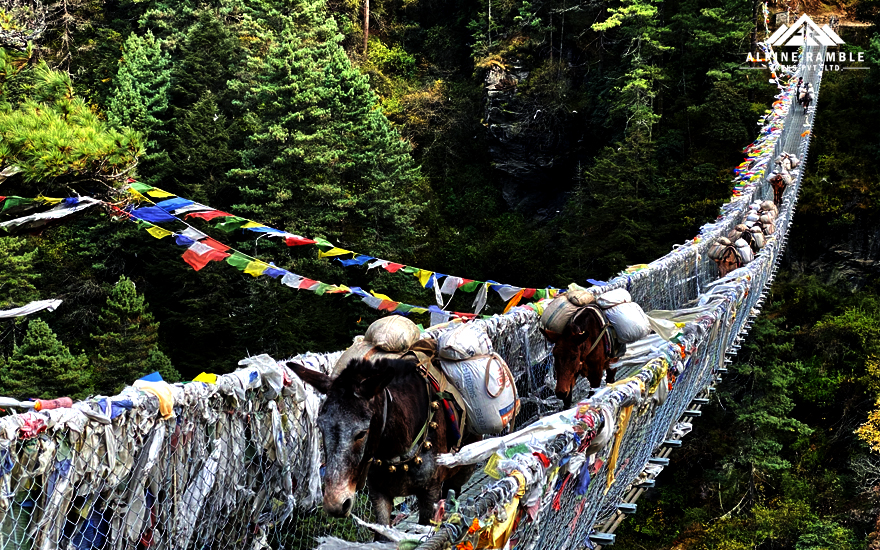
Standing at the trailhead, there is a quiet mix of excitement and nervous energy as the reality of the journey finally sinks in and the first steps toward Everest Base Camp begin.
Cultural Encounters:
The trek becomes more meaningful with every village you pass, as friendly locals, colorful prayer flags, and centuries-old traditions offer glimpses into a mountain culture that feels both humbling and inspiring.
High-Altitude Adventure:
With every gain in altitude, the air grows thinner and the trails more demanding, turning the trek into a powerful reminder of both nature’s intensity and your own inner strength.
The Ultimate Achievement:
Arriving at Everest Base Camp is an emotional moment that makes every challenging step worthwhile, filling you with pride, gratitude, and a sense of accomplishment that stays long after the journey ends.
From Landscape to Legacy
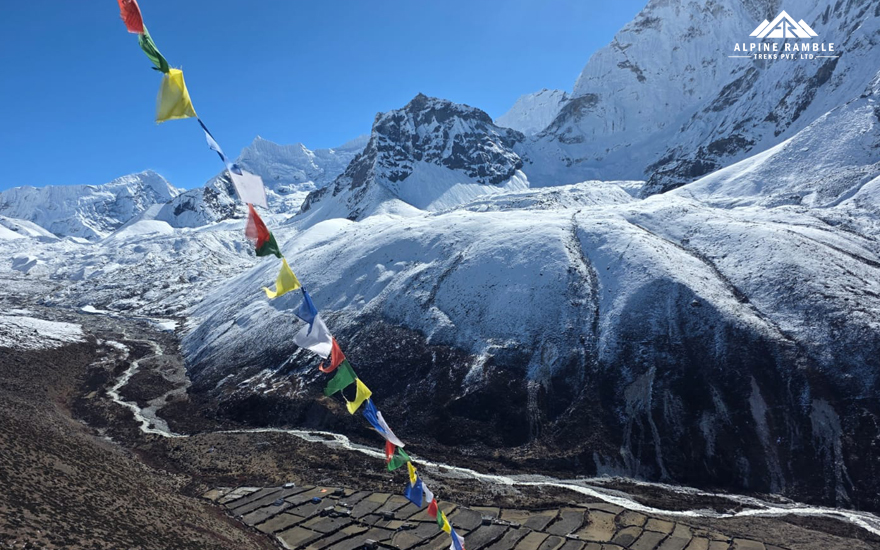
Natural Grandeur:
You will enter the Sagarmatha National Park, trekking through the trails while being surrounded by towering peaks, vast glaciers, and endless skies, you quickly realize that the Himalayas are not just seen but deeply felt.
Cultural Depth:
The Khumbu region is more than just dramatic scenery and tall mountains; within the trails reaching up to the base camp also lies a rich cultural world where monasteries, spinning prayer wheels, and spiritual rhythms reveal a lifestyle shaped by resilience and faith.
Personal Triumph:
This adventurous journey to the base of Mount Everest changes you in subtle but lasting ways, leaving you more confident, reflective, and aware of just how far determination can take you.
Everest Base Camp Trek Itinerary 2026
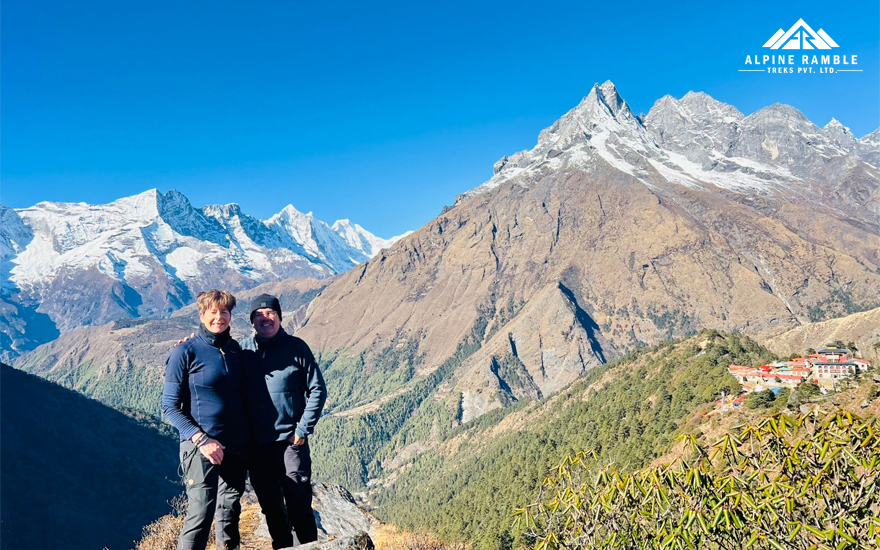
Let's now discuss the Everest Base Camp trek itinerary and determine which one is most suitable for you. When it comes to the itinerary for this trek, it remains pretty flexible and can be customized as per your time and budget. From low-cost trekking to high-end luxury experiences, you can pick and choose your own travel options, and here are a few options to choose from:
Standard 12–16 Day Itinerary
A typical standard itinerary for the Everest Base Camp trek expands from 12 to 16 days, depending on the acclimatization days.
Typical structure: Kathmandu arrival and Lukla flight
Phakding → Namche → Tengboche → Dingboche → Lobuche → Gorakshep → EBC
Luxury/Helicopter Return Itinerary
The luxury/helicopter return itinerary can be done within 8-10 days, where the main difference from a typical package will be staying at a premium tea house and, of course, a return from the Everest Base Camp to Lukla via helicopter. This is especially for those who can splurge and have a limited time frame to complete the trek.
Everest Base Camp Trek Distance & Duration
The total round trip distance from Lukla to Everest Base Camp and back is approximately 130 kilometers, or 80 miles. So, on average, the daily distance covered per day is approximately 10–15 kilometers.
The duration of the trek depends on the choice of transportation, acclimatization days, and pace of the trekker. Whereas a standard trek takes 14–16 days with flights to and from Lukla, the same itinerary with road transportation will take more days, but a helicopter return will take far fewer days.
Everest Base Camp Trek Cost 2026
When it comes to cost, everything pretty much remains the same even in 2026. While the world's obvious capitalism and unstable economy may cause price variations, the charges you incur remain constant. To understand it better, let's do a breakdown of what those costs entail:
Breakdown:
Traveling to any part of the world, spending money on the following is not only inevitable but also mandatory. If you decide to do the Everest Base Camp trek, here is how your costs will be divided:
- Flights/transportation Cost
- Permits Cost
- Guides/porters Cost
- Accommodation Cost
- Food Cost
- Personal Cost
Budget Trek Cost
Estimated Range: USD 1,050–1,350 per person
Typically Includes:
- Basic teahouse accommodation
- Local guide (sometimes shared)
- Permits
- Domestic flights (Kathmandu–Lukla–Kathmandu)
- Simple meals (limited menu choice)
Typically Excludes:
- Porter services (optional add-on)
- Hot showers, Wi-Fi, charging
- Gear rental
- Travel insurance
- International flights
Standard Guided Trek Cost
Estimated Range: USD 1,450–2,200 per person
(This is the most booked category globally.)
Typically Includes:
- Licensed guide + porter (1 porter per 2 trekkers)
- All permits
- Domestic flights
- Tea house accommodation (best available)
- Three meals per day
- Airport transfers
- Trekking map and duffel bag
Value Additions:
- Better lodges in Namche/Dingboche
- More flexible itinerary pacing
- Safety support (pulse oximeter, first aid)
Luxury Trek Cost
Estimated Range: USD 3,200–4,800+ per person
(Depends heavily on helicopter sectors and lodge availability.)
Typically Includes:
- Luxury lodges (Yeti Mountain Home, Everest Summit Lodge, etc.)
- Private guide and porter team
- Attached bathrooms where possible
- Premium meals and bakery access
- Helicopter return (sometimes included)
- Oxygen cylinder backup
- Hot showers & Wi-Fi included
Luxury Upgrades:
- Kathmandu 4–5 star hotels
- Private airport transfers
- Scenic helicopter flights
Permits Required for Everest Base Camp Trek 2026
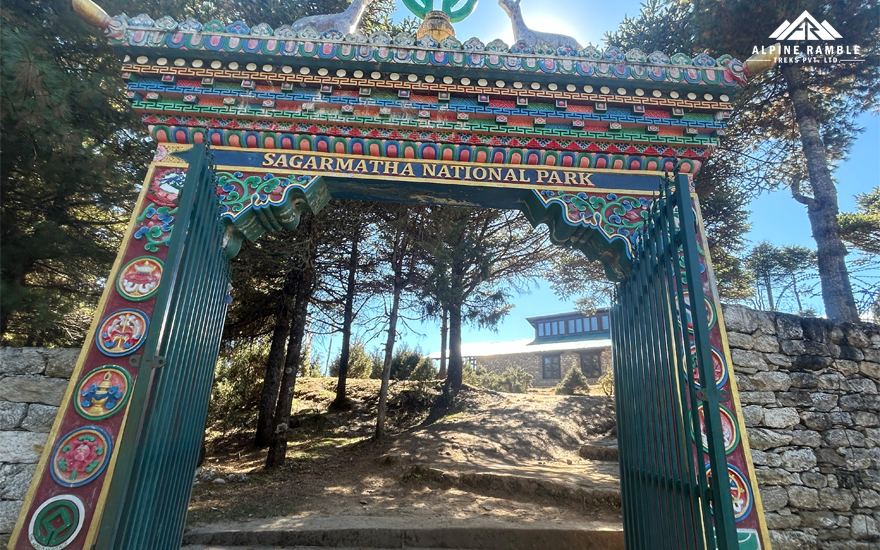
Acquiring permits before the trek begins is a crucial step when it comes to trekking in the Himalayas. Each region has its own set of permit requirements, and the permits required for the Everest Base Camp trek in 2026 are:
- Sagarmatha National Park Permit: NPR 3,000
- Khumbu Pasang Lhamu Municipality Permit: NPR 2,000
The Sagarmatha National Park permit can be acquired either from the Nepal Tourism Board in Kathmandu or at the entrance checkpost in Monjo, whereas the Khumbu Pasang Lhamu Municipality Permit can be obtained in Lukla or Monjo.
Best Time to Trek Everest Base Camp in 2026
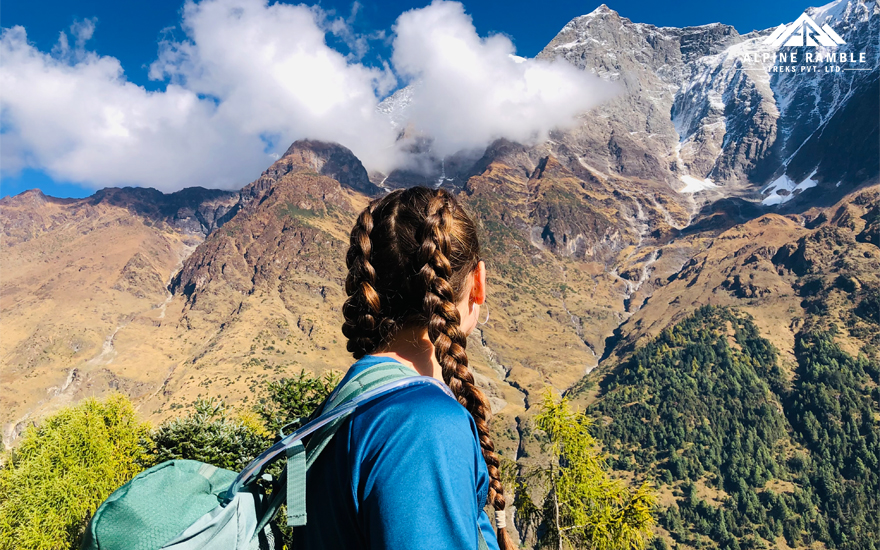
Best time to trek to the Everest Base Camp in 2026 is without a doubt Spring and Autumn. Known for the stable weather, clear visibility and moderate temperature, both seasons have been among the favorite times for many trekkers throughout the course of trekking history.
Here are the characteristics of different seasons so
Spring (Mar–May)
Stable weather, blooming rhododendrons, clear mountain views, moderate temperatures, busy trails, expedition season atmosphere
Average Temperature: Day: 5°C to 15°C, Night: -5°C to -10°C
Autumn (Sep–Nov)
Crystal-clear skies, best visibility, dry trails, festive season, peak trekking crowds, ideal temperatures
Average Temperature: Day: 5°C to 15°C, Night: -5°C to -10°C
Winter (Dec–Feb)
Cold temperatures, snowy landscapes, quiet trails, clear skies, icy sections, fewer trekkers
Average Temperature: Day: -5°C to 5°C, Night: -15°C to -25°C
Monsoon (Jun–Aug)
Frequent rainfall, lush greenery, cloudy views, wet trails, leeches in lower forests, least crowded season
Average Temperature: Day: 10°C to 20°C, Night: 0°C to 5°C
Everest Base Camp Trek Difficulty 2026
There are a few things to think about when it comes to difficulty, like your level of experience, your mental and physical fitness, and of course, the time of year you go trekking. The Everest Base Camp Trek is rated as moderate to difficult, depending on how fit you are, how much experience you have trekking, and how mentally strong you are. Expect to walk for 5 to 7 hours on rough Himalayan terrain.
The biggest challenge isn't distance but the high altitude, especially above 3,500 meters, where the air gets thinner as you ascend higher. To have a safe and successful Everest Base Camp, you need to plan ahead and maintain your pace as you go.
Altitude Sickness & Acclimatization
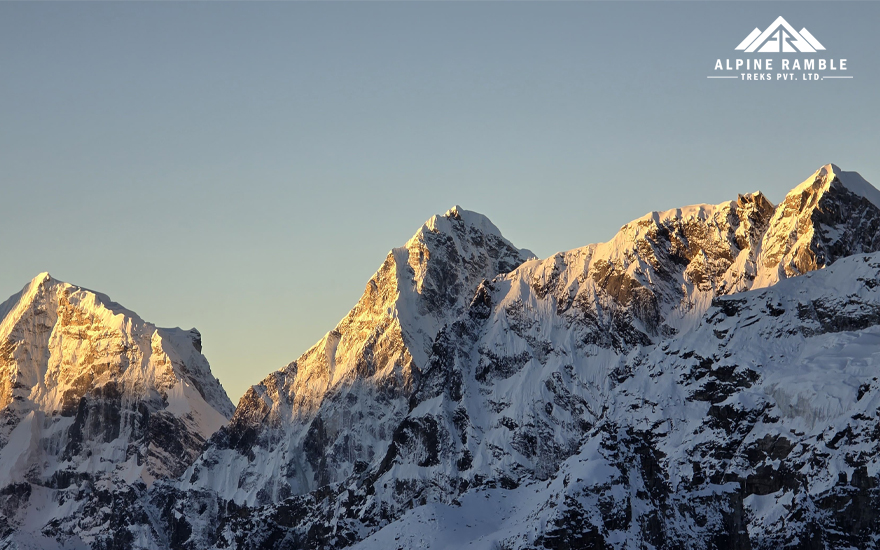
During the Everest Base Camp trek, the highest altitude is at Kala Patthar (5,545 meters, or 18,192 feet). Which means altitude is the primary risk during the trek, and taking proper measures to keep your body and mind healthy is important.
Acute Mountain Sickness (AMS) is one of the most common altitude-induced challenges for the trekkers. The symptoms for AMS include headache, nausea, dizziness, loss of appetite, and fatigue. So, Prevention is key, and here are a few ways to manage the AMS during the trek:
- Maintain proper hydration and diet
- Follow a slow and gradual ascent
- Include planned acclimatization rest days in Namche Bazaar and Dingboche
- Listening to your body and trekking responsibly greatly reduces altitude-related risks.
Accommodation & Food on the Trek
Most of the places to stay along the Everest Base Camp road are teahouses, which offer simple yet comfortable rooms. At higher altitudes, you can expect to share a room with twin beds and a bathroom.
You can choose from a variety of Nepali cuisine like dal bhat, noodles, soups, and potatoes, as well as simple Western dishes like pasta, pancakes, and eggs. Meals are high in carbs to give you energy at high altitudes.
Lukla Flights & Transportation 2026
Most people who hike to Everest fly from Kathmandu to Lukla, which is the first stop on the trip. Flights mostly operate from Ramechhap Airport during peak seasons because there is too much air traffic in Kathmandu.
Helicopter flights to Lukla are more expensive but more flexible and save more time. They are popular when there are delays or inclement weather.
- Kathmandu → Lukla flights
- Ramechhap diversions
- Helicopter options
2026 Requirements for Guides and Porters
According to the rules for tourists in Nepal, most trekkers must hire a licensed guide. A professional guide makes things safer, takes care of the logistics, and helps with altitude monitoring.
Porters are not required, although they are highly suggested. The normal weight limit for a porter is about 20 to 25 kg, which is usually divided by two trekkers. Getting a porter to carry your stuff helps you save energy for climbing at high altitudes.
Packing List for Everest Base Camp Trek
Clothing: Down jacket, thermal base layers, trekking pants, waterproof shell, gloves, hat
Gear: Sleeping bag (-10°C to -15°C), trekking poles, sturdy boots, daypack
Documents: Passport, travel insurance (covering high-altitude trekking), permits
Electronics: Power bank, headlamp, universal adapter, camera/phone
Packing light but efficiently is crucial for comfort on the Everest Base Camp trek.
Training for Everest Base Camp Trek 2026
- Start training at least 8 to 12 weeks before the trek. Focus on:
- Cardiovascular endurance, such as hiking, stair climbing, or running
- Leg strength training
- Core stability exercises
- Long walks with a loaded backpack
- Mental preparation is equally important, especially for sustained high-altitude trekking days.
How to Book Everest Base Camp Trek 2026
You can go on a group trek with other people to save money and make friends, or you can go on a private trip to have more freedom and set your own pace.
If you plan your trip to Everest Base Camp 2026 early, you'll have a higher chance of getting a flight, a place to stay, and professional guides. Most companies ask for a deposit of 10% to 30% of the total cost to confirm your booking. The rest of the money is due before you arrive or at the start of your trip.
Conclusion
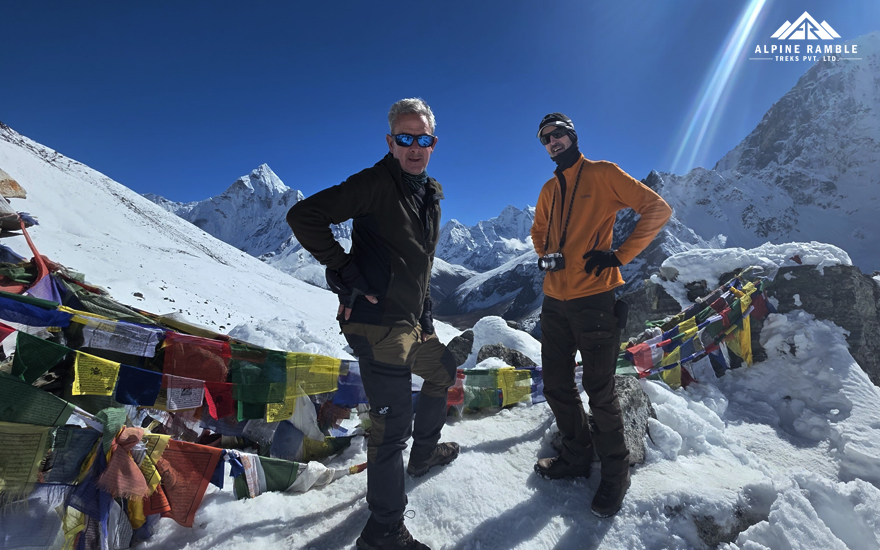
2026 is the year for you if you've always wanted to hike to the Everest Base Camp. A thrilling trip that takes you to the base of the highest mountain in the world. It is a memorable adventure that combines the beauty of the Himalayas, the richness of the culture, and the sense of accomplishment. From the excitement of arriving in Lukla to the emotional moment of standing at Base Camp, every step along the trek is a narrative of adventure and strength.
2026 is the perfect moment for both new and experienced trekkers to arrange this famous trip. The logistics of trekking are better, the seasonal operations are more stable, and there are many different styles of trekking to choose from. The Everest region has it all: stunning scenery, a chance to learn about different cultures, and the thrill of tackling a bucket-list task.
As you start to plan your Everest Base Camp Trek for 2026, the experience will depend on how well you prepare, who you ask for help, and what time of year you choose to go. And when you finally get to stand under the shadow of Everest, you'll understand that the trip was never only about getting there but also about seeing things from a new angle along the way.
Frequently Asked Questions (FAQs)
Is 2026 a good year to trek to Everest Base Camp?
Yes, 2026 is expected to be an excellent year with stable trekking operations, reliable flights, and well-managed trail logistics.
How much does the Everest Base Camp Trek cost in 2026?
The costs typically range from USD 1,500 for budget treks to around USD 5,000 for luxury experiences.
What is the best time to do the Everest Base Camp Trek in 2026?
Due to having better visibility, favorable weather, and moderate temperatures, spring and autumn are the best choices to do the Everest Base Camp Trek in 2024.
How difficult is the Everest Base Camp Trek for first-time trekkers?
The Everest Base Camp trek is considered a moderately challenging trek, but it is entirely possible for beginner trekkers with good fitness and proper acclimatization.
How many days are required for the Everest Base Camp Trek?
Depending on your schedule and budget, the days for the Everest Base Camp trek can range from the standard 14 days or less.
What permits are required for the Everest Base Camp Trek in 2026?
You will need the Sagarmatha National Park Permit and the Khumbu Municipality Permit.
Do I need a licensed guide for the Everest Base Camp Trek in 2026?
Yes, hiring a licensed guide for the Everest Base Camp Trek in 2026 is mandatory under Nepal’s trekking regulations for safety and compliance.
What is the total distance of the Everest Base Camp Trek?
The total distance of the round trip of the Everest Base Camp from Lukla is approximately 130 kilometers.
How high are Everest Base Camp and Kala Patthar?
The altitude of the Everest Base Camp is 5,364 meters, while Kala Patthar reaches 5,545 meters.
How can I prepare physically for the Everest Base Camp Trek 2026?
Training and exercise focusing mainly on cardiovascular strength, stamina building, long hikes, and stair climbing are the best ways to prepare for the Everest Base Camp Trek in 2026.
What kind of accommodation is available along the EBC trail?
Teahouses or trekking lodges are available along the EBC trail, offering a range of services from basic lodges to comfortable luxury mountain hotels. The higher you ascend, the more basic the services get.
What food options are available during the trek?
The food options on the EBC trail range from local Nepalese cuisine, like Dal Bhat, momo, etc., to western food, such as pasta, pizza, soups, and pancakes.
How reliable are Lukla flights in 2026?
The flights to Lukla depend on the weather condition, so during spring and autumn, the flights are regular but still rely on good weather.
Is travel insurance mandatory for the Everest Base Camp Trek?
Yes, travel insurance with coverage for emergency helicopter rescues up to 6000 meters is absolutely mandatory.
Can beginners trek to Everest Base Camp in 2026?
Yes, beginner trekkers can trek to the Everest Base Camp in 2026.
Are helicopter return options available from Everest Base Camp?
Yes, helicopter return options are available from Everest Base Camp.
When should I book my Everest Base Camp Trek for 2026?
You can book anytime for the Everest Base Camp Trek for 2026; just make sure to go through a trusted company and look at the weather forecasts.
Is Everest Base Camp Trek safe for solo or female trekkers?
Yes, the Everest Base Camp is safe for solo or female trekkers with a licensed guide and organized support; it is considered safe and well-managed.
Why is the Everest Base Camp Trek considered a life-changing journey?
Reaching one of the highest points on earth comes with physical challenges, cultural immersion, and emotional rewards.