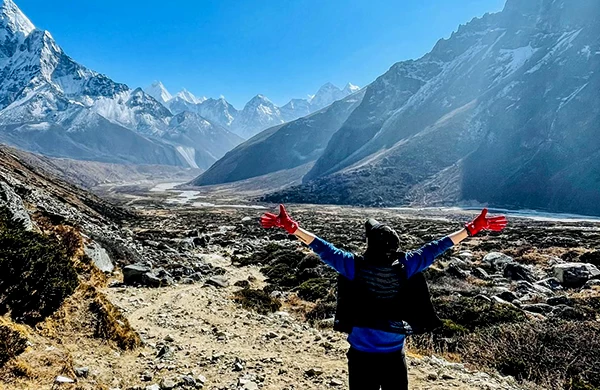
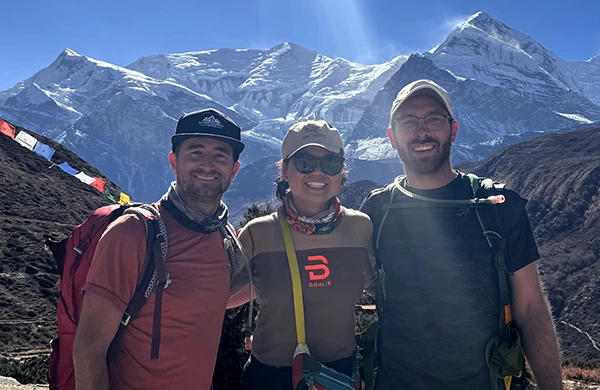
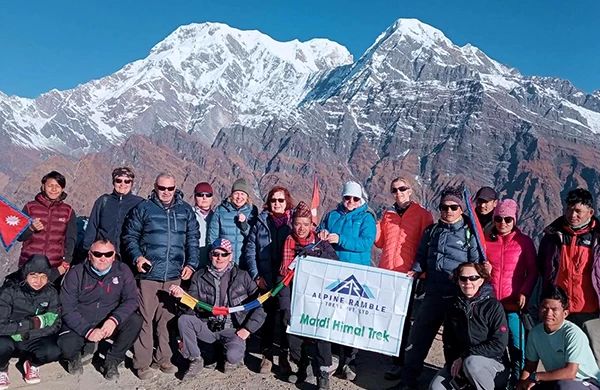
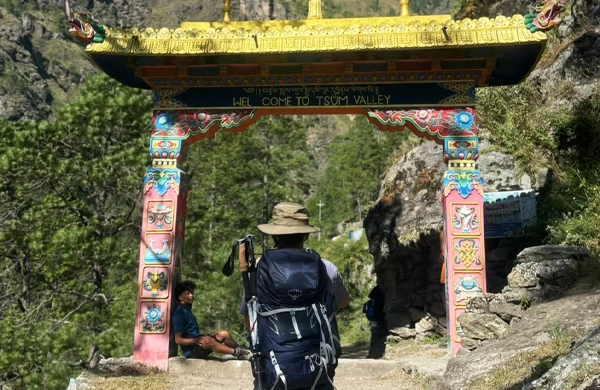
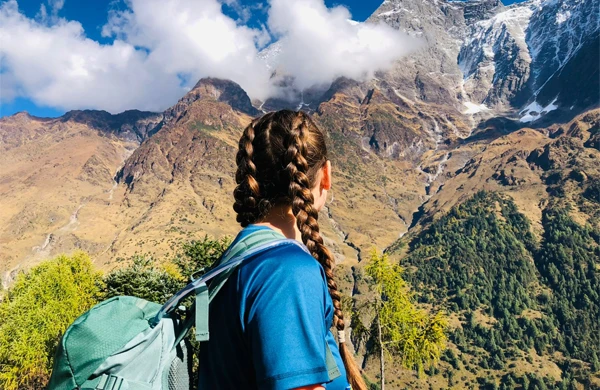
The journey goes up to the base camp of Mardi Himal, which is around 4,500 meters high. People who seek a gorgeous and immersive route without spending two weeks in the mountains often choose this one. The shorter length makes it enticing, but the experience is more than just easy. The walk has its own unique feel because of the varied scenery, the slow rise in altitude, and the open alpine areas.
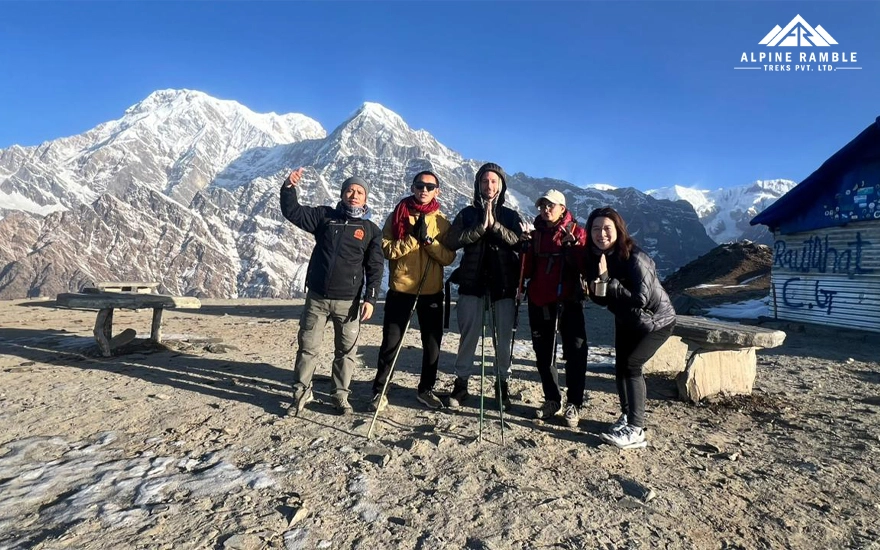
This guide to the Mardi Himal Trek is for people who want to know a lot of useful information before they decide if the trek is suited for them. It talks about the cost of the Mardi Himal Trek, the different itineraries you may choose from, the ideal time to travel, how hard the trek is, where to stay, what to eat, and what to expect along the way. This information will help you understand the trip better before you make any decisions, whether you're planning your first trek in Nepal or comparing Mardi Himal Trek packages with other short Himalayan treks.
Some information, such as route changes, road access, teahouse standards, and what's included in the current package, may change depending on the season and the operator. It's always a good idea to double-check the most up-to-date information before making a reservation.
Why Choose the Mardi Himal Trek?
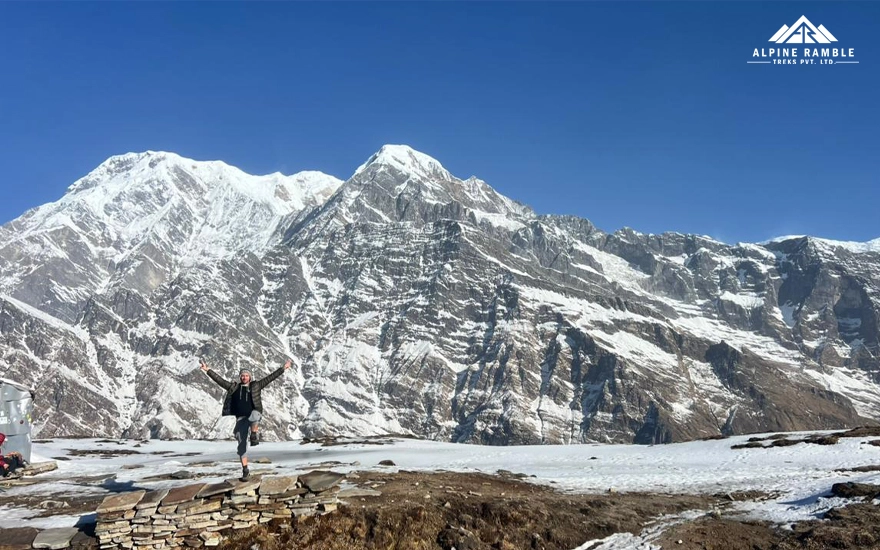
The Mardi Himal Trek is a great option for anyone who wants to hike in the Himalayas but doesn't have a lot of time. It has all the alpine scenery that makes hiking in Nepal so unforgettable. It is simpler to fit into a busy schedule than lengthier routes, yet it still has woodland paths, ridge walks, teahouse stays, and close views of the Annapurna range.
The Mardi Himal Trek is special because it has a good balance. People typically recommend it to first-time trekkers and vacationers who want a quieter route in the Annapurna region because it is short, beautiful, and easy to follow.
Why many trekkers choose the Mardi Himal Trek:
Shorter duration: most Mardi Himal Trek itineraries can be completed in less than a week
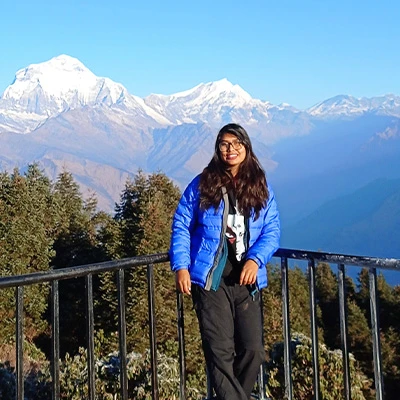
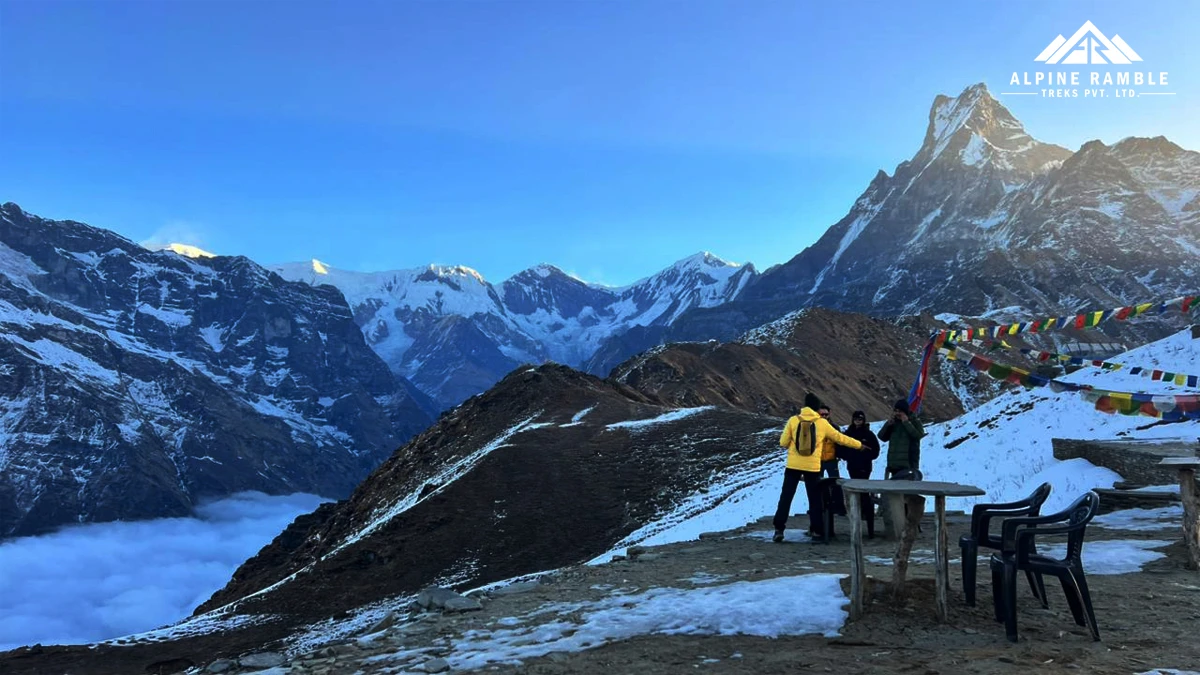
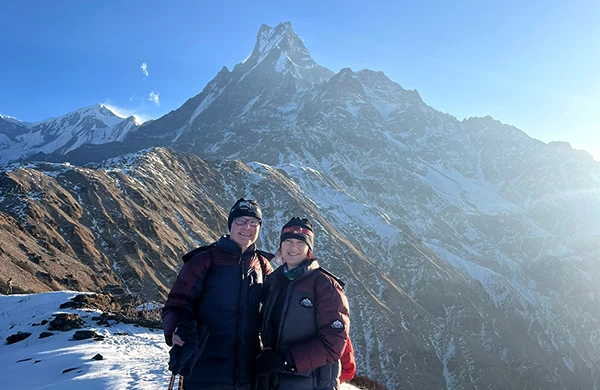
Great mountain views: especially Machhapuchhre, Annapurna South, and Hiunchuli
Less crowded trail: quieter than many of Nepal’s more famous trekking routes
Good for beginners: a solid option for those looking for a first Himalayan trekking experience
Easy to combine with Pokhara: ideal for travelers planning a short trek from Pokhara
Easily add other Annapurna destinations: The Mardi Himal Trek trail connects with multiple other routes of the Annapurna region
The trek is also worth it for the time it takes. You go from lower forested landscapes to open ridges and great overlooks in just a few days, which makes the trip feel completely unique. That's why the Mardi Himal Trek is worth considering for many people who are looking for short hikes in Nepal.
Mardi Himal Trek Itinerary Options
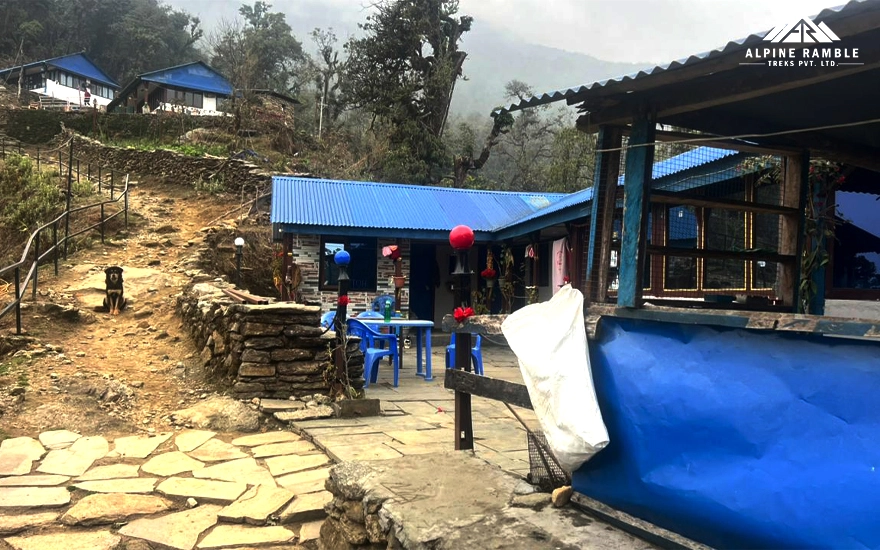
One of the reasons the Mardi Himal Trek itinerary suits so many travelers is its flexibility. Some people prefer a shorter version with a faster pace, while others want a slightly slower trek with more time to enjoy the trail and adjust to the altitude.
A few quick facts about the trek:
- Most Mardi Himal Trek itineraries take around 5 to 7 days
- Daily walking usually ranges from 4 to 7 hours
- The highest point is around 4,500 meters
- Most routes start from areas like Kande or Phedi and end via Siding before returning to Pokhara
The most common options are:
- 5 days for trekkers with limited time and a quicker pace
- 6 days for a more balanced short trek
- 7 days for a more relaxed and comfortable experience
Mardi Himal Trek Cost
The Mardi Himal Trek cost can vary depending on the itinerary, the services included, and the style of trek you choose. A shorter and simpler trip will usually cost less, while a longer Mardi Himal Trek itinerary with more support, extra hotel nights, or private transport will naturally cost more.
Instead of looking for one fixed Mardi Himal Trek price, it is more useful to understand what makes up the total cost.
What usually shapes the cost
- Trip length
- Guide and porter support
- Type of transport
- Meals and accommodation included
- Group size
- Season and comfort level
What is usually included
- Trek permits
- Licensed guide
- Teahouse accommodation
- Transport related to the trek
- In some packages, porter service, meals, and hotel stays
What usually costs extra
- Drinks and snacks
- Hot showers
- Charging and Wi-Fi
- Tips
- Personal expenses
- Gear rental, if needed
For many trekkers, the biggest difference in Mardi Himal Trek cost per person comes down to whether they want a more basic arrangement or a package with most logistics already organized. This variability is why prices can look quite different from one operator to another, even when the route itself is similar. But having an operator like Alpine Ramble Treks means every logistical requirement is overseen by the company while you can freely enjoy your treks without any restrictions.
Best Time for Mardi Himal Trek
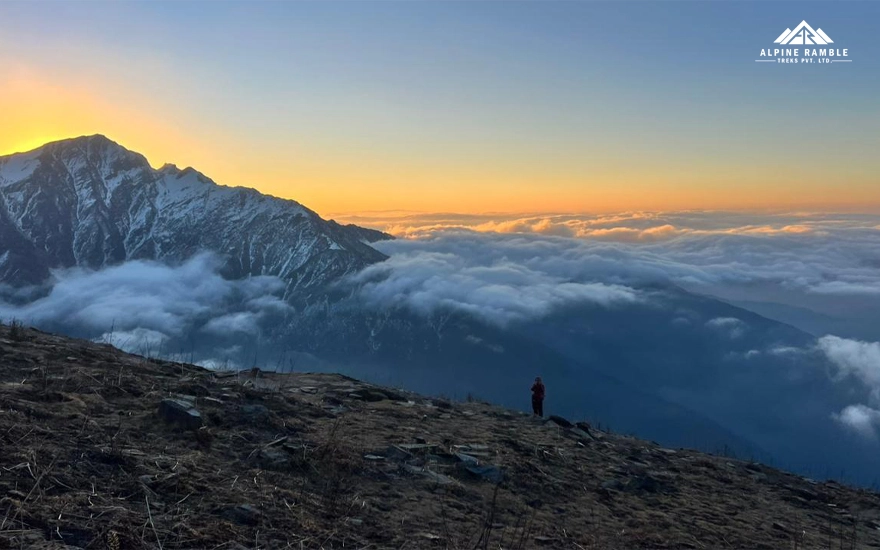
The best times to do the Mardi Himal Trek are usually in the spring (March to May) and fall (September to November), when the weather is more steady, the paths are usually drier, and the mountains are easier to see. The Nepal Tourism Board also says that the weather in Nepal is usually clearer after the monsoon. In the winter, it is cooler, the days are shorter, and in the spring, it can rain or snow at higher elevations.
When choosing a season, think about what matters most to you: clear views, fewer people, warmer weather, or a calmer trail. The weather on the Mardi Himal Trek changes a lot from season to season, and each one provides the trek a different vibe.
Spring: March to May
Spring is a great time to complete the Mardi Himal Trek because the weather is usually nice and the trail is full of blooming rhododendrons. The views of the mountains can be very good; however, clouds might sometimes build up in the afternoon.
- Good balance of temperature and visibility
- Rhododendron forests are a major highlight
- Popular with first-time trekkers and photographers
Autumn: September to November
Mardi Himal Trek in autumn is often considered the best overall season, especially for clear skies and wide mountain views. Since it comes after the monsoon, the air is often cleaner and the landscapes look fresh, which is why autumn is also one of the peak trekking seasons in Nepal.
- Best season for clear mountain views
- Stable weather in most weeks
- Trails are busier than in the off-season
Winter: December to February
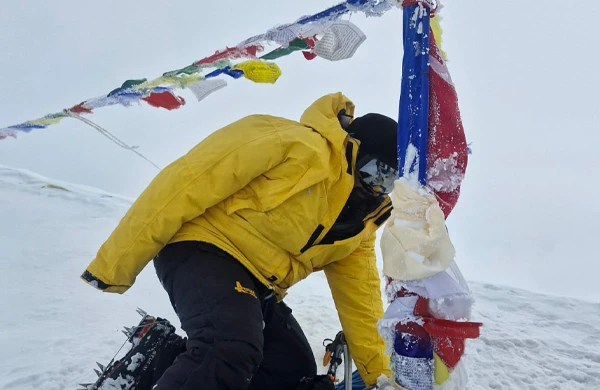
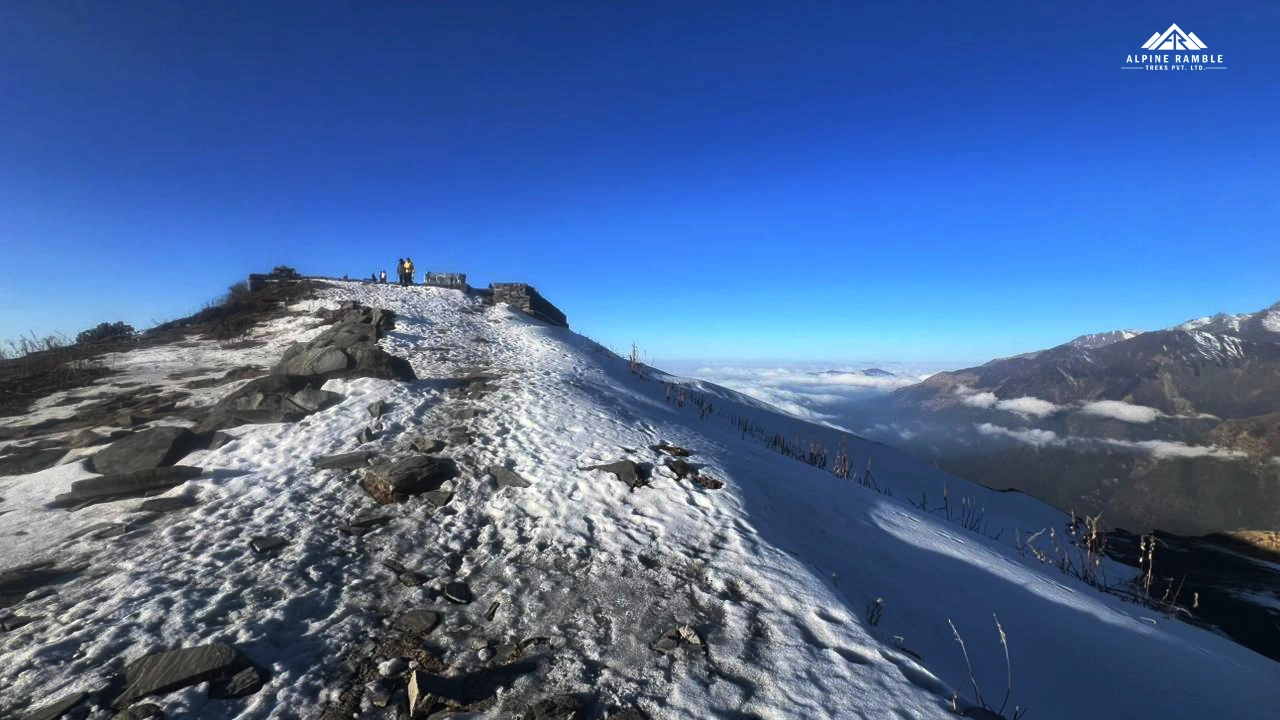
Winter is possible for the Mardi Himal Trek, but it is colder and can be more challenging at higher points on the route. Snow, icy sections, and shorter daylight hours can affect both comfort and trail conditions, especially near High Camp and above.
- Quieter trail and fewer trekkers
- Cold mornings, nights, and possible snow
- Better suited to those prepared for winter conditions
Monsoon: June to August
Monsoon is usually the least favored time because heavy rain, wet trails, leeches, and cloud cover can make the trek less comfortable and reduce the views. Recent seasonal guides note that visibility can drop sharply during this period, especially when cloud and rain persist for days.
- Warm but wet conditions
- Higher chance of muddy trails and limited views
- Less crowded, but less reliable for mountain scenery
Best Season for Views, Trail Conditions, and Fewer Crowds
If your priority is the clearest mountain views and the most reliable conditions, autumn is usually the strongest choice. If you want blooming forests and a slightly softer feel on the trail, spring is also excellent. Winter can suit trekkers looking for quieter trails, while monsoon is generally chosen only by those who are flexible about weather and visibility.
How Difficult Is the Mardi Himal Trek?
Most people think that the Mardi Himal Trek is not too hard. It's not a hard journey, and many people who do it for the first time do it, but there are still steady uphill climbs, uneven pathways, and greater altitudes near the top of the route. Most guides say that it is manageable for beginners who are in good shape, but easy in the casual sense.
For a lot of people that travel, the hardest part isn't the path itself but the fact that they have to walk for hours every day and climb altitude quickly. You may anticipate walking for between 4 and 7 hours a day on a normal route. There will be some longer and steeper parts as you get closer to High Camp and the observation region.
That is why the trek is often seen as a good option for beginners, but not for people looking for an effortless walk. A useful way to think about it is this:
- Suitable for first-time trekkers with basic fitness and some preparation
- Moderate daily effort, especially on uphill days
- Altitude matters, even though the trek is shorter than many classic routes
- No technical climbing skills are needed
- Better suited to active travelers than to those completely unprepared
If you can walk for several hours a day, handle repeated uphill sections, and prepare a little before the trek, the Mardi Himal Trek for beginners is usually very realistic. It may feel harder for travelers with no hiking background, knee issues, or difficulty adjusting to altitude, especially on shorter itineraries with less time to pace the ascent.
What to Expect on the Mardi Himal Trek?
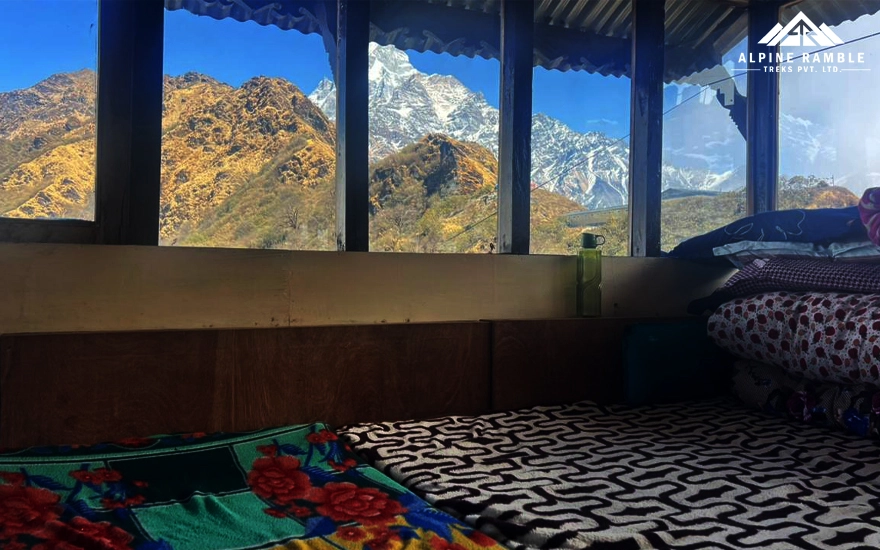
The Mardi Himal Trek experience is simpler and quieter than many of Nepal’s bigger trekking routes, but that is also part of its appeal. The trail changes quickly as you go higher, and each day feels a little different, from shaded forest paths to open ridges with wide mountain views. If you are planning a teahouse trek in Nepal for the first time, Mardi Himal gives you a good mix of comfort, challenge, and scenery without feeling overly long or complicated.
What the trail is like
- Forested paths in the lower section
- Stone steps and uphill climbs on many parts of the route
- Narrow ridge sections higher up
- Uneven ground in places, especially after rain
The trail is not technical, but some days can feel steeper than people expect, especially as you move above Low Camp.
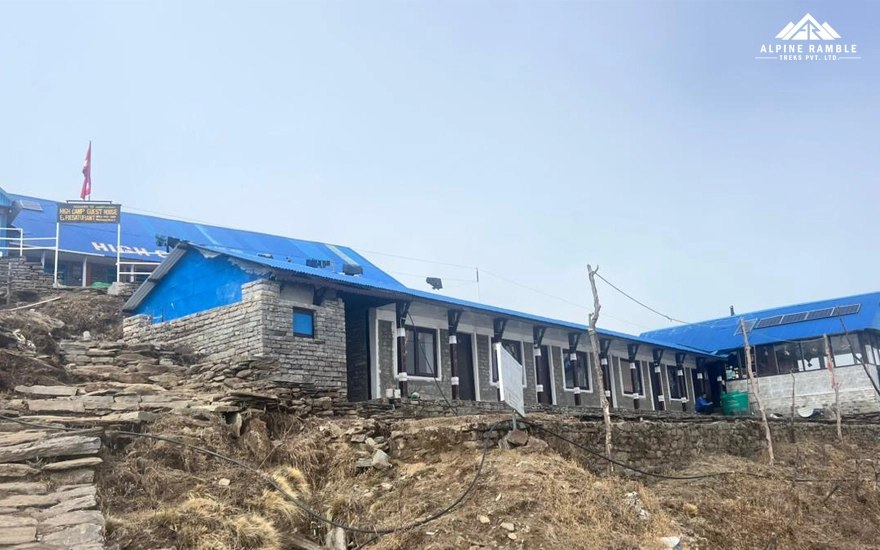
What teahouse stays are like
- Simple twin-sharing rooms
- Basic beds with blankets
- Dining hall as the main shared space
- More basic facilities at higher stops
The Mardi Himal Trek is a classic teahouse trek in Nepal, so comfort is simple rather than luxurious. As you go higher, the lodges usually become more basic.
Food and drinks on the trek
- Dal bhat, noodles, fried rice, soup, potatoes, eggs, and pancakes are common
- Tea, coffee, hot lemon, and bottled or boiled water are usually available
- Menus are fairly similar from one stop to another
Food is generally simple, filling, and aimed at trekkers. The higher you go, the fewer choices you may have.
Toilets, showers, charging, and Wi-Fi
- Toilets are usually basic and shared
- Hot showers may be available for an extra charge
- Charging is often paid separately
- Wi-Fi may be available in some places, but it is not always reliable
These small extras are normal on the trail, so it helps to expect basic services rather than hotel-style comfort.
Mountain views and changing weather
- Early mornings often give the clearest mountain views
- Clouds can build up later in the day
- Weather can change quickly at higher altitudes.
- Views of Machhapuchhre are one of the main highlights
One of the best parts of the trek is how the scenery opens up as you gain height. The higher section feels much more exposed, with bigger views and a stronger mountain atmosphere.
Typical daily rhythm on the trail
- Breakfast at the teahouse
- Several hours of trekking with breaks along the way
- Lunch at a trail stop or lodge
- Arrival at the next teahouse in the afternoon
- Dinner and an early night
Most days follow a simple pattern, which is part of what makes the trek easy to settle into. Once you get into the routine, the days feel steady and focused on walking, eating, resting, and enjoying the surroundings.
Permits, Guide Rules, and Practical Logistics
Before planning the Mardi Himal Trek, it helps to understand the practical side of the trip. This includes the Mardi Himal Trek permits, current guide rules, and how you actually reach the trail from Pokhara. Since trekking rules in Nepal have changed in recent years, this is one part of the guide that should always be checked against the latest official information.
Permits required for Mardi Himal Trek
For the Mardi Himal Trek, trekkers generally need the Annapurna Conservation Area Permit (ACAP) and a TIMS card. Mardi Himal is not a restricted-area trek, so it does not require the kind of special restricted-area permit used for places like Upper Mustang or Manaslu.
Permit costs
The exact Mardi Himal Trek permit cost can vary by nationality and current regulation, but official and semi-official sources show TIMS fees differ for group trekkers and FITs, with lower rates for SAARC nationals. ACAP is a separate conservation-area entry permit, so trekkers should budget for both rather than only one permit.
Do you need a guide?
If you are wondering, do I need a guide for the Mardi Himal Trek, the current official position is that a licensed trekking guide and agency-issued TIMS card are mandatory on most listed trekking routes under the revised TIMS provision effective from March 31, 2023. That means trekkers should treat guided trekking as the expected rule rather than an optional add-on.
Getting to the trailhead from Pokhara
Most Mardi Himal Trek from Pokhara itineraries begin with a short drive to the starting point, usually via Kande, Phedi, or another nearby access point depending on the route variation. This is one reason Mardi Himal is considered one of the more convenient short treks in the Annapurna region, as it can be reached without domestic flights. Based on current trekking practice, Pokhara remains the main gateway for the trek.
Accommodation and Food on Mardi Himal Trek
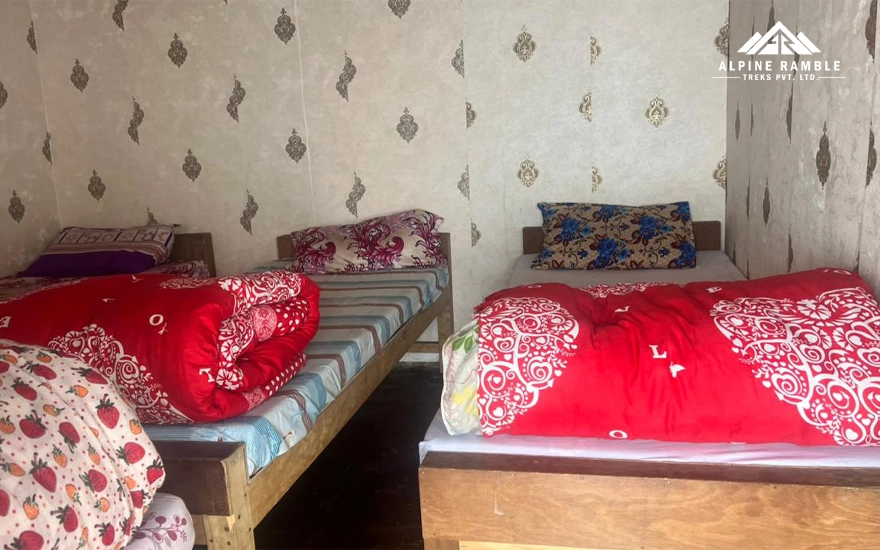
Accommodation and meals on the Mardi Himal Trek are usually simple, practical, and built around the teahouse system that is common on many trekking routes in Nepal. Most trekkers stay in small lodges along the trail, where the focus is on basic comfort rather than luxury. Recent Mardi Himal guides describe the lodges as basic but adequate, with common dining spaces, shared bathrooms, and facilities that become more limited as you go higher.
What the teahouses are like
- Small, family-run lodges along the trail
- Common dining room as the main shared space
- Basic but functional facilities
- More simple and limited at higher stops
Room type and sleeping arrangements
- Mostly twin-sharing rooms
- Beds with blankets are usually provided
- Shared bathrooms are common
- Bringing a sleeping bag is still a good idea for extra warmth and comfort
Common meals and drinks available
- Dal bhat, noodles, fried rice, soup, potatoes, eggs, and pancakes are commonly available
- Tea, coffee, hot lemon, and drinking water are easy to find at most stops
- Menus are often similar from one teahouse to another
How comfort changes at higher stops
- Teahouses become more basic as you gain altitude
- Room availability can be more limited higher up
- Water options may also become more limited, with some recent guides noting bottled water is not available beyond Forest Camp/Rest Camp and boiled or filtered water is used instead
What to Pack for Mardi Himal Trek
A simple Mardi Himal Trek packing list should focus on layers, good footwear, and a few trail essentials. Since the weather can change quickly, it is best to pack light but make sure you have warm clothing, a waterproof outer layer, comfortable trekking shoes, and basic personal items.
Useful essentials include:
- Warm layers and a waterproof jacket
- Broken-in trekking boots or sturdy hiking shoes
- Water bottle, sunscreen, sunglasses, and snacks
- Headlamp, power bank, and personal medication
- Trekking poles and a small daypack
When deciding what to pack for Mardi Himal Trek, the goal is to stay comfortable without carrying too much. The right trekking gear for Mardi Himal should help you handle both the trail and the changing mountain weather.
Is Mardi Himal Trek Worth It?
For many travelers, the answer is yes. If you are looking for a shorter trek in Nepal with strong mountain scenery, a quieter trail, and a manageable itinerary, the Mardi Himal Trek is worth considering. It is especially appealing for those who want a rewarding Himalayan experience without committing to a much longer route.
The trek suits travelers who want:
- a shorter trekking holiday
- close views of Machhapuchhre and the Annapurna range
- a quieter alternative to busier trails
- a route that feels scenic without being too long
At the same time, the trek may not suit everyone. If you prefer more village interaction, easier walking days, or a route with more developed facilities, another short trek in Nepal may fit you better. That is why, when comparing Mardi Himal vs other short treks, the best choice often depends on your time, fitness, and the kind of trail experience you want.
Content Summary
The Mardi Himal Trek is one of the best options for travelers looking for a short but rewarding Himalayan trek in Nepal. With its mix of forest trails, ridge walks, teahouse stays, and close mountain views, it offers a memorable experience without the longer time commitment needed for some of Nepal’s bigger trekking routes. For many first-time trekkers and those planning a shorter holiday, it strikes a practical balance between scenery, duration, and overall Mardi Himal Trek cost.
Whether you are comparing a Mardi Himal Trek itinerary, checking the best time for Mardi Himal Trek, or trying to understand what to expect on the trail, the most important step is to choose the version of the trek that matches your time, fitness, and comfort level. The route may be shorter, but it still gives you a real taste of trekking in the Annapurna region.
If you are now thinking about planning your trip, take time to compare route options, inclusions, and guide support carefully. And if you want a smoother and more informed start, you can also explore our Mardi Himal Trek package to see what is included and whether it fits the kind of trekking experience you are looking for.
Frequently Asked Questions (FAQs)
Can I do the Mardi Himal Trek if I have never trekked before?
Yes, many first-time trekkers can do it with basic fitness and proper pacing. It is short, but the uphill sections and altitude still require preparation.
Is the Mardi Himal Trek harder than Poon Hill?
Yes, Mardi Himal is generally more challenging than Poon Hill because it reaches higher altitude and includes steeper sections. However, it also offers a stronger high-mountain experience.
Do I need previous high-altitude experience?
No, previous high-altitude experience is not required, but it helps to walk slowly and choose a sensible itinerary. The trek reaches around 4,500 meters, so altitude should still be taken seriously.
Can I see Machhapuchhre clearly from the trek?
Yes, Machhapuchhre is one of the main highlights of the Mardi Himal route. Clear views are most likely in the early morning and during spring or autumn.
Are there ATMs on the Mardi Himal Trek route?
No, you should carry enough Nepali cash before leaving Pokhara. Teahouses usually do not accept cards, and small cash is useful for drinks, snacks, charging, and showers.
Is Wi-Fi available on the Mardi Himal Trek?
Wi-Fi may be available in some teahouses, but it is not always reliable. It is better to treat internet access as limited once you are on the trail.
Can I charge my phone during the trek?
Yes, charging is usually available at teahouses for an extra fee. A power bank is useful because charging access can be limited at higher stops.
Do teahouses provide blankets?
Most teahouses provide basic blankets, but a sleeping bag is still recommended for warmth and comfort, especially in colder months.
Is Mardi Himal Trek safe for solo travelers?
The route is generally considered safe, but solo trekkers should still be careful with weather, altitude, navigation, and current guide rules. Trekking with a licensed guide can make the route easier and safer.
Can I combine Mardi Himal Trek with Annapurna Base Camp?
Yes, Mardi Himal can be combined with Annapurna Base Camp if you have enough time. This is a good option for trekkers who want both a quieter ridge route and the classic ABC experience.
What is the biggest mistake trekkers make on Mardi Himal Trek?
The biggest mistake is underestimating the trek because it is short. The route still has steep climbs, altitude gain, and basic facilities, so preparation matters.
How early should I book the Mardi Himal Trek?
For spring and autumn, it is better to book in advance because guides, porters, and teahouses can be busier. For off-season trips, more flexibility is usually possible.
Is travel insurance necessary for Mardi Himal Trek?
Yes, travel insurance is strongly recommended. It should cover trekking at high altitude and emergency evacuation.
Can I leave extra luggage in Pokhara?
Yes, most trekkers leave extra luggage at their hotel in Pokhara and carry only what they need for the trek. This makes the route much easier and more comfortable.
Is Mardi Himal Trek good for families?
It can be suitable for active families with older children or teenagers, but the itinerary should be paced carefully. Younger children may find the altitude and uphill sections difficult.