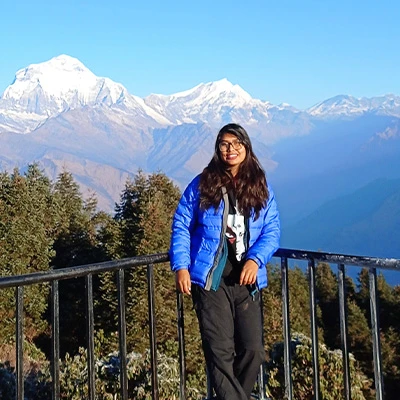
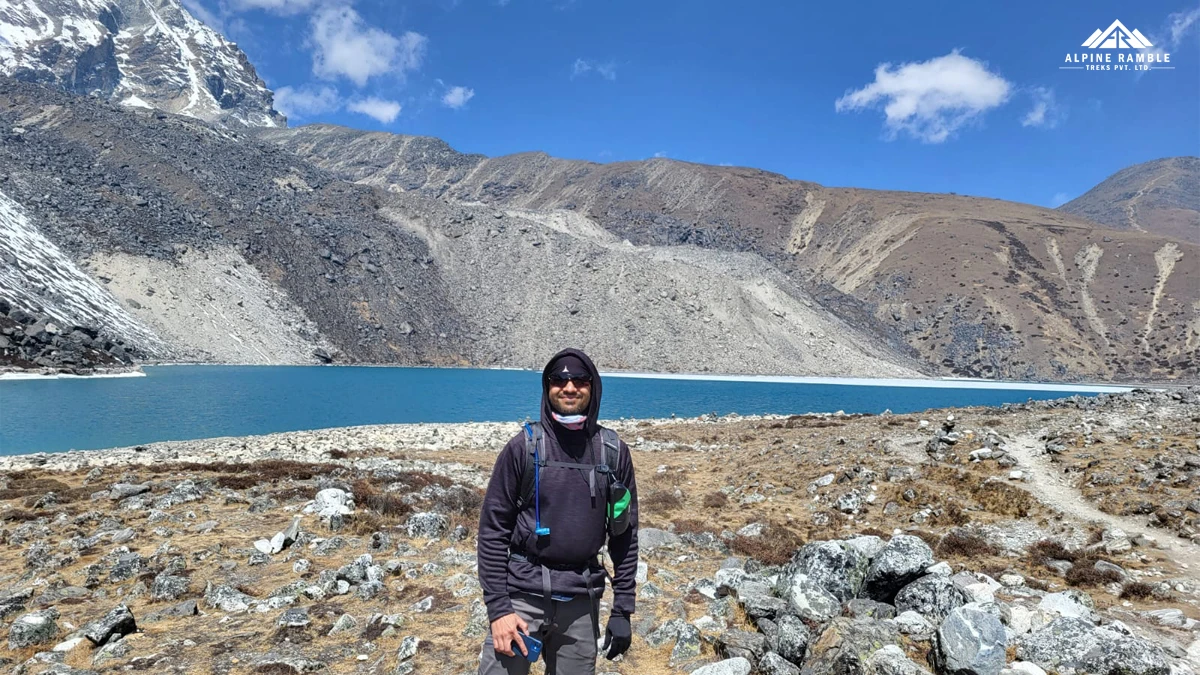
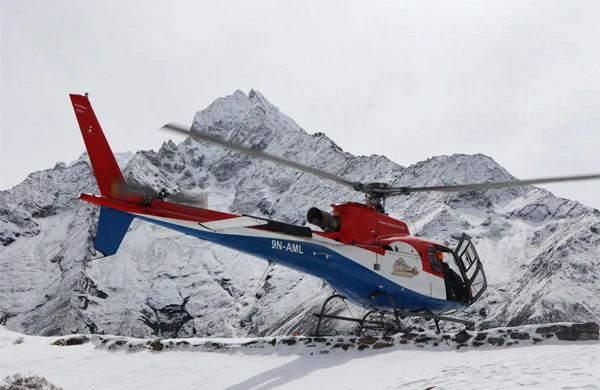
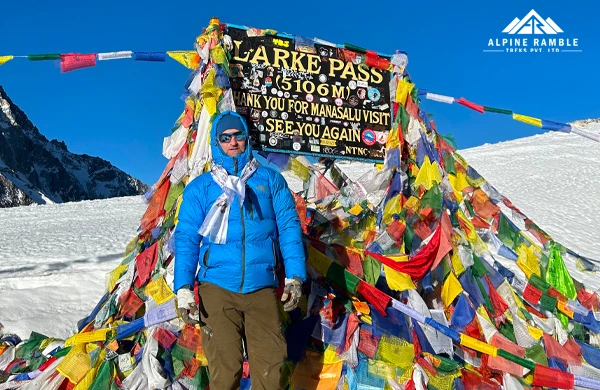
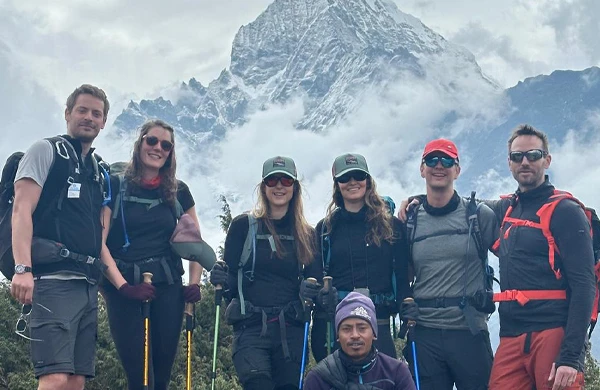
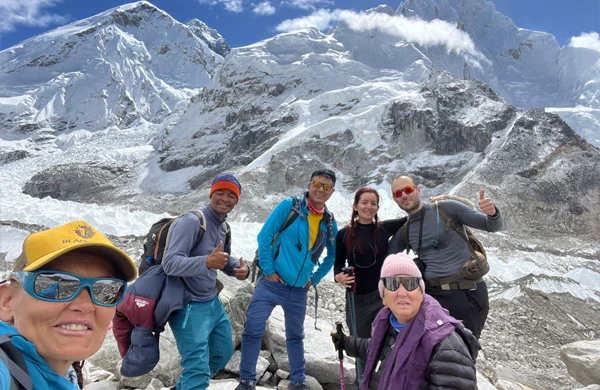
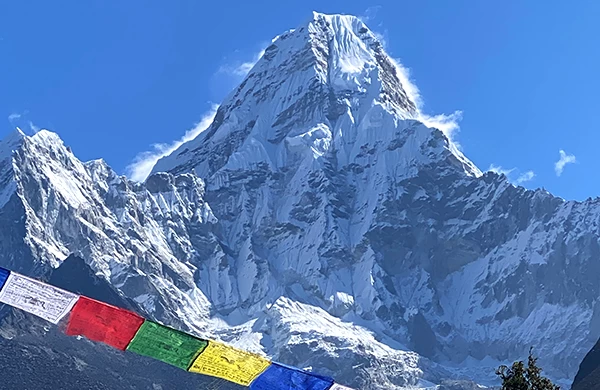
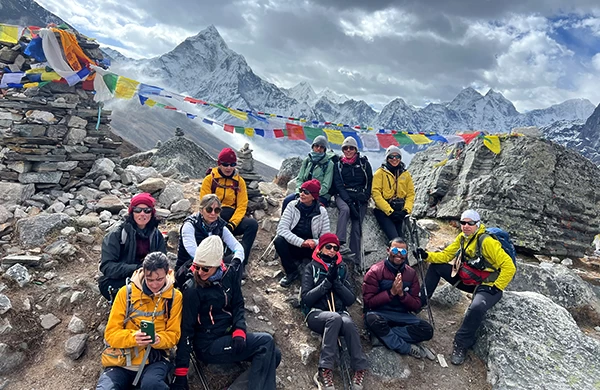
Aside from the trek to Gokyo, what makes this itinerary different from the rest is the return by helicopter after reaching Gokyo Lakes and hiking to Gokyo Ri. Instead of taking more days for descending down the same route, you will return via helicopter to Lukla which takes less than 30 minutes and saves time. And at the same time gives you an opportunity to witness an aerial view of the Gokyo region as the end of the trek.
This blog explains what the 7-day Gokyo Lakes Trek with Heli Return includes, how the itinerary works, what altitude you reach, what to expect on the trail, and whether this short Gokyo trek is the right choice for you so that you can make an informed decision that will turn your journey comfortable, efficient and memorable.
Quick Overview of the 7 Days Gokyo Lakes Trek with Heli Return
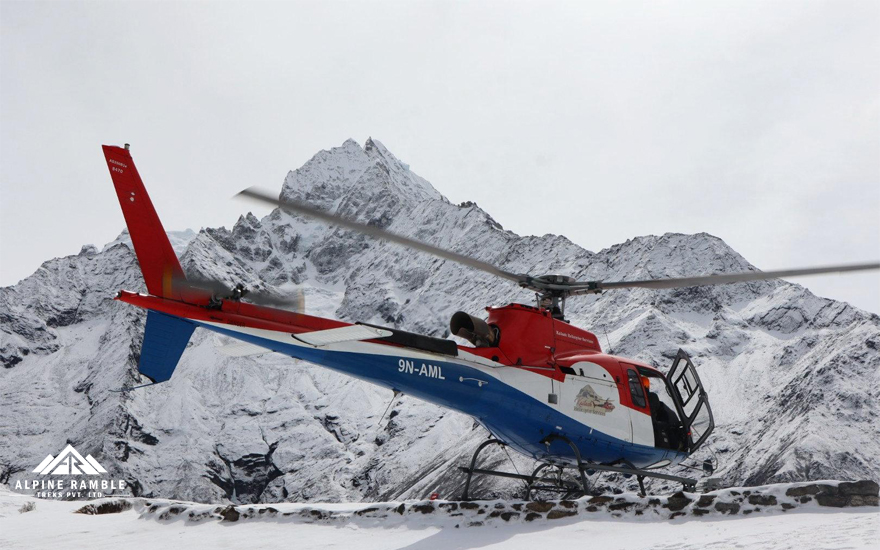
The 7 Days Gokyo Lakes trek with Heli return is a short but beautiful trip to the Gokyo region in Khumbu. It is a well-rounded package that includes trekking, acclimatization, high mountain views, turquoise lakes, and a helicopter back. The trek begins with a flight to Lukla and then continues on the trail to Phakding and Namche Bazaar. After spending an extra day at Namche Bazaar as an acclimatization stop, the trek continues, but then the path departs from the more popular Everest Base Camp trail and heads onwards to Dole, Machhermo, and Gokyo.
There are two things that make this walk famous, the Gokyo Lakes and the climb up to Gokyo Ri, which is said to have some of the best views in the Everest region. From the summit of Gokyo Ri (5,357 meters), you will be able to see Everest, Cho Oyu, Lhotse, Makalu, the Gokyo Lakes, and the Ngozumpa Glacier on a clear day.
The helicopter return provides a quicker itinerary since you do not need to walk back to Lukla, which is a long trek after completing the trek to Gokyo Ri. Usually the helicopter would come back from Gokyo to Lukla, and the next day a normal plane would leave Lukla for Kathmandu. The package also includes the roundtrip flights to and from Lukla.
This trip is suitable for those who want to get a good overview of Gokyo Lakes in one week with the primary trekking route incorporated and a faster return after the highest point of the adventure. Therefore, this is the best choice for such people.
Who Is This 7-Day Gokyo Lakes Trek Designed For?
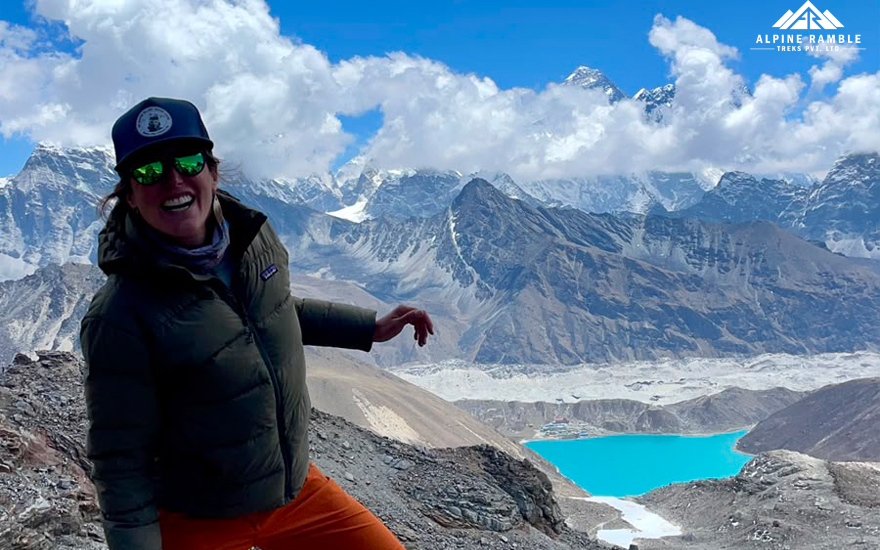
This particular Gokyo Trek with heli return is designed for trekkers whose main goal is not only to experience the beautiful Gokyo region but also to complete everything in a week. It is a good choice for people who want to walk through the Everest region, visit Gokyo Lakes, hike to Gokyo Ri, and return faster without repeating the same trail back to Lukla.
This trek is best suited for:
- Travelers with limited time in Nepal
- Trekkers looking for a short Everest region trek
- People who want a quieter alternative to the Everest Base Camp route
- Fit travelers who can walk around 4 to 6 hours a day
- Couples, families, or private groups wanting a smoother return
- Trekkers who want to see Gokyo Lakes, Ngozumpa Glacier, and Everest views from Gokyo Ri
- Travelers who want a helicopter return after completing the main trekking highlights
However, this trek may not be ideal for everyone, especially if you want a very slow pace, extra acclimatization days, or a more budget-friendly journey; the regular Gokyo Lakes Trek may be a better option.
Why the Helicopter Return Makes This 7-Day Trek Possible?
The helicopter ride return from the Gokyo Lakes trek is the key factor that allows you to complete the trek in just seven days. Trekkers usually spend more days on the typical Gokyo Lakes trek, as they have to hike back from Gokyo to Lukla after completing the main trek. This is because the hike itself takes a few days to get back to Lukla.
You will still have the possibility to do the main trekking trip with the heli return. To go to Gokyo Ri, you will need to travel from Lukla to Namche and then on to Dole and Machhermo before reaching the Gokyo Lakes. Once the main attractions are done, the helicopter replaces the long walk back.
On this route the helicopter generally departs Gokyo or a neighboring safe landing zone and heads towards Lukla. The flight will start and end at Lukla subject to weather, visibility, and safety of the flight. You will spend the night in Lukla. After that, you will board a standard flight back to Kathmandu the next morning.
The Gokyo Lakes Trek, 7 Days with Heli Return, is a great choice for individuals who are short on time in Nepal but yet want to visit Gokyo Valley.
Altitude Profile: How High Does the 7-Day Gokyo Trek with Heli Return Go?
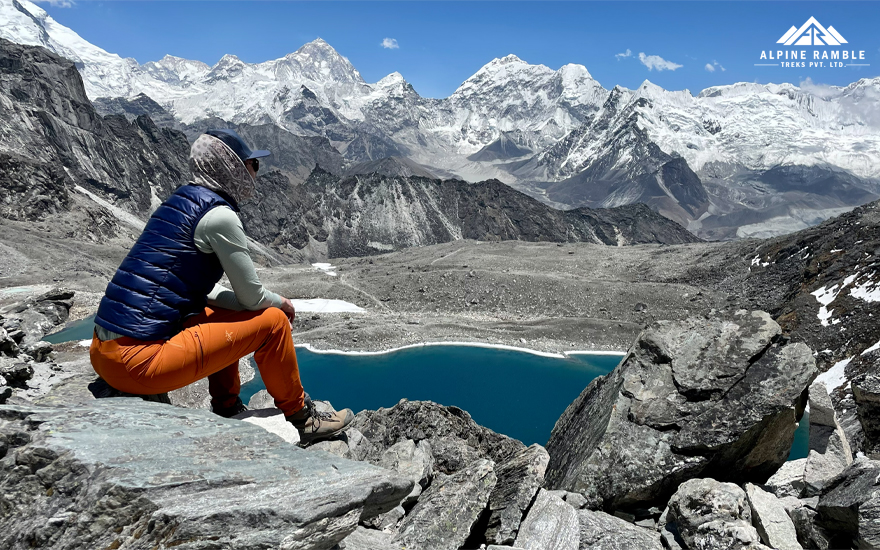
Altitude and high mountain treks are closely linked, especially when the destination is in the Everest region. The highest altitude on the Gokyo Lakes Trek is Gokyo Ri at 5,357 meters, which is the main viewpoint of the trek and one of the best places to see Everest, Cho Oyu, Lhotse, Makalu, Gokyo Lakes, and Ngozumpa Glacier. The landscapes change day by day; the higher you ascend, the tougher it gets as the levels of oxygen begin to lower.
The trek begins from Lukla and first descends slightly to Phakding, giving you a gentler start. From there, the route climbs to Namche Bazaar, the main acclimatization stop of the journey. This rest day in Namche is important because the route climbs above 4,000 meters soon after, with overnight stops in Dole, Machhermo, and Gokyo.
After Namche, the altitude gain becomes more noticeable. Dole is already above 4,000 meters, and Machhermo is close to 4,500 meters. By the time you reach Gokyo, you are sleeping at around 4,790 meters. The next morning, the hike to Gokyo Ri takes you above 5,000 meters, where the air is thinner and the climb feels more demanding.
| Place |
Altitude |
What to Expect |
| Lukla |
2,860 m |
Starting point of the trek after the mountain flight |
| Phakding |
2,610 m |
Lower first overnight stop with a gentle walking day |
| Namche Bazaar |
3,440 m |
Main acclimatization stop before going higher |
| Dole |
4,110 m |
First overnight stop above 4,000 meters on the Gokyo route |
| Machhermo |
4,470 m |
Important high-altitude stop before reaching Gokyo |
| Gokyo |
4,790 m |
Main lake settlement and final overnight before Gokyo Ri |
| Gokyo Ri |
5,357 m |
Highest point of the trek and main viewpoint |
The altitude is one of the major challenges of this trek. Most people usually think the uphill climb and the trail will be difficult, but really it is the high altitude that adds to the difficulty of the Gokyo Trek. You may walk more slowly, feel colder, lose your appetite, or feel more tired than usual. Therefore, adjusting your body to such conditions is extremely crucial.
This is why the Namche acclimatization day, a steady walking pace, proper hydration, warm clothing, and guide support are important. Your Alpine Ramble Treks guide will help manage the pace and keep an eye on how you are adjusting as the trail climbs from Namche to Dole, Machhermo, Gokyo, and Gokyo Ri.
Because this is a short Gokyo Lakes Trek with helicopter return, the return is faster, but the altitude gain on the way up is still real. The helicopter saves the walk back after the main highlights, but it does not remove the need to trek carefully and respect the altitude during the journey.
Is the 7 Days Gokyo Lakes Trek Too Fast?
No, the 7 days for the Gokyo Lakes Trek are not “too fast” and instead are a realistic and practical approach for people in a time crunch. It is particularly the best approach because you will only be minimizing the days for descending, which means there will not be any compromise for acclimatization days during the ascent. The itinerary will fully include the acclimatization day at Namche Bazaar, which will help in lowering the chances of altitude sickness.
While the days do become shorter and acclimatization days are not compromized, it does not mean you are 100% exempt from other challenges such as long hours of walking, cold temperatures, unpredictable weather, and the changes in elevation. Therefore, being prepared both physically and mentally is extremely important. In other words, the 7-day itinerary is possible, but it should not be treated like an easy shortcut. The helicopter return saves the walk back, but it does not remove the need for proper pacing and altitude awareness on the way up.
Acclimatization: Why Namche Bazaar Matters on the Short 7 Days Gokyo Lakes Trek with Heli Return
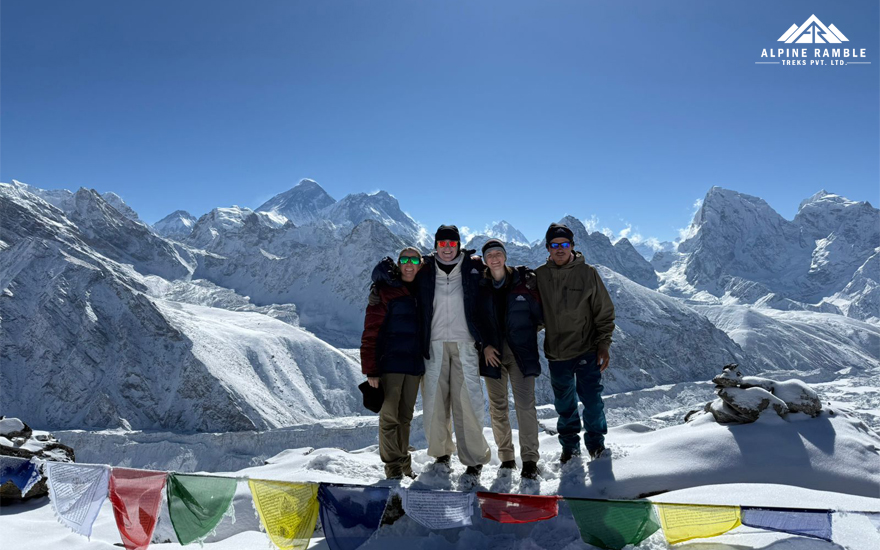
Acclimatization is the process of getting the body used to the unusual environment, and in this case it is the high altitude. When you are doing the Gokyo trek, the altitude during this can reach well up to 5000 meters, considering the possibility of hiking to the summit of Gokyo Ri. Acclimatization during the Gokyo Lakes Trek of 7 days not only helps to adjust your body to the high altitude but also at the same time makes your trekking a much smoother and more comfortable experience.
So for this 7 days Gokyo Trek with heli return, Namche Bazaar (3,440 meters) is set as an acclimatization point, and an extra day is added to the itinerary. Namche Bazaar is not only the gateway to Everest but also the standard acclimatization location for not only Gokyo but also Everest treks. Namche Bazaar has stood the test of time as a trading hub for Tibetans and Nepalese in the past and now as a prominent Sherpa town that shows the way to Everest. Every trekker doing a trek in both the Everest and Gokyo regions passes through this town, not once but twice.
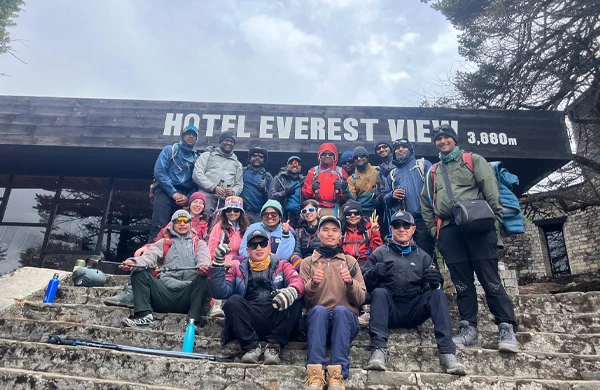
During the acclimatization day, trekkers usually take a short hike to a nearby viewpoint or higher area, which usually includes the Hotel Everest View (3,880 meters) and Khumjung Village (3,790 meters). This follows the common trekking idea of walking higher during the day and sleeping lower at night. It helps the body adjust more naturally before the next stage of the trek instead of depending on medicines.
Namche is also an ideal spot to examine how you are feeling before moving higher. Your guide can monitor your pace of walking, hunger, sleep, energy level, and any indicators of discomfort from altitude. The strategy can be modified as needed before setting off into the more distant Gokyo Valley.
The acclimatization day does not guarantee that altitude sickness won’t occur, but it absolutely makes the itinerary safer and smoother for the trekker. This hike to Everest View and Khumjung Village is not simply a rest day but a short adventure to make sure your body adapts to what's to come. For the Gokyo Trek with heli return, this is an important criterion in route planning, an assurance of safety along with adventure.
What to Expect on the Trail Each Day during the Gokyo Trek with Heli Return
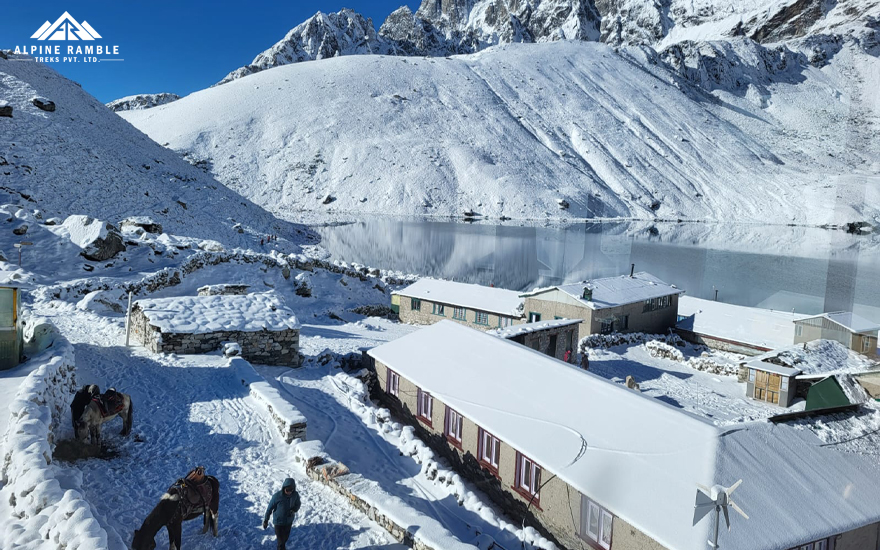
The Gokyo Lakes Trek with helicopter return is a beautiful trekking journey of 7 days where you will experience a combination of feelings. From passing through small Sherpa village settlements, to crossing a number of suspension bridges, to staying at a humble teahouse or trekking lodge in different Sherpa villages, hiking up to over 5000 meters, and, of course, experiencing a life-changing journey in a span of 7 days, this trek offers all.
The trail for this specific trek follows the standard Everest Base Camp Trek up to Namche Bazaar, then switches to a more secluded path that leads you right to Gokyo Valley with Gokyo Lakes and Gokyo Ri. The first part of the journey follows the lower Everest trail through villages, forests, suspension bridges, and river valleys. After Namche, the route turns toward the quieter Gokyo Valley, where the landscape becomes more open, alpine, and less crowded.
Lukla to Phakding: A Gentle Start
The adventure starts with a flight to Lukla and a short trek to Phakding. The first day is usually the easiest day to get used to the trail. You pass small settlements of Sherpa villages, prayer wheels, mani walls, and calm stretches along the Dudh Koshi River with suspension bridges.
Phakding to Namche Bazaar: Bridges and the First Big Climb
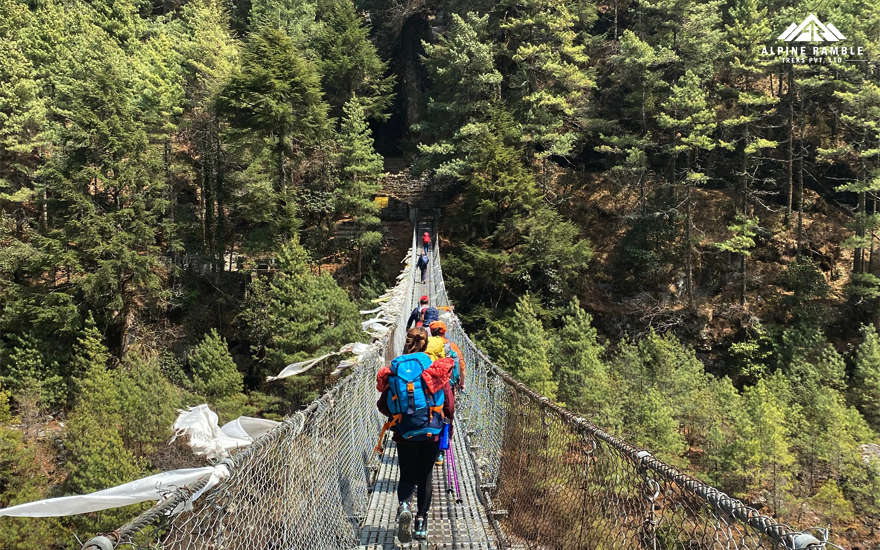
The second day is a bit more challenging, as the hiking hours are longer and there are more uphills to be climbed because of the increase in altitude. You pass suspension bridges and woodland pathways and reach the entrance of Sagarmatha National Park before rising up to Namche Bazaar. On a clear day, before reaching Namche Bazaar at a place called Top Dada, you may catch your first distant glimpse of Everest en route.
Namche Bazaar: Rest, Views, and Acclimatization Day
Namche Bazaar is the key acclimatization stop of the Gokyo Lakes Trek with a heli return journey. You will get the exciting opportunity to explore the town, see some overlooks around, appreciate the mountain atmosphere, and get ready for the upper half of the adventure. You will stay an extra day at the Namche Bazaar as a part of the acclimatization process, which allows your body to adjust before the trail goes above 13,000 feet.
Namche to Dole: Leaving the Main Everest Base Camp Trail
From Namche the trail diverges from the main Everest Base Camp trail and proceeds towards the Gokyo Valley. This day allows you to see some of the best mountain views, calmer pathways, woodlands, and open hills before reaching Dole. Here the trip begins to feel more tranquil and alone compared to the commercial and busy route of the Everest Base Camp Trek.
Dole to Machhermo: Alpine Scenery and Thinner Air
The road from Dole to Machhermo ascends gently through open alpine landscapes, yak farms, and small sherpa villages. The air thins out as the elevation begins to rise, and because of the acclimatization done the previous day, the climb should not be as tough. Though maintaining a steady pace is crucial. The views expand, and the road feels more connected to the high Himalayas than to people and it is an experience that is not a part of our everyday life.
Machhermo to Gokyo: Entering the Lake Valley
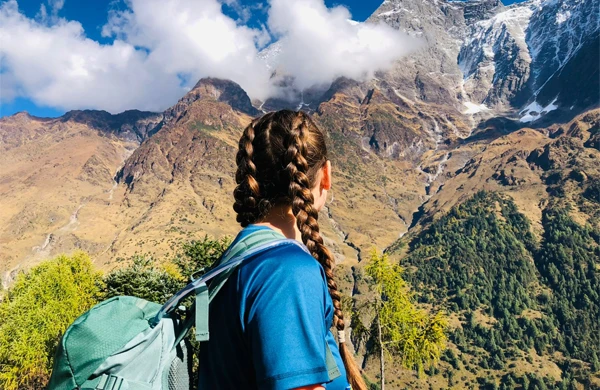
This is one of the most beautiful days of the hike to Gokyo. The trail winds deeper into the Gokyo Valley on steep paths with less tall tree forest and more moraine rocks, with glacial scenery and the first views of the lovely Gokyo Lakes. The most unforgettable point of the tour is arriving at Gokyo hamlet along the lake, which is simply a work of art the mother nature created.
Gokyo Ri and Helicopter Return: The Final Highlight
The last day begins early with a trek to Gokyo Ri, challenging but rewarding. The ascent is not easy by quite a measure, but the main reward of the hike is panoramic views from the summit of Gokyo Ri at al elevation of 5,357 meters (17,575 feet) above sea level. On a clear day, Everest, Cho Oyu, Lhotse, Makalu, Gokyo Lakes, and Ngozumpa Glacier can be seen.
Then, after descending from Gokyo Ri, if the weather and flying conditions are favorable, you will be flown back to Lukla in the helicopter. This saves the several days of long hiking back from Gokyo to Lukla that the standard Gokyo Lakes Trek has and offers an aerial view of the entire Gokyo region, mountains, Sherpa villages, and amazing Khumbu landscapes, a spectacular finish to the adventure from above.
What You Should Know Before the 7-Day Gokyo Heli Return Trek and What Not to Expect
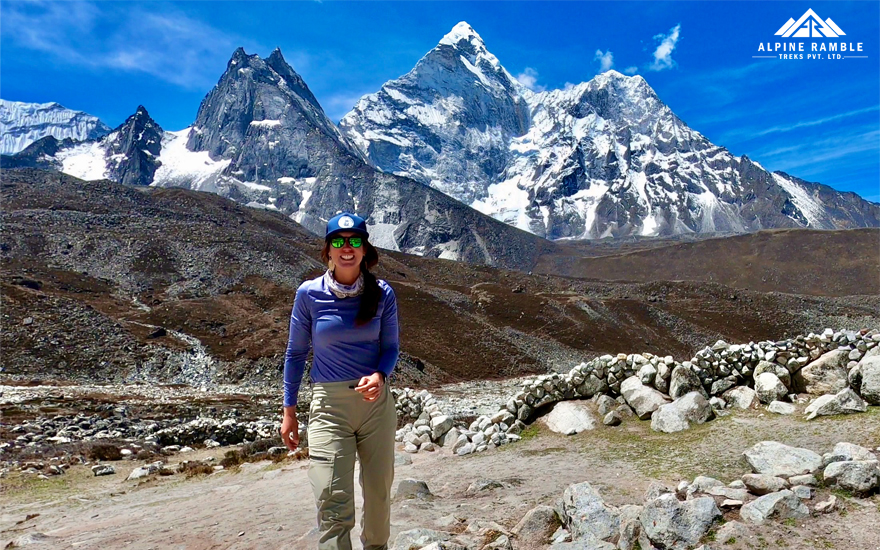
The 7 Days Gokyo Lakes Trek with Heli Return is a beautiful and time-saving way to experience the Gokyo Valley, but it is still a high-altitude trek in the Everest region. Knowing a few things in advance will help you enjoy the journey with the right mindset.
It is a short trek, but still a real mountain journey.
You will walk through villages, alpine trails, and high-altitude landscapes before reaching Gokyo Lakes and hiking to Gokyo Ri.
The helicopter return saves the walk back, not the trek itself.
You still complete the main trekking route to Gokyo. The helicopter simply makes the return faster and more scenic after the main highlights are done.
The itinerary is focused, so fitness helps.
Most walking days are manageable, but the altitude can make the trek feel more demanding. A steady pace and basic preparation can make a big difference.
Accommodation becomes simpler as you go higher.
Namche Bazaar has more comfortable lodges, while Dole, Machhermo, and Gokyo offer more basic teahouse stays. This is part of the mountain experience.
Helicopter timing depends on mountain conditions.
Weather, visibility, wind, landing conditions, passenger weight, and pilot decisions all matter. A little flexibility helps keep the return safe and smooth.
Altitude should be taken seriously.
The trek reaches Gokyo Ri at 5,357 meters, so walking slowly, drinking enough water, eating well, and listening to your guide are important.
The Gokyo route is quieter, but not completely empty.
It is generally more peaceful than the main Everest Base Camp trail, especially after Namche, but spring and autumn can still bring other trekkers.
Some lodge services cost extra.
Hot showers, Wi-Fi, battery charging, bottled drinks, and snacks are usually paid separately along the trail.
A buffer day after the trek is always helpful.
Lukla flights and helicopter returns depend on weather, so having one extra day in Kathmandu can make the trip more relaxed.
7 Days Gokyo Lakes Trek with Heli Return vs Regular Gokyo Lakes Trek
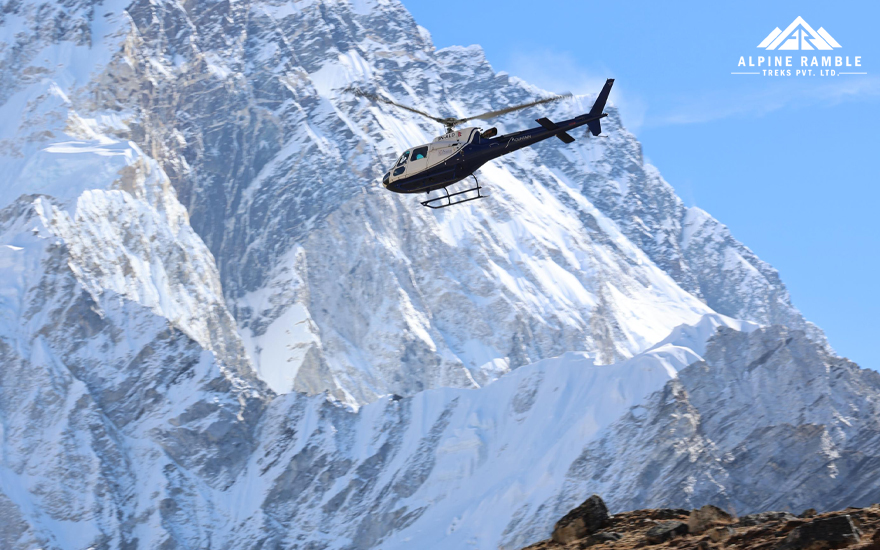
The 7 Days Gokyo Lakes Trek with Heli Return and the normal Gokyo Lakes Trek have the same primary attractions: Gokyo Valley, Gokyo Lakes, Gokyo Ri, and Ngozumpa Glacier. The difference is mostly in the style, the length, the expense, and the pace of the return.
The 7-day heli return trek is for travelers who desire to accomplish the main Gokyo experience in a shorter time. After arriving at Gokyo, you will hike up Gokyo Ri and then return to Lukla by helicopter instead of going back through Machhermo, Dole, Namche Bazaar, and Phakding.
But if you have more time and would rather take it slowly and accomplish the whole thing on foot, then the standard Gokyo Lakes Trek is best. It is often cheaper than the heli-return option as it does not include the helicopter ride.
In simple words, this trek is short and convenient, but it is still a real high-altitude Everest region trek.
| Factor |
7 Days Gokyo Lakes Trek with Heli Return |
Regular Gokyo Lakes Trek |
| Duration |
Shorter, around one week |
Longer itinerary |
| Return style |
Helicopter return after Gokyo Ri |
Trek back to Lukla |
| Cost |
Higher due to helicopter return |
Lower than heli return option |
| Pace |
More focused |
More relaxed |
| Best for |
Travelers with limited time |
Trekkers with more days |
| Trail experience |
Main Gokyo highlights plus aerial return |
Full walking experience both ways |
| Comfort |
Easier finish after Gokyo |
More walking days after Gokyo |
| Flexibility |
Depends more on helicopter weather |
Depends more on walking schedule and Lukla flights |
You can choose the 7-day Heli return Gokyo Trek version if you want the main Gokyo Lakes experience without spending extra days of walking back the same route as well as save a lot of time. But you can choose the regular Gokyo Lakes Trek if you have more time, want a lower-cost option, and enjoy the full trail experience. You can also do a combined Everest Base Camp Trek via Gokyo if you are keen in visiting both places.
Final Thoughts: Is the 7-Day Gokyo Lakes Heli Return Trek Right for You?
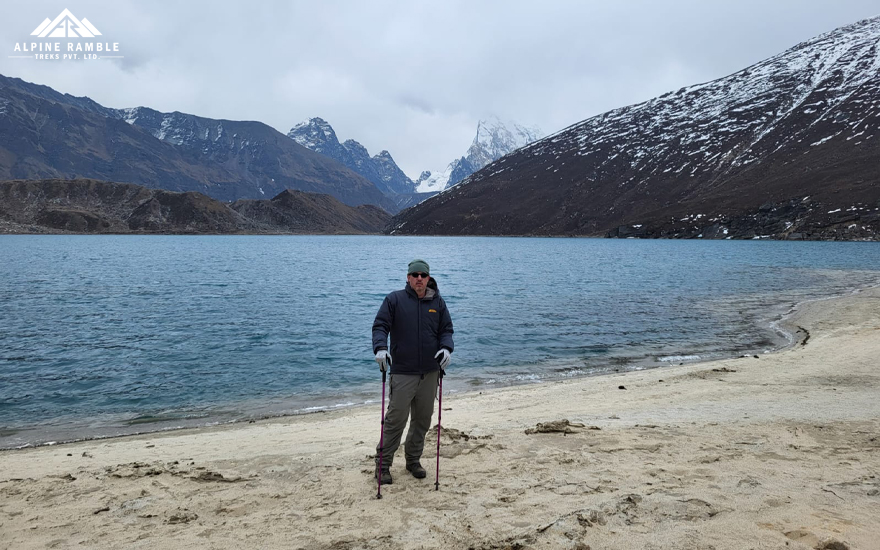
The 7 Days Gokyo Lakes Trek with Heli Return is perfect for trekkers who desire a short, picturesque, and concentrated trek in the Everest region with a scenic helicopter ride. It provides you the key highlights of the Gokyo route: Namche Bazaar, Gokyo Valley, Gokyo Lakes, Gokyo Ri, Everest vistas, and Ngozumpa Glacier, and the helicopter return saves the repetitive trip back to Lukla.
If you are short on time in Nepal, somewhat fit for high-altitude walking, and want to get back quicker after visiting the main viewpoint, this trip is a great option. It is ideal for those who wish to experience the beauty of Gokyo but don’t have the time for a lengthier itinerary.
The traditional Gokyo Lakes Trek may be a preferable choice for those who would rather go at a slower pace, include extra acclimatization days, spend less, or hike the entire way back to Lukla.
This 7-day Gokyo Lakes Heli Return Trek offers a convenient middle ground for the right visitor, with a good mix of trekking, mountain scenery, altitude experience, and comfort. This is not a shortcut to the route. This is a better option for returning following the main Gokyo Lakes tour.
FAQs about the 7 Days Gokyo Lakes Trek with Heli Return
1. Can you do the Gokyo Lakes Trek in 7 days?
Yes, you can complete the main Gokyo Lakes Trek in 7 days with a helicopter return. The heli return removes the extra walking days back to Lukla.
2. What makes the 7-day Gokyo Lakes Trek different from the regular trek?
The main difference is the return. In the 7-day version, you trek to Gokyo Lakes and Gokyo Ri, then return by helicopter instead of walking back to Lukla.
3. Does the 7-day Gokyo Lakes Trek include enough acclimatization?
The itinerary includes an acclimatization day in Namche Bazaar, which is important before going higher. Still, altitude affects everyone differently, so a slow pace is important.
4. What is the highest altitude on this trek?
The highest point is Gokyo Ri at 5,357 meters. It is also the main viewpoint of the trek.
5. How difficult is the 7 Days Gokyo Lakes Trek with Heli Return?
It is a moderate to challenging trek. The trail is not technical, but the altitude, uphill walking, and Gokyo Ri hike can feel demanding.
6. Is this trek suitable for beginners?
Fit beginners can do this trek with good preparation and guide support. If you want a slower pace or have altitude concerns, a longer itinerary may be better.
7. Where does the helicopter return from?
The helicopter usually returns from Gokyo or a nearby safe landing point to Lukla, depending on weather, visibility, and flight conditions.
8. Why do trekkers stay overnight in Lukla after the helicopter return?
Staying overnight in Lukla makes the return plan more practical. It gives more flexibility for mountain weather and the regular Lukla to Kathmandu flight the next day.
9. What happens if the helicopter flight is delayed?
If the helicopter is delayed, your guide and the Alpine Ramble Treks office team will help adjust the plan and coordinate the next safe option.
10. Do I still need travel insurance for this trek?
Yes, travel insurance is strongly recommended. It should cover high-altitude trekking, medical treatment, trip interruption, and emergency helicopter evacuation.
11. What should I pack for the 7-day Gokyo Lakes Trek?
Pack warm layers, trekking boots, a down jacket, a waterproof jacket, gloves, a hat, sunglasses, sunscreen, personal medicine, and a light daypack.
12. Who should choose the 7 Days Gokyo Lakes Trek with Heli Return?
This trek is best for travelers with limited time who want Gokyo Lakes, Gokyo Ri, Everest views, and a faster return without walking the same trail back