Everest Base Camp Trek Difficulty at a Glance
| Difficulty factor |
Rating |
Why it matters |
| Technical climbing |
2/10 |
No ropes, ice axes, or mountaineering skills needed |
| Trail terrain |
5/10 |
Rocky paths, stone steps, suspension bridges, moraine sections |
| Daily walking effort |
7/10 |
Most days require 5 to 8 hours of walking |
| Altitude difficulty |
9/10 |
EBC reaches 5,364 m, and Kala Patthar is higher |
| Recovery difficulty |
7/10 |
Sleep, appetite, and energy often drop at higher altitudes. |
| Mental difficulty |
7/10 |
Cold, fatigue, discomfort, and slow pace test patience |
| Overall difficulty |
8/10 |
Achievable, but not easy |
Why does the Everest Base Camp Trek feel more difficult than the distance suggests?
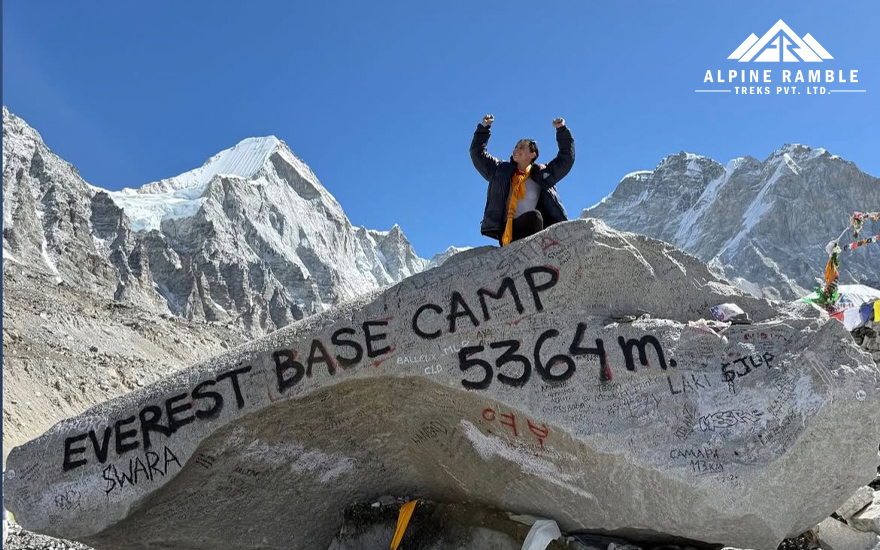
The total distance covered during the Everest Base Camp Trek round trip is said to be approximately 130 km. But the distance alone is not why the difficulty of the Everest Base Camp Trek is rated as moderate to challenging. The daily walking distance might not seem too daunting. In reality, the trek feels harder because the distance is combined with altitude, repeated walking days, uneven terrain, cold weather, and slower recovery.
So if you are planning for an EBC trek this 2026, distance should not be the only way to judge the difficulty. A well-paced itinerary, proper acclimatization days, slow walking speed, good food, hydration, and enough rest are what make the trek more manageable. The trail distance may be fixed, but how difficult it feels depends on how well your body adapts along the way.
The 5 Types of Difficulty on the Everest Base Camp Trek
When we talk about the difficulty of the Everest Base Camp Trek, we often describe it in a simple way and on the surface level. Understanding the difficulty on a deeper level gives you the edge and also increases the chances of a successful trek.
It is easier to grasp when the difficulty is described as “moderate” or “challenging,” but that does not fully explain what makes the trek hard. So to understand it more, we can talk about different types of difficulty you will face during the Everest Base Camp Trek. Here are the different difficulties explained:
Physical Difficulty: Repeated Walking, Not One Hard Day
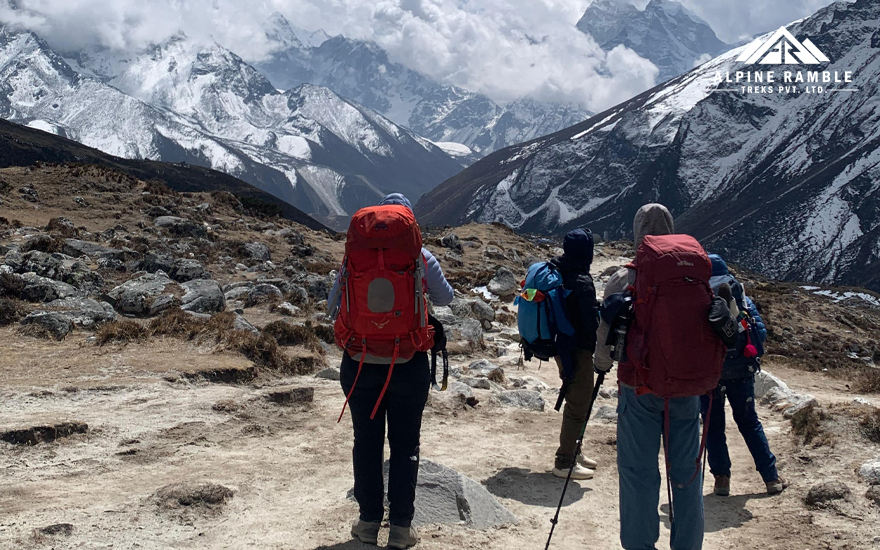
The physical difficulty of the Everest Base Camp Trek is different from technical difficulty. The trek does not require the climbing skills needed for the official summit of Mount Everest, but it does demand physical strength, stamina, and endurance.
The Everest Base Camp Trek is normally 12 to 15 days, with daily hiking ranging from around 5 to 7 hours. The route begins from Lukla, reaches Base Camp, and returns to Lukla, passing villages, valleys, suspension bridges, forests, and higher alpine terrain along the way.
The challenge is not only the distance but also the daily routine. Trekkers wake up early, walk for several hours, sleep, and repeat the same pattern the next day. The tiredness may not feel strong in the first few days, but it builds over time. Long climbs, rocky trails, stone steps, and descents can put pressure on the knees, calves, and back, especially with a heavy daypack.
This is why gym fitness alone is not enough. The body needs trekking endurance and stamina for long uphill and downhill trails in the high-altitude Himalayas.
What most people do wrong:
Do gym workouts or run on flat roads expecting the body to adjust to a completely different geographic landscape.
What to do instead:
- Go on an actual hike outdoors on hills if possible.
- Build stamina and endurance, not only muscles.
- Do weight training, as carrying a backpack on the trek is expected.
- Get your body used to walking for hours a day.
Altitude Difficulty: The Main Reason EBC Feels Hard
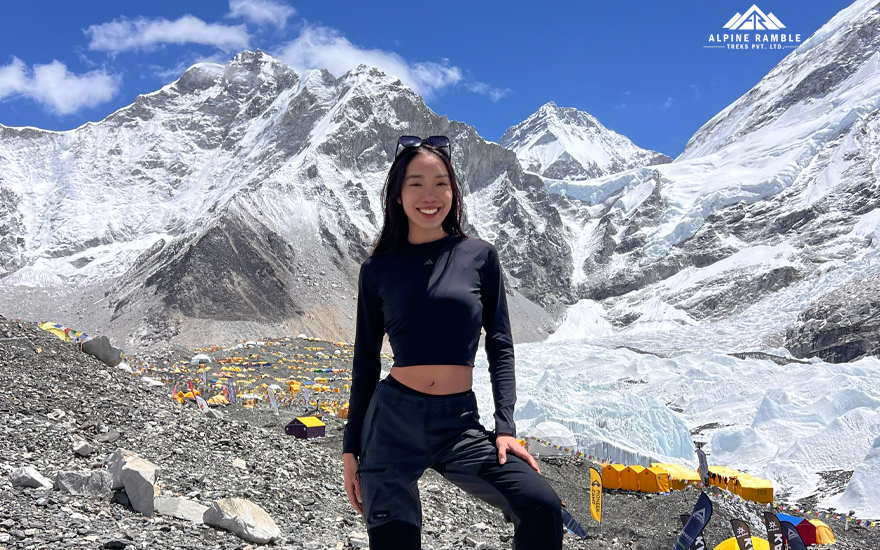
Altitude is the biggest difficulty of the Everest Base Camp Trek and most high-altitude treks. Many trekkers come from low elevation or sea level, which makes it harder for the body to adjust. As altitude increases, the level of oxygen decreases, making walking and recovery more difficult.
The Wilderness Medical Society notes that unacclimatized people are at risk of high-altitude illness when ascending above 2,500 m, and symptoms may occur at lower elevations in some cases. Health experts recommend gradual ascent at high altitude because gaining elevation too quickly can increase the risk of altitude-related illness.
This is important because the Everest Base Camp route begins at Lukla at 2,860 m and eventually reaches sleeping places above 3,000 m, 4,000 m, and 5,000 m.
Places like Dingboche, Lobuche, Gorak Shep, and Base Camp are key points where trekkers should be more careful. This is why an itinerary with enough acclimatization days is extremely important. Your body does most of its adaptation while resting and sleeping, so the altitude where you sleep has a major impact on how well you recover.
What most people do wrong:
- Cover long altitudes and distances in a single day, making it hard for their bodies to adjust and increasing the risk of altitude sickness.
- Ignore the demand of the body to rest and push through trekking even to higher altitudes.
What to do instead:
- Choose an itinerary with proper acclimatization days.
- Do not exceed 500 to 800 meters in a day.
- Trek high and sleep low.
- Maintain a steady pace throughout the trek, especially during the start.
Recovery Difficulty: Sleep, Appetite, and Energy Drop at Altitude
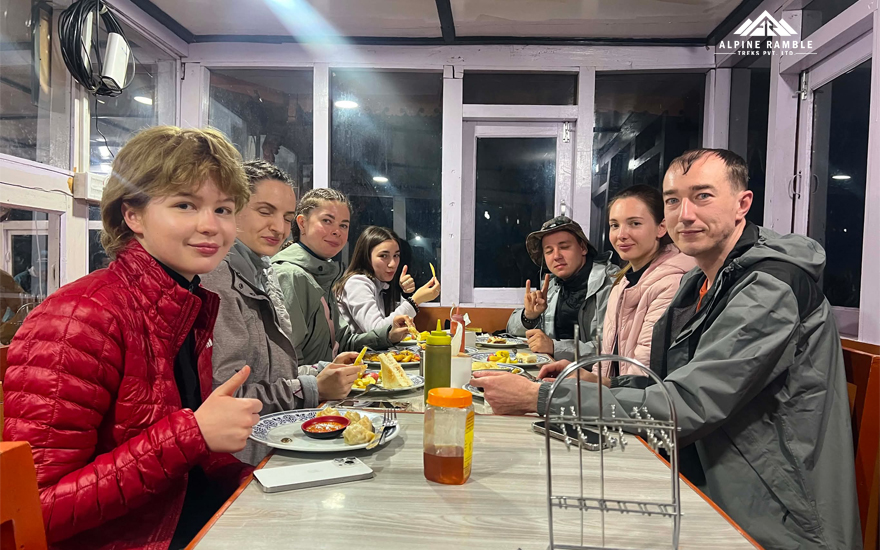
Recovery is one of the most overlooked parts of the Everest Base Camp Trek. Most people focus on how hard the walking is or how high the altitude is, but after crossing the 4,000 m mark, often around Dingboche, recovery becomes a major challenge.
As altitude increases, trekkers may experience lighter sleep, reduced appetite, dry throat, tired legs, and slower recovery. Even when the walking distance is not long, the body may feel more tired because it has not fully recovered from the previous day’s hike and altitude gain.
This is why many trekkers begin to feel the impact of altitude from Namche Bazaar or higher. It is not always because the trail suddenly becomes more difficult. It is because several days of walking, reduced sleep, colder weather, lower appetite, and thinner air begin to combine.
What most people do wrong:
- Ignore the body’s demand for rest, proper diet and hydration throughout the trek.
- Treat the symptoms of altitude as normal discomfort rather than signs of a body under stress.
What to do instead:
- Maintain proper diet and hydrate frequently.
- Keep your meals simple if there is no appetite.
- Make sure to sleep and get complete rest every night.
- Keep warm and walk slowly at a steady pace instead of powering through until you completely run out of energy.
- Recovery is part of the trek, not something separate from it.
- Communicate effectively with your guide regarding your situation.
Environmental Difficulty: Cold, Wind, Dust, and Basic Comfort
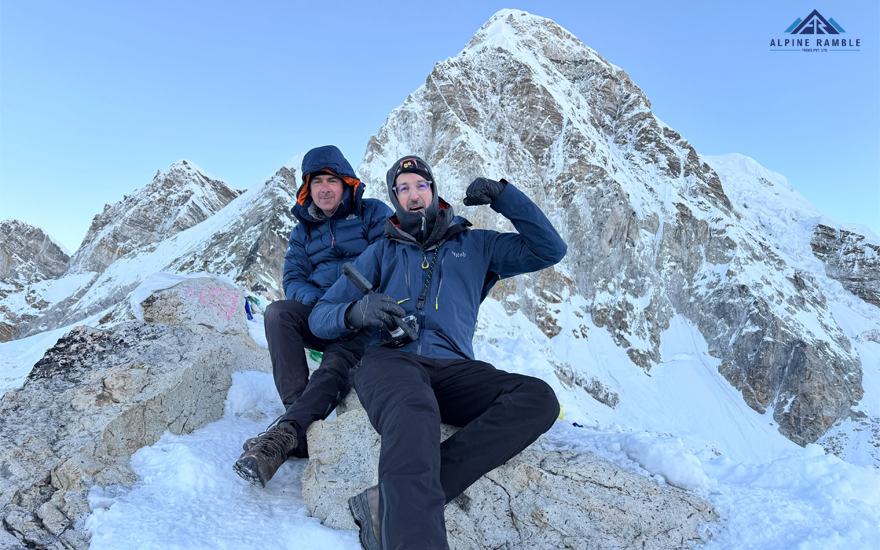
The mountain environment adds another layer of difficulty to the Everest Base Camp Trek. The route passes through the Khumbu Valley inside Sagarmatha National Park, and even though the trail is well established, the environment remains remote and physically demanding.
As you ascend higher, the temperature gets colder, the air becomes drier, and the wind can feel stronger. Trekkers should also be prepared for basic teahouse facilities, especially at higher altitudes. Rooms are not heated, attached bathrooms with running hot water are not always available, and services like charging, Wi-Fi, and hot showers may cost extra or may not work reliably.
Environmental difficulties include the following:
| Factor |
How it affects trekkers |
| Cold rooms |
Makes sleep and recovery harder |
| Dry air |
Can cause dry throat, coughing, and dehydration |
| Dusty trails |
Can irritate the throat and breathing |
| Wind |
Makes exposed sections feel colder |
| Basic toilets |
Affects comfort, especially at night |
| Limited food choices higher up |
Can affect appetite and energy |
| Early morning starts |
Adds cold and mental pressure |
What most people do wrong:
- Only preparing physically for the trek and not accounting the environmental factors such as temperature, wind, snow, rain, etc.
- Expecting to find luxury in the mountain teahouses for food and accommodation, which also affects the difficulty.
What to do instead:
- Packing proper clothes, gear, and equipment for the mountain environment.
- Layering is the key.
- Mentally preparing for the basic teahouse conditions.
- Checking the weather and climate before embarking on the trekking journey.
Decision-Making Difficulty: The Part That Often Decides Success
Decision-making is one of the most important and least talked-about difficulties on the Everest Base Camp Trek. Along with physical stamina and mental strength, trekkers need to make good decisions every day.
Some trekkers walk too fast, skip food, drink too little, carry too much, avoid extra acclimatization, or push toward Base Camp even when their body is struggling. These small decisions can create bigger problems later.
One of the biggest recommendations from health experts is to stop ascending if altitude sickness symptoms become severe. Descending is one of the most effective ways to reduce symptoms. This is why having a good guide is important. An experienced guide can monitor pace, appetite, sleep, energy, and symptoms, not just lead the way.
What it means to make good decisions during the Everest Base Camp Trek:
- Maintaining a slow and steady pace even if you have enough strength and stamina.
- Making sure to have an acclimatization day where you practice trekking high and sleep low, especially in Namche Bazaar and Dingboche.
- Establishing good communication with your guide and making sure they know your condition throughout the trek so they can make the right and effective decision regarding your safety.
- Keeping yourself hydrated and eating simple food even if you are not feeling well.
- Knowing when to stop, not reaching Kala Patthar is okay if you are not feeling well. Kala Patthar is a rewarding viewpoint, but it should be treated as optional if your body is already struggling at Gorak Shep.
- Choosing the right itinerary rather than a short one.
- Understanding that sometimes turning back is the right and best decision.
What most people do wrong:
- Try to push themselves more, knowing their body is at a limit.
- Treating it like a challenge where stopping means failure.
What to do instead:
- Understand that Everest Base Camp is a high-altitude journey where making smart and good decisions is more crucial than satisfying a personal challenge.
- Instead of rushing to reach the base camp, take it slow and steady to allow your body to adjust to the altitude.
- Always putting your health and safety as the first priority, and everything else comes next.
- Trust your guide when they tell you to stop.
Together, these five types of difficulty show that the Everest Base Camp Trek is not hard because of one single factor, but because physical effort, altitude, recovery, environment, and decision-making all build on each other.
Sleeping Altitude vs. Walking Altitude: What Actually Matters?
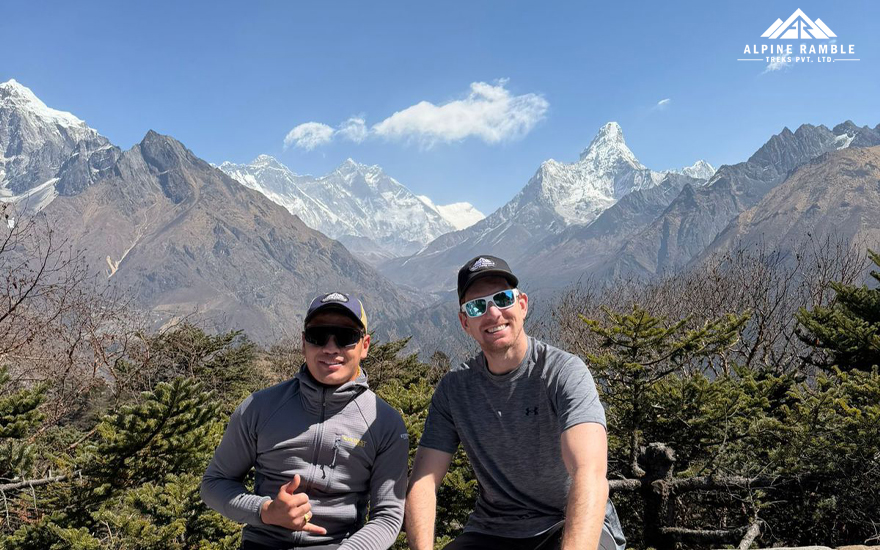
One of the main things trekkers misunderstand about the Everest Base Camp Trek difficulty is altitude. Reaching the highest point is not the only thing that matters. Sleeping at the right elevation is just as important because your body spends the night resting and recovering there.
Everest Base Camp sits at 5,364 m, while Kala Patthar is higher at 5,545 m. However, altitude safety is not only about reaching these points. Once above 2,750 m, trekkers should increase sleeping elevation gradually and allow time for the body to adjust. This is why acclimatization days in Namche Bazaar and Dingboche are important parts of a safe Everest Base Camp Trek itinerary, not just rest days.
| Acclimatization stop |
Approx. altitude |
Why it matters |
| Namche Bazaar |
3,440 m |
First major altitude adjustment after Lukla and Phakding |
| Dingboche |
4,410 m |
Key acclimatization point before Lobuche and Gorak Shep |
| Lobuche |
4,910 m |
Recovery becomes harder as oxygen levels drop |
| Gorak Shep |
5,164 m approx. |
Highest sleeping point on the standard EBC route |
As you enter deeper into the Khumbu region and cross the 3,000 m and 4,000 m marks, the impact of altitude becomes more noticeable. A well-paced itinerary gives your body time to recover from both the altitude and the physical strain of daily hiking.
For the Everest Base Camp Trek in 2026, choosing an itinerary that respects altitude is more important than choosing the shortest route. A rushed itinerary may look attractive, but a steady pace with proper acclimatization is usually safer, more comfortable, and more manageable for most trekkers.
EBC Trek Difficulty by Day: Which Days Are Actually Hardest?
| Trek section |
Difficulty level |
Why it feels hard |
| Lukla to Phakding |
Easy to moderate |
A gentle start, but the trail is uneven and the body is adjusting after the Lukla flight |
| Phakding to Namche Bazaar |
Hard |
One of the first tough days, with long uphill sections, suspension bridges, and the first major altitude gain |
| Namche acclimatization hike |
Moderate |
Shorter walking day, but breathing may feel different above 3,000 m |
| Namche to Tengboche/Deboche |
Moderate to hard |
Long walking day with both descent and uphill climb toward Tengboche |
| Tengboche/Deboche to Dingboche |
Moderate |
The trail is not extremely steep, but the altitude and colder air become more noticeable |
| Dingboche acclimatization hike |
Moderate to hard |
Trekkers usually hike higher and return to sleep lower, which helps acclimatization but can still feel tiring |
| Dingboche to Lobuche |
Hard |
The body is now above 4,000 m, recovery becomes slower, and the air feels thinner |
| Lobuche to Gorak Shep to Everest Base Camp |
Very hard |
Often the hardest day because of high altitude, rocky terrain, long walking hours, and limited recovery |
| Kala Patthar hike |
Very hard |
Higher than Everest Base Camp, usually cold, steep, and physically demanding |
| Return trek |
Moderate to hard |
Breathing becomes easier as you descend, but tired knees and accumulated fatigue can make the downhill sections difficult |
The Role of Food, Hydration, and Appetite in EBC Difficulty
Food and hydration play a bigger role in Everest Base Camp Trek difficulty than many trekkers expect. The challenge is not only walking for several hours a day. Your body also needs enough energy, fluid, warmth, and recovery to keep going at altitude.
As you go higher on the EBC Trek, appetite can drop, sleep may become lighter, and the body has to work harder in cold, dry, low-oxygen conditions. So skipping meals can have a drastic consequence for the body. Your body needs enough energy to hike every day and to recover from the altitude gain. Hydration is also important, but trekkers should avoid the idea that drinking excessive water prevents altitude sickness.
How Weather Changes the Difficulty of the EBC Trek in 2026
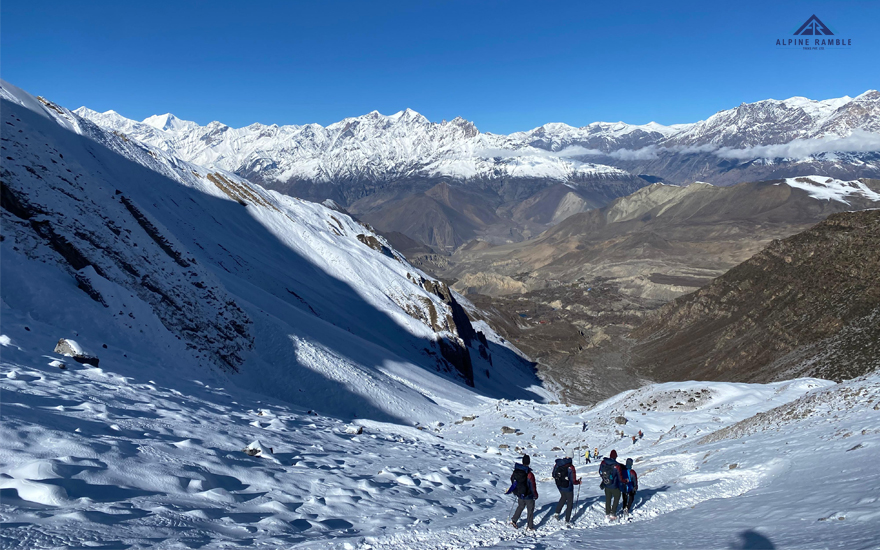
Weather is one of the things that cannot be fully predicted. Despite the information given by the department of hydrology and meteorology, there will always be the chance of weather changing multiple times throughout the day.
While the villages, route, and distance remain the same, the weather pattern is something that always keeps changing. In fact, the EBC in spring is very different from the EBC in autumn, and these two seasons are known to be the most popular choices among the trekkers. The season you choose affects trail conditions, visibility, temperature, flight reliability, comfort, and how well your body recovers at altitude.
For Weather of the Everest Base Camp Trek in 2026
| Season |
Difficulty level |
How it affects the EBC Trek |
| Spring 2026 |
Moderate |
Warmer daytime conditions, blooming rhododendrons in lower areas, busy trails, and generally good trekking weather |
| Autumn 2026 |
Moderate |
Clearer views, stable conditions, popular trekking season, but busy lodges and trails |
| Winter 2026 |
Hard |
Very cold mornings and nights, possible snow or ice, fewer trekkers, and more difficult recovery at higher altitude |
| Monsoon 2026 |
Hard |
Rain in lower areas, slippery trails, clouds, poor visibility, leeches in lower forest sections, and higher chance of flight delays |
The weather during has a bigger impact on the overall trekking experience than most trekkers realize. And now there is even a bigger challenge in 2026 as a result of climate change. In recent years, trekkers have reported more unpredictable weather patterns, so checking updated forecasts and keeping buffer days is important.
The changes in weather patterns bring rain, wind, and snowfall, which in turn impact the visibility, temperature, and even delays and cancellations of the Lukla flight. This is why adding buffer days in Kathmandu is still a smart decision for the EBC Trek in 2026.
How Lukla Flights and Travel Delays Can Add Difficulty
One of the downsides of a mountain flight is that the weather can be very unpredictable. The flight to Lukla is one of the major highlights of the Everest Base Camp trek for its adventurous location and thrilling experience. But because the weather is unpredictable, there is always a chance of the flights either getting delayed or cancelled.
The difficulty begins when the delays and cancellations impact the itinerary. As most trekkers are time-bound with a limited budget, these delays can cause stress and even make the trekkers shorten their itineraries. During peak season, the flights to Lukla operate from Ramechhap, Manthali airport rather than Kathmandu. This means an early morning road transfer before the flight to Lukla. Thus, it is recommended to have buffer days for this trek and also avoid having a fixed departure.
The Role of a Guide in Managing EBC Difficulty
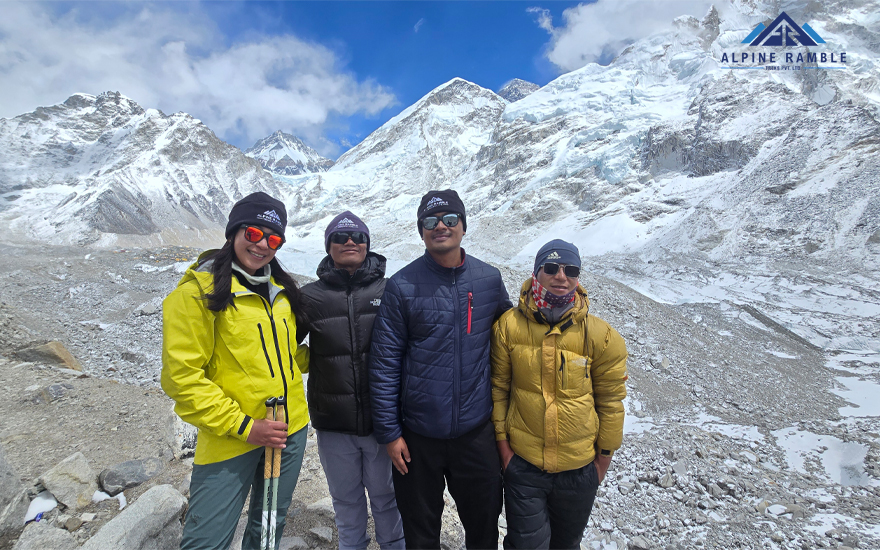
While going solo for the Everest Base Camp Trek is an option, having a guide for the journey brings a different level of experience. A guide does not remove the Everest Base Camp Trek difficulty, but a good guide can make the trek safer, better paced, and easier to manage.
The EBC trek is not only about following the trail from Lukla to Base Camp. It also involves altitude awareness, daily pacing, food and hydration reminders, weather decisions, lodge coordination, and knowing when a trekker should rest, continue, or descend.
The guides have a great deal of knowledge not only about the culture, nature, and geography of the Everest region but also regarding safety during the trek. They are trained professionals who are well versed on how to navigate through the mountains in the safest way possible.
A guide will not only be responsible for taking you to the base camp and managing the logistics but also observe how you walk, how you eat, how you sleep, and how you respond to altitude. On a high-altitude trek like EBC, that local experience can make the difference between pushing too hard and making a safer decision at the right time. A guide gives practical, route-based support that a blog or map cannot provide.
2026 EBC Trek Difficulty: What Has Changed and What Has Not?
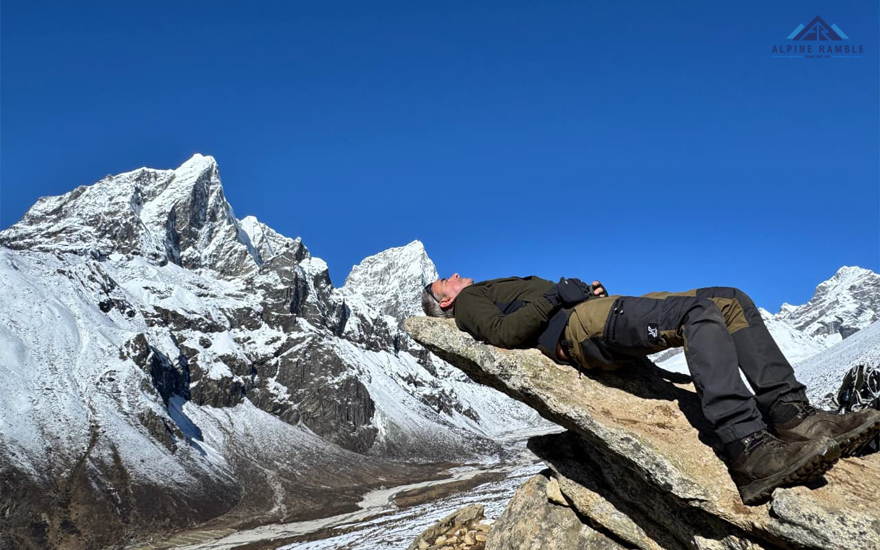
Even if the same person decides to do Everest Base Camp only six months apart, it is impossible to have the same experience as the first time. That being said, here are what may affect trekkers more in 2026:
- Lukla flight logistics may still add difficulty during peak season due to chances of delays and cancellations.
- Choosing shorter itineraries reduces the days for acclimatization.
- Spring and autumn have busier trails and can create problems for finding accommodations without prebooking.
- Weather-related delays can affect tight schedules, so buffer days are important for the Everest Base Camp Trek in 2026.
- Many first-time trekkers underestimate the trek because EBC looks simple online, but altitude and recovery make it more serious.
- Higher comfort expectations can create disappointment, as teahouses are still basic in higher villages like Lobuche and Gorak Shep.
- Better preparation matters more than ever, especially training, packing, insurance, pacing, and choosing the right itinerary.
Final Verdict: How difficult is the Everest Base Camp Trek?
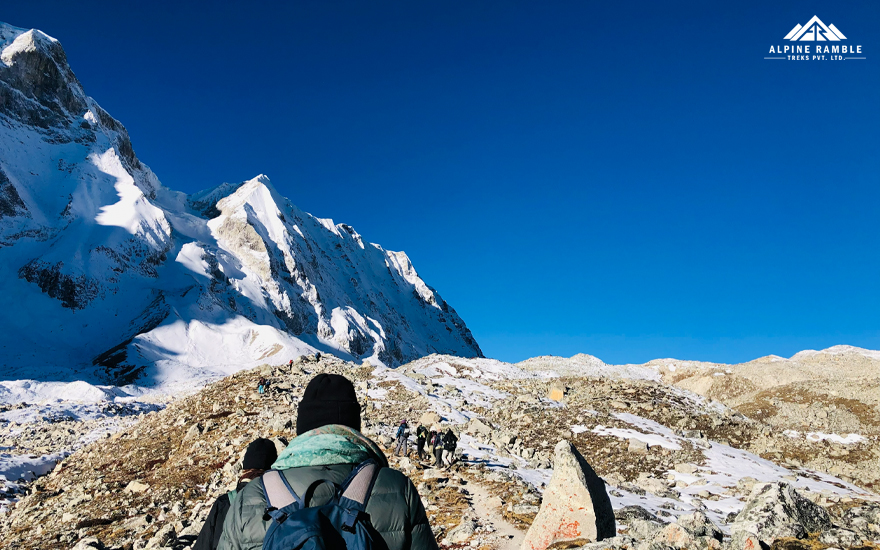
So, how difficult is the Everest Base Camp Trek? It is challenging enough to require preparation, but it is not beyond reach for most healthy and determined trekkers.
The real difficulty of the EBC trek is that it asks you to stay consistent. You do not need to be the fastest person on the trail, but you do need to walk steadily, recover well, respect altitude, and make sensible choices each day. This is where many successful trekkers do well: they do not treat the journey as a race.
For the Everest Base Camp Trek in 2026, the smartest approach is to choose the right pace from the beginning. A few extra days, a lighter daypack, proper acclimatization, and honest communication with your guide can make the difference between simply pushing through the trek and actually enjoying it.
In the end, Everest Base Camp is hard in a meaningful way. It tests your body, your patience, and your ability to adapt to the mountains. But with the right mindset and preparation, the difficulty becomes part of what makes the journey so rewarding.
Frequently Asked Questions (FAQs)
1. How hard is the Everest Base Camp Trek?
The Everest Base Camp Trek is moderately difficult to strenuous. It is not technical, but altitude, long walking days, cold weather, and slower recovery make it challenging.
2. Is the Everest Base Camp Trek difficult for beginners?
Yes, the EBC Trek can be difficult for beginners, but it is possible with proper training, acclimatization days, a steady pace, and guide support.
3. What makes the Everest Base Camp Trek difficult?
The main difficulty comes from high altitude, repeated walking days, uphill and downhill trails, basic teahouse conditions, cold weather, and the need to recover properly each night.
4. Is Everest Base Camp a trek or a climb?
Everest Base Camp is a trek, not a climb. You do not need ropes, ice axes, ladders, or mountaineering skills for the standard EBC trekking route.
5. How fit do you need to be for the Everest Base Camp Trek?
You should be fit enough to walk around 5 to 7 hours a day on uneven mountain trails. Training should focus on endurance, hill walking, stairs, leg strength, and carrying a light daypack.
6. Do I need previous trekking experience for Everest Base Camp?
Previous trekking experience is helpful but not compulsory. First-time trekkers can complete the EBC Trek if they prepare well and choose a well-paced itinerary.
7. What is the hardest day of the Everest Base Camp Trek?
For many trekkers, the hardest day is from Lobuche to Gorak Shep and then to Everest Base Camp because of high altitude, rocky terrain, long walking hours, and accumulated fatigue.
8. Is Kala Patthar harder than Everest Base Camp?
Yes, Kala Patthar often feels harder than Everest Base Camp because it is higher, steeper, colder, and usually climbed when the body is already tired.
9. How many hours do you walk each day on the EBC Trek?
Most days on the Everest Base Camp Trek involve around 5 to 7 hours of walking. Some acclimatization days are shorter, while Base Camp and Kala Patthar days can feel longer.
10. Can fit people still get altitude sickness on the EBC Trek?
Yes, fit people can still get altitude sickness. Fitness helps with walking, but it does not guarantee that your body will acclimatize well at high altitude.
11. Is a shorter Everest Base Camp itinerary harder?
Yes, shorter EBC itineraries are usually harder because they give the body less time to acclimatize and recover. A 12-day or 14-day itinerary is usually more manageable for most trekkers.
12. Which EBC itinerary is best for beginners?
For beginners, an itinerary with acclimatization days in Namche Bazaar and Dingboche is usually better. A slower route gives the body more time to adjust before reaching higher altitudes.
13. Is the descent from Everest Base Camp difficult?
Yes, the descent can be harder than expected. Breathing becomes easier as you go lower, but tired knees, sore legs, and accumulated fatigue can make the return challenging.
14. What should I do if I feel unwell during the EBC Trek?
Tell your guide immediately if you feel a headache, nausea, dizziness, unusual tiredness, poor appetite, or breathlessness at rest. Early communication helps your guide make safer decisions.
15. Is the Everest Base Camp Trek worth the difficulty?
Yes, for many trekkers, the difficulty is part of what makes the Everest Base Camp Trek rewarding. The journey combines Himalayan scenery, Sherpa culture, high-altitude landscapes, and a strong personal achievement.