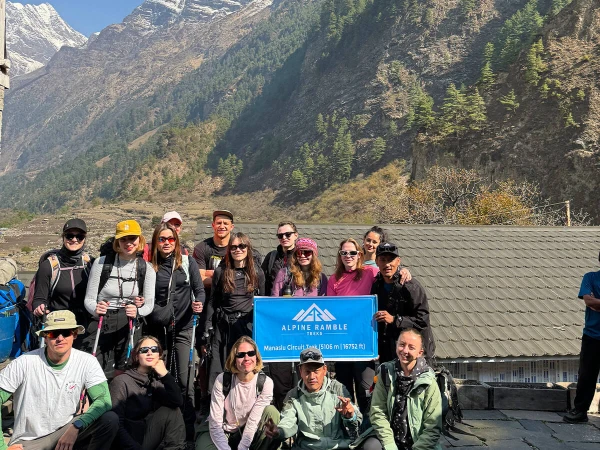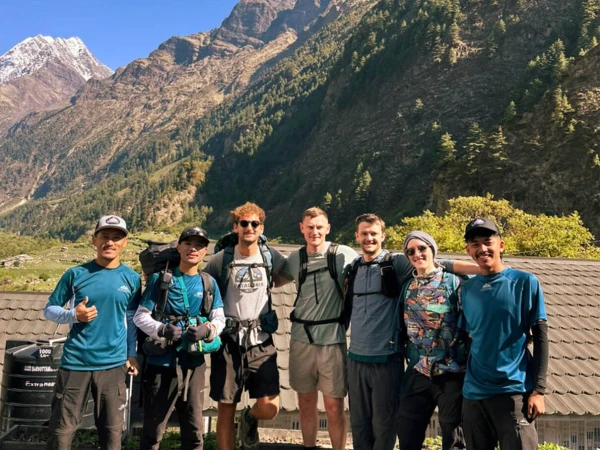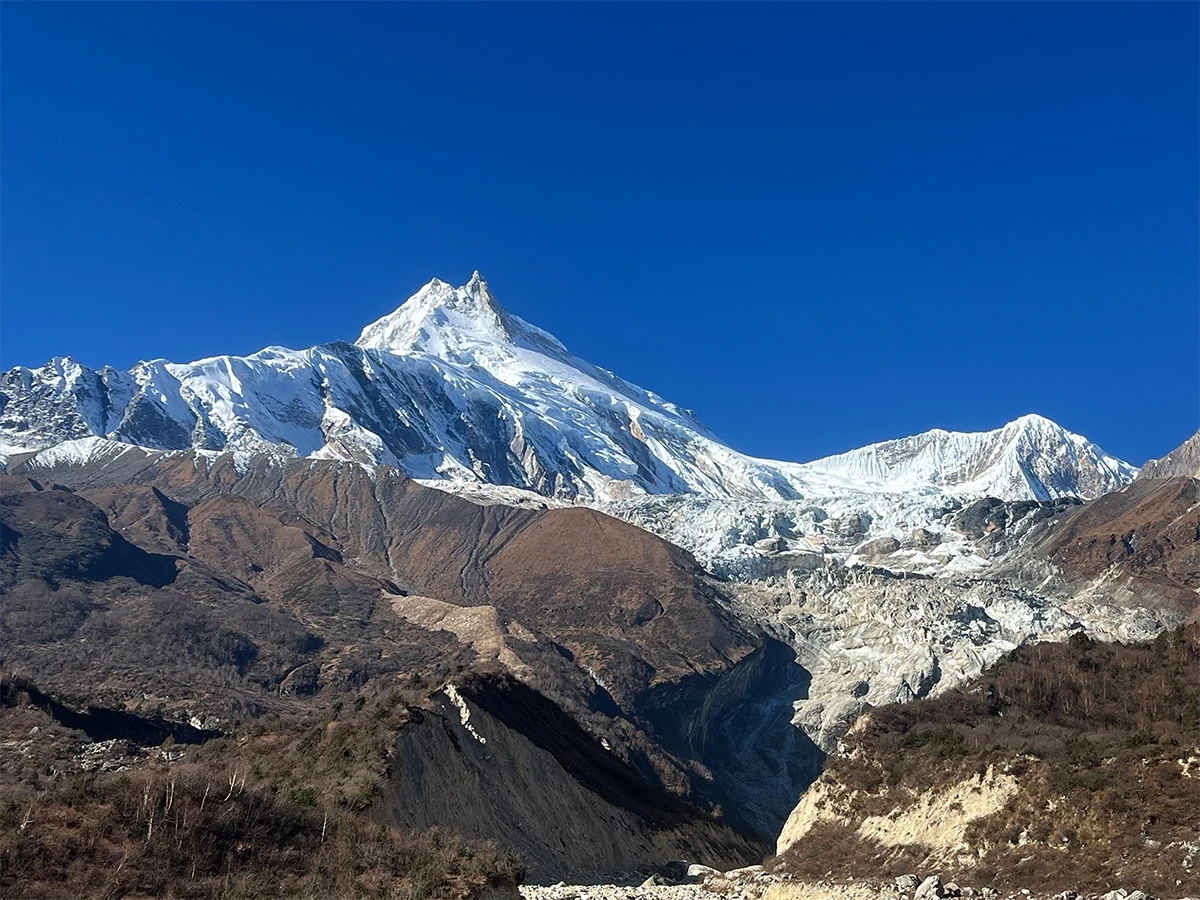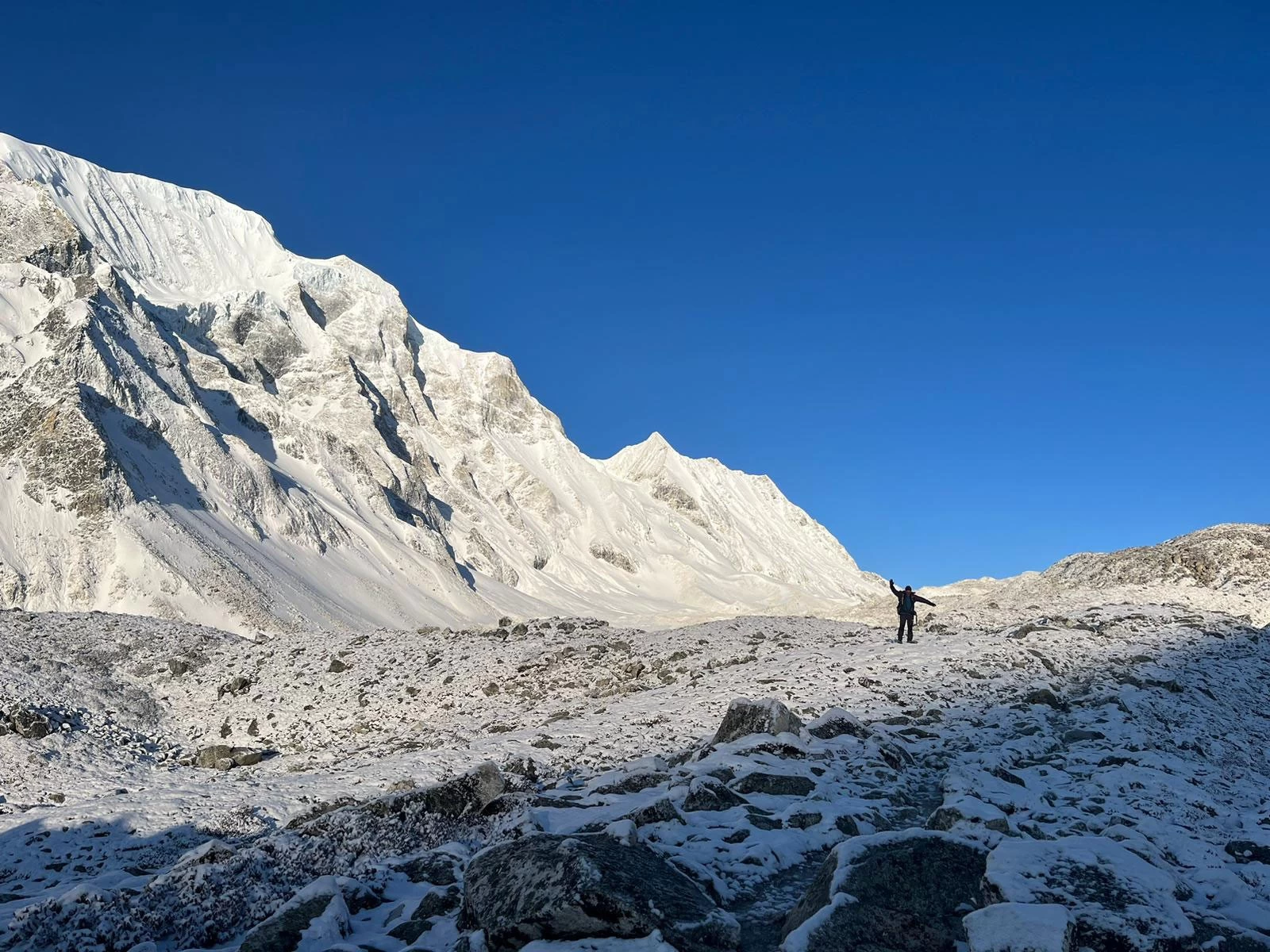
The 14 days Manaslu Circuit Trek falls among one of the more off-the-beaten-path and quieter Himalayan journeys you can find in Nepal. The Manalsu region is one of the most remote parts of Nepal, and the circuit trek only became accessible to the public in the early 1990s.
This trek takes you through remote mountain villages, deep river valleys, traditional Buddhist culture, and across the dramatic Larkya La Pass, making it a rewarding choice for trekkers who want a less crowded alternative to Everest Base Camp and Annapurna treks.
This Manaslu Circuit Trek itinerary is ideal for travelers who want a better-paced route with time to enjoy the trail, adjust to the altitude, and fully appreciate the landscapes and culture along the way. With its mix of mountain scenery, authentic local life, and high-altitude adventure, the 14-day version offers a stronger balance of challenge and experience than shorter, more rushed itineraries.
Plan your 14-day Manaslu Circuit Trek with our local team for a well-paced itinerary, permit support, and reliable guide service from start to finish.
The 14-day Manaslu Circuit Trek in Nepal begins with a unique bus ride experience from Kathmandu Valley to Machha Khola, the beginning point of this trek. The days to come will be filled with mesmerizing mountain views, remote villages, diverse geography, warm local hospitality, and cultures.
Each day presents a new journey as you ascend higher and follow the trail that leads you deep into the Himalayas. These trails pass through the Budhi Gandaki valley upward through a series of villages and river crossings. As the elevation increases, the trail reaches the upper settlements of Samagaon and Samdo, where trekkers prepare for the high pass section.
From there, the trail goes on to Dharamsala, which is the last stop before crossing Larkya La Pass. After the pass, the trail goes down into the Bimthang area and then on to Tilije and Dharapani. This is where the trek connects to the Annapurna side and the road trip back starts.
This route flow is one of the reasons the Manaslu Circuit is so rewarding. It feels like a full journey rather than a simple out-and-back trek. It also gives the itinerary a natural progression, which is important for pacing and altitude management.
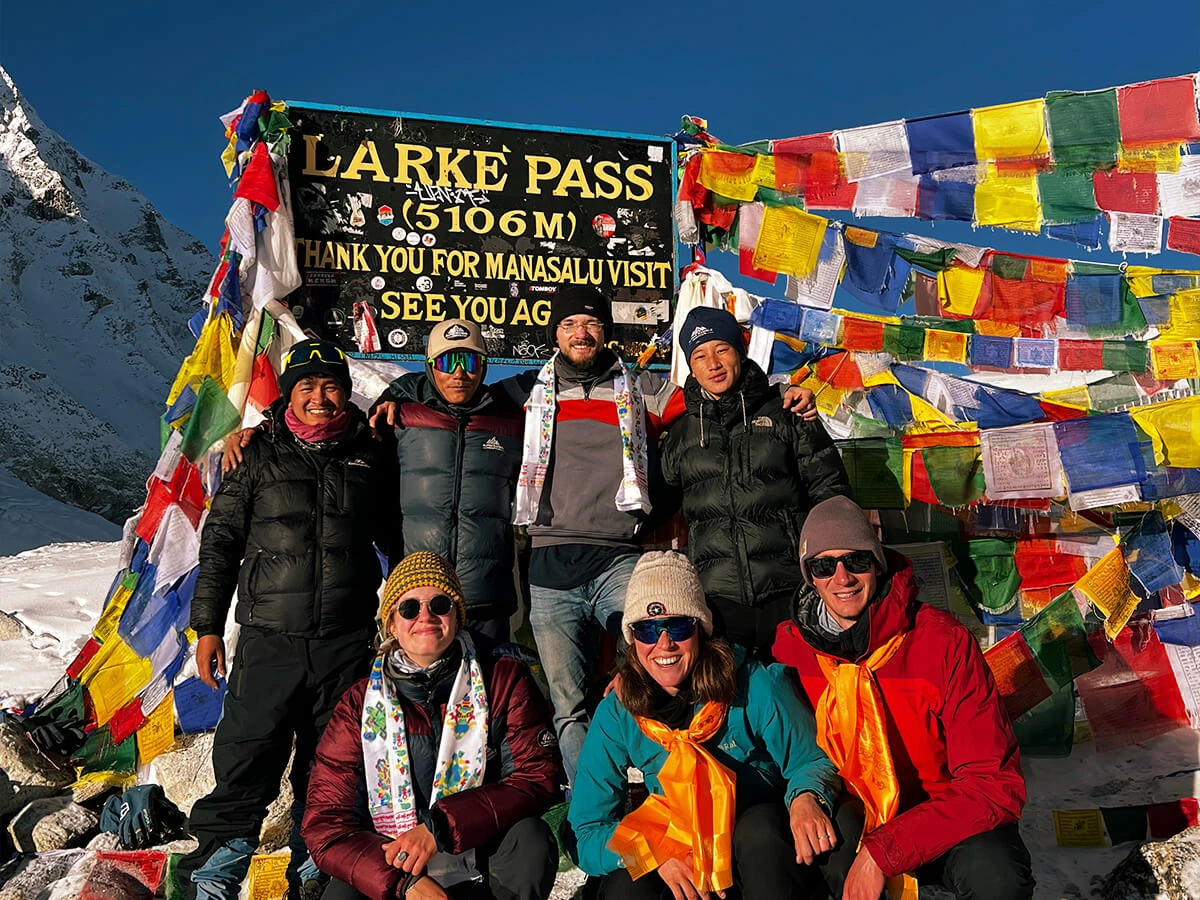
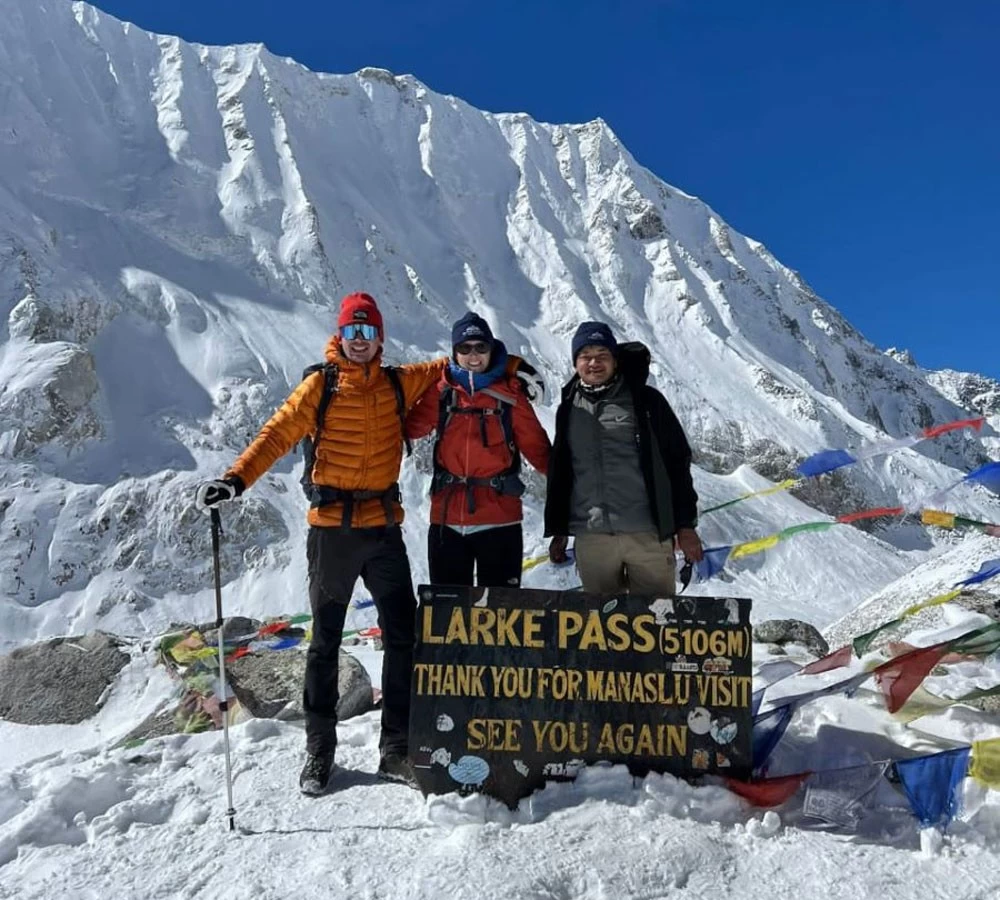
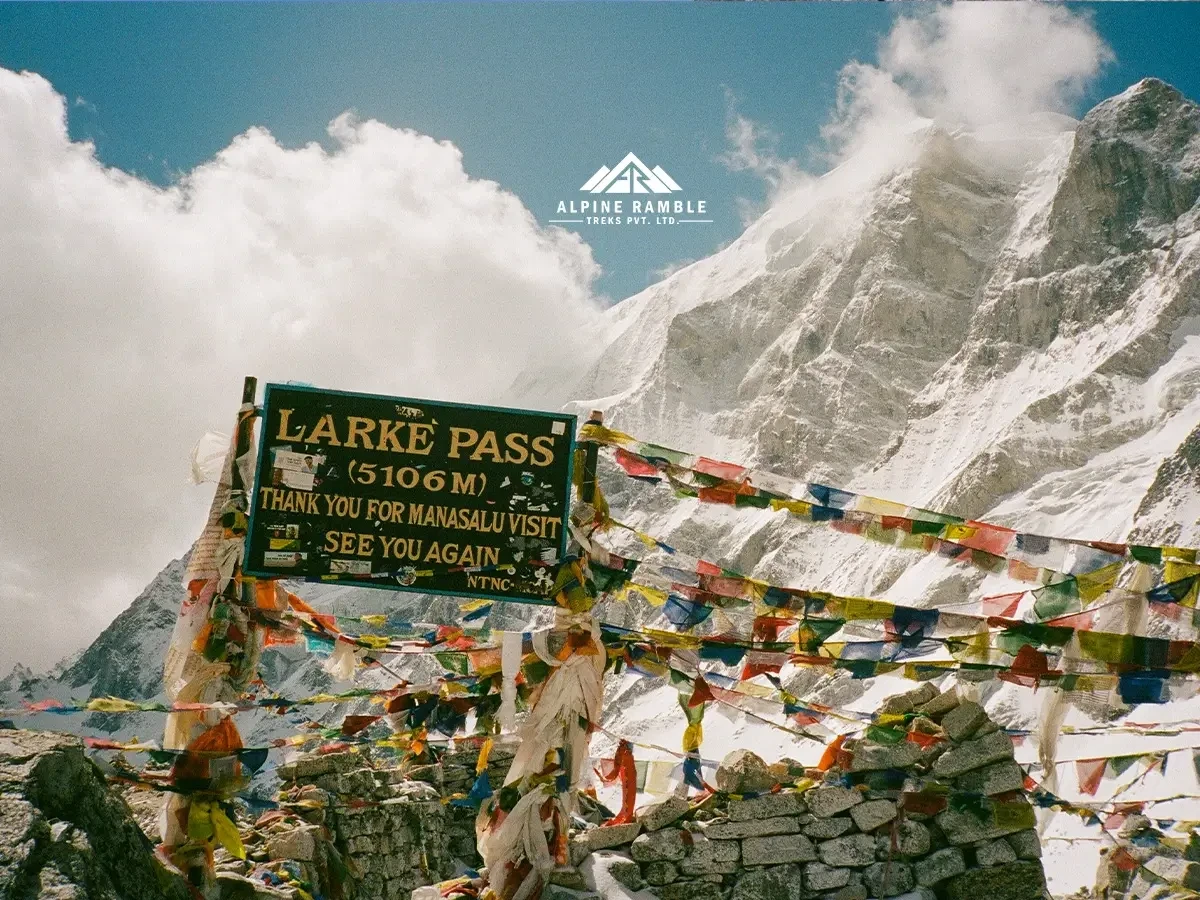
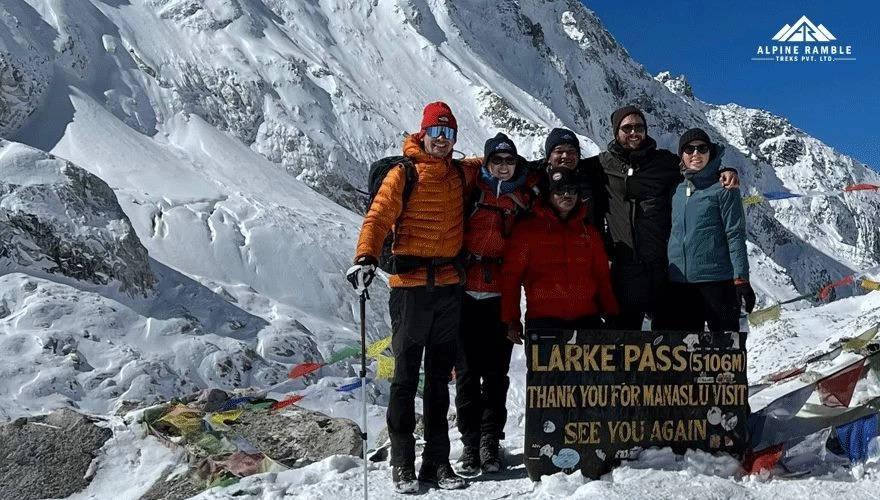
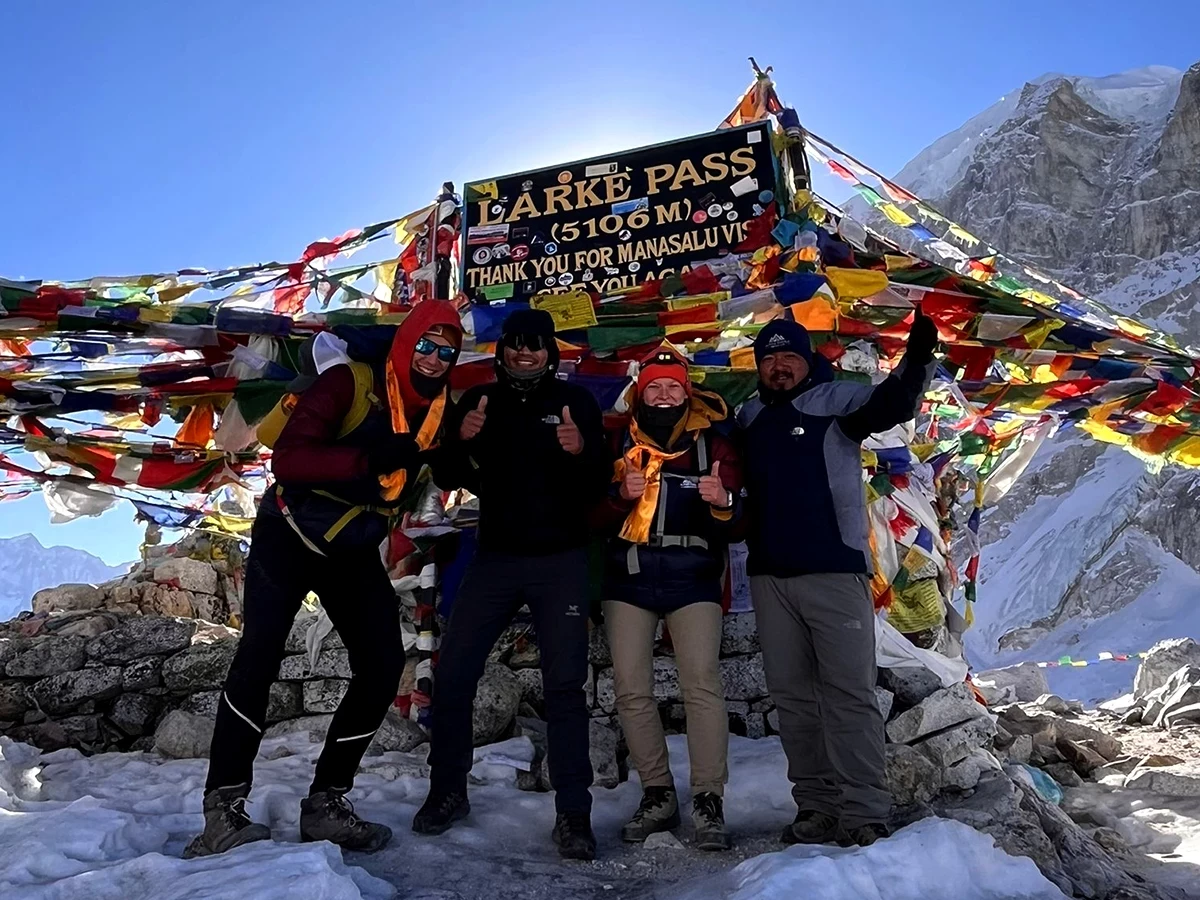
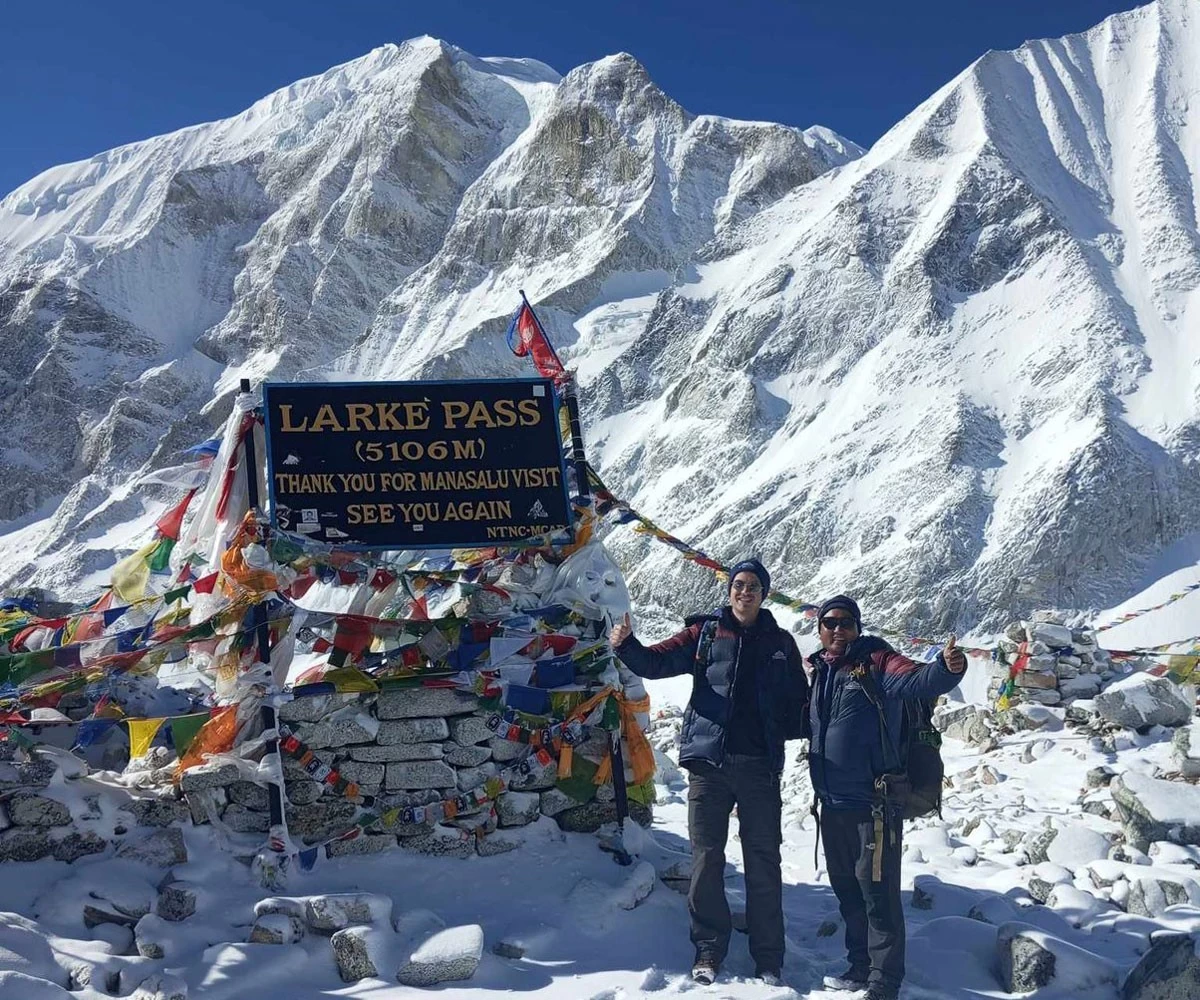
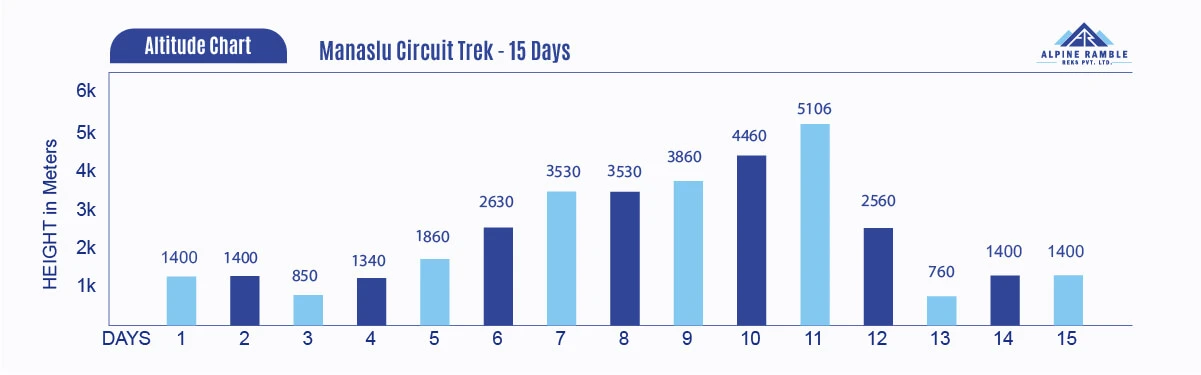
For the duration of 14 days, the maximum elevation will be the Larkya Pass (5,106 meters). Since it is one of the highest passes in Nepal, the difficulty ranges from moderate to challenging. It is known for its wild mountain views, quiet trails, and strong cultural identity. The Manaslu region feels more traditional, less commercial, and more immersive than busier trekking routes.
This 14-day Manaslu trek is for people who want to have enough time to finish the whole circuit comfortably while still keeping the schedule tight. For travelers who want a real Manaslu experience without cutting the route too short, this is a great choice.
Why Choose the 14 Days Manaslu Circuit Trek?
The 14-day Manaslu Circuit Trek comes with different perks, from a better overall trekking experience with a steady pace to a deeper cultural and spiritual experience and immersion in nature. With proper trekking days, it is one of the strong choices for trekkers who want more than just a fast crossing of the route.
The best thing about this itinerary is that it gives the trek enough time to feel like it was worth it. You don't have to rush from one overnight stop to the next in hopes of making it in time. This gives you more time to adjust to the altitude, enjoy the trails, and learn about the Manaslu region.
This particular 14 days offers the most well-balanced itinerary. It is still an active trek, but it feels more practical and comfortable than shorter versions. That matters in a place like the Manaslu Circuit, where the trails are remote, away from civilization; the villages are spread out; and the Larkya La Pass day is a real high-elevation highlight of the entire trek.
This trek is also a good choice for people who want a quieter trail in Nepal. Everest and Annapurna are famous for a reason, but the Manaslu Circuit Trek is better for people who want to avoid crowds, experience more local culture, and feel like they're on a journey.
If you are looking for a Himalayan trek that combines scenery, culture, challenge, and a more natural mountain experience, the 14-day Manaslu itinerary is one of the best choices in Nepal.
If you want a Manaslu itinerary that feels complete rather than rushed, this 14-day version offers a better balance of challenge, pace, and experience.
Manaslu Circuit Trek Route Highlights
The Manaslu Circuit Trek is truly an adventurous journey. It takes you through remarkable landscapes, villages full of old cultures and traditions, unique architectures, and diverse environments. The route starts in the lower valley, where the trail follows the Budhi Gandaki River through forests, terraced hillsides, suspension bridges, and traditional villages. As you move higher, the scenery opens into wider valleys, alpine terrain, and dramatic mountain views.
The route of the Manaslu Circuit gives the perfect opportunity to experience the cultural atmosphere of the Himalayas, which is one of the major highlights. The villages, such as Samagaon and Samdo, have old settlements that have shown the strong cultural influences of Tibetan Buddhism of the upper Manaslu Region. The path is filled with mani walls, monasteries, prayer flags, and stone-built settlements, which add a spiritual depth to the beautiful scenery of the mountain landscapes.
The crossing of the Larkya La Pass is one of the defining moments of the trek. It is the challenging and highest point on the route, but it is also one of the most rewarding experience of the entire journey. From here, the trail moves toward the Annapurna side, where the landscapes gradually change again.
Budhi Gandaki Valley and Lower Trail Experience
The lower part of the trail makes the hike feel like it's moving and changing. You walk through narrow valleys, cross long suspension bridges, and pass through hillside villages that still feel like home.
Samagaon and Samdo
These upper villages are some of the most memorable parts of the trip. They are important places for getting used to the mountain culture, and they also make the landscape feel more open and dramatic. This is a drastic difference compared to the lower parts of the Manaslu Circuit.
Crossing Larkya La Pass (5,106 meters)
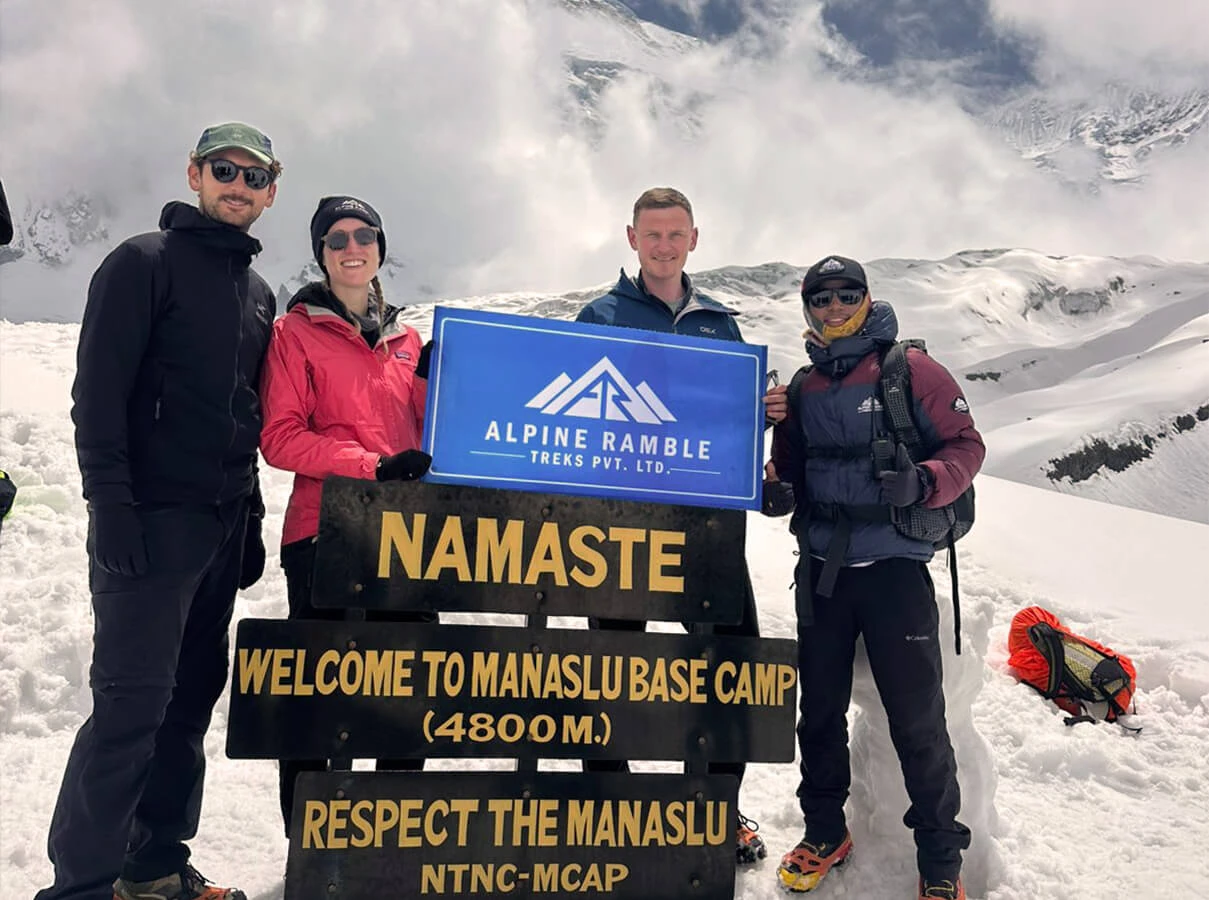
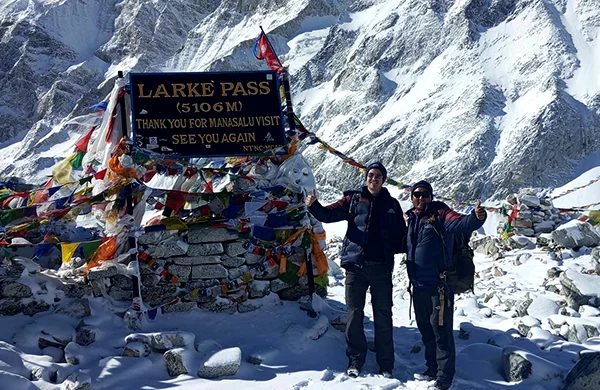
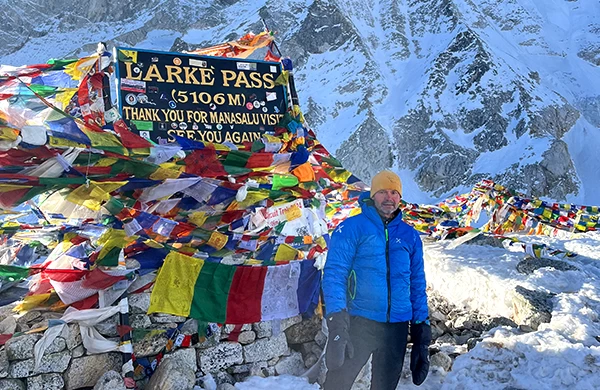
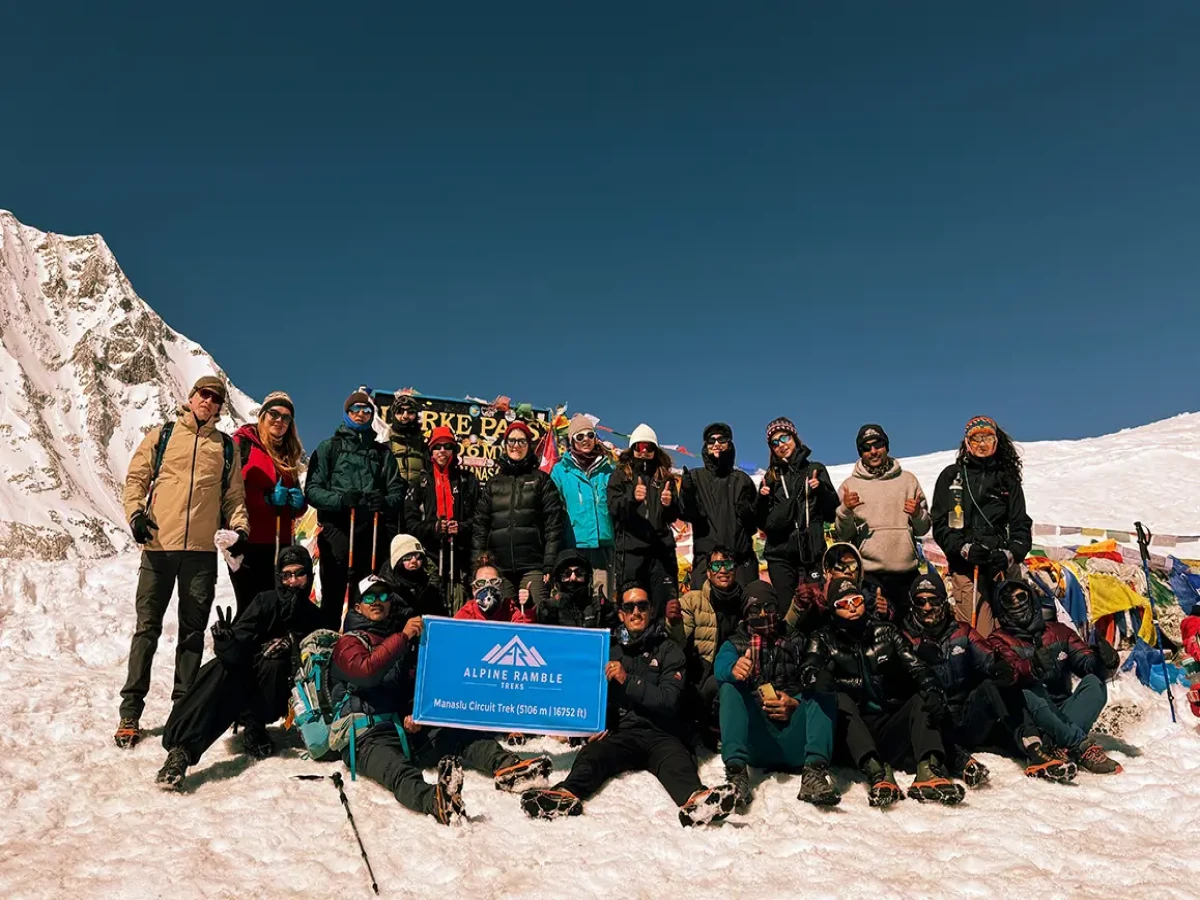
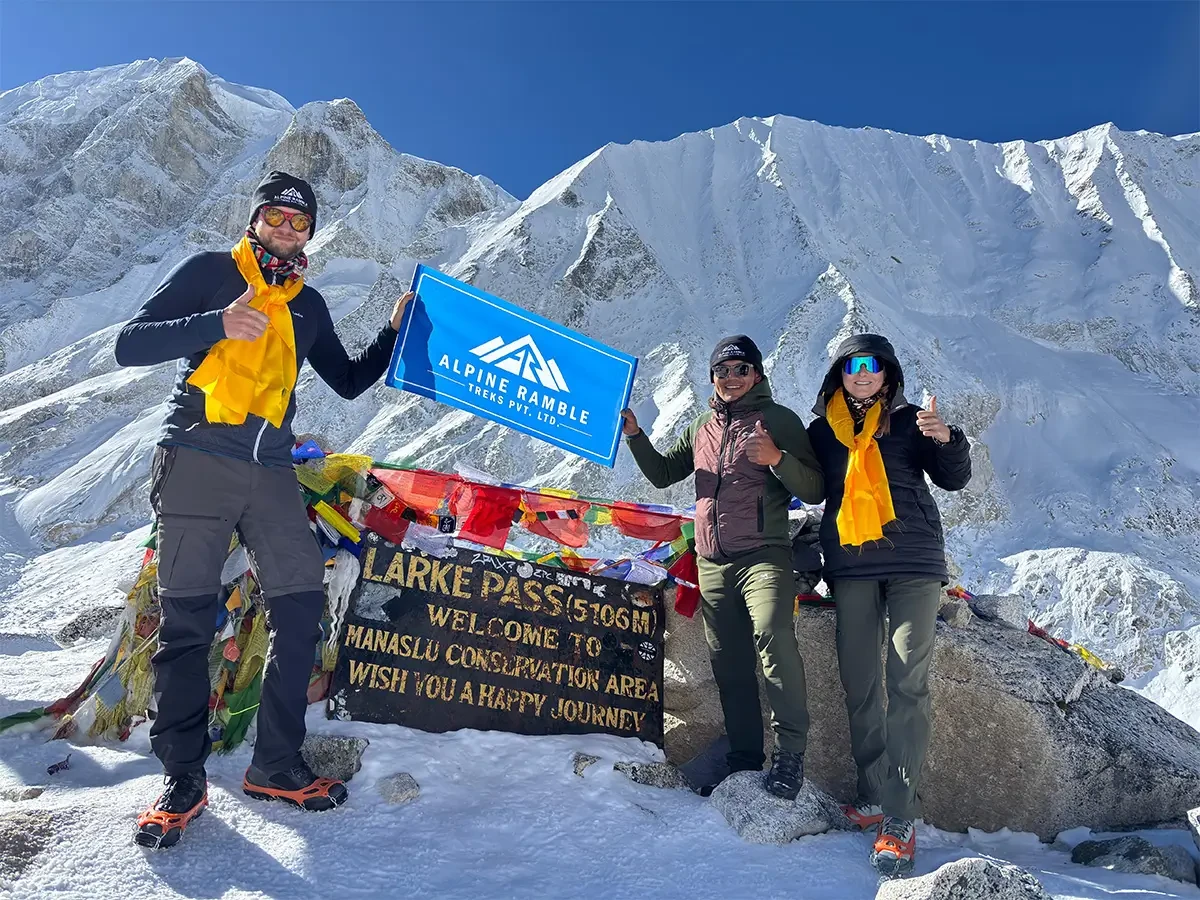
Larkya La is a physically challenging yet rewarding part of the trek. The crossing combines high altitude, reaching up to 5,106 meters (16,752 feet); stunning views of the mountains; and the sense of finishing a big journey in the Himalayas.
Remote Culture and Mountain Villages
The Manaslu Circuit is special not only because of the beautiful views, but also because of the unique character of the villages along the way. The route feels quieter, more like the old days, and more connected to life in the mountains. This trail helps to connect with the spiritual energy as the locals practice Tibetan Buddhism.
Why do the Manalsu Circuit Trek 14 Days with Alpine Ramble Treks?
Doing the Manaslu Circuit Trek is a one-in-a-million experience, and you need thorough preparation to successfully complete it. And while it may sound exciting to handle everything on your own, it is a lengthy process and definitely gets in the way of you enjoying the trek. From legal permits and documents and handling logistics, fully enjoying the trek will be hard.
That is why Alpine Ramble Treks is here. You will best enjoy the 14 Days Manaslu Circuit Trek with the right pace, good local support, and a team that knows the trail well. We always focus on making the journey smooth, well-organized, and enjoyable from the moment you arrive in Kathmandu to the day you leave Nepal. Here are the perks of choosing Alpine Ramble for your journey:
A well-paced itinerary
Our thoroughly developed itinerary of a 14 days route gives you appropriate time for acclimatization and lets you enjoy important stops like Samagaon and Samdo without feeling too rushed.
Our guides are very well versed with the Manaslu region, from the trail and weather to the local culture, villages, and daily trekking rhythm. So your experience will be very authentic.
Permits and logistics arranged properly
We will handle all the required permit processes, transport, and trip coordination, so you can focus on the experience rather than the paperwork.
This route is not only about mountain views. It is also about Buddhist culture, prayer walls, monasteries, traditional villages, and the changing landscapes of the Budhi Gandaki Valley.
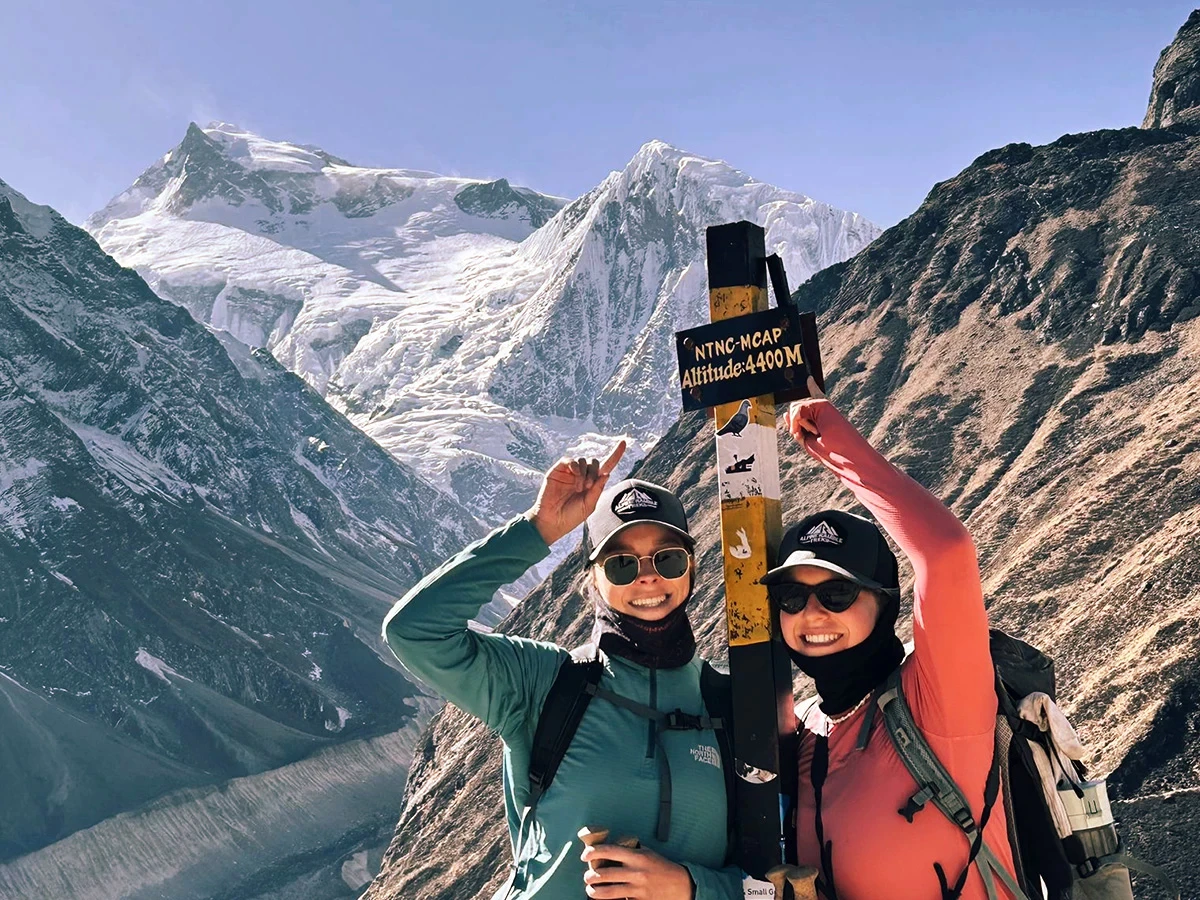
Our itinerary is very well planned, so along the trail, you can enjoy views of Mount Manaslu, Himlung Himal, Nadi Chuli, Cheo Himal, Kang Guru, and Ganesh Himal.
We keep our trips professional but also warm and personal so you feel supported throughout the journey and get a wide range of experiences.
For trekkers who want a less crowded trail with strong culture and a real sense of journey, the Manaslu Circuit is one of the best choices in Nepal.
Is the 14 days Manaslu Circuit Trek Right for You?
There are a lot of factors one considers before deciding what destination is the right destination. And when it comes to trekking in the mountains, your physical health, mental health, and preparedness are some of the top considerations.
The Manaslu Circuit Trek falls among one of the most remote parts of Nepal and is considerably less traveled compared to the Annapurna and Everest Circuits. That being said, the trek itself is one of the most fulfilling experiences, both visually and culturally you will ever get.
-
The trails are off-beat and quieter, so if you prefer a livelier trail, then the trek might not be suitable to your taste.
- You do need to be reasonably fit and be ready for harsh high-altitude conditions, unpredictable weather, and long hours of uphill and downhill hiking daily.
- Prior trekking experience is not required but will definitely benefit you.
- The trails are remote, which means basic facilities for accommodation and amenities are available.
- You will get a fuller experience of trekking with the 14 days itinerary of the Manaslu Circuit.
- This is the best choice if you want a real and remote Himalayan experience with high elevation and the preserved culture of the ethnic mountain communities.
What Is the Maximum Altitude on the 14 days Manaslu Circuit Trek?
The maximum altitude of the Manasu Circuit trek is also one of the major highlights of the trek, which is Larakya La Pass, reaching up to 5,106 meters. It is one of the more demanding parts of the trek but also one of the biggest accomplishments.
Manaslu Circuit Trek Map and Route Overview
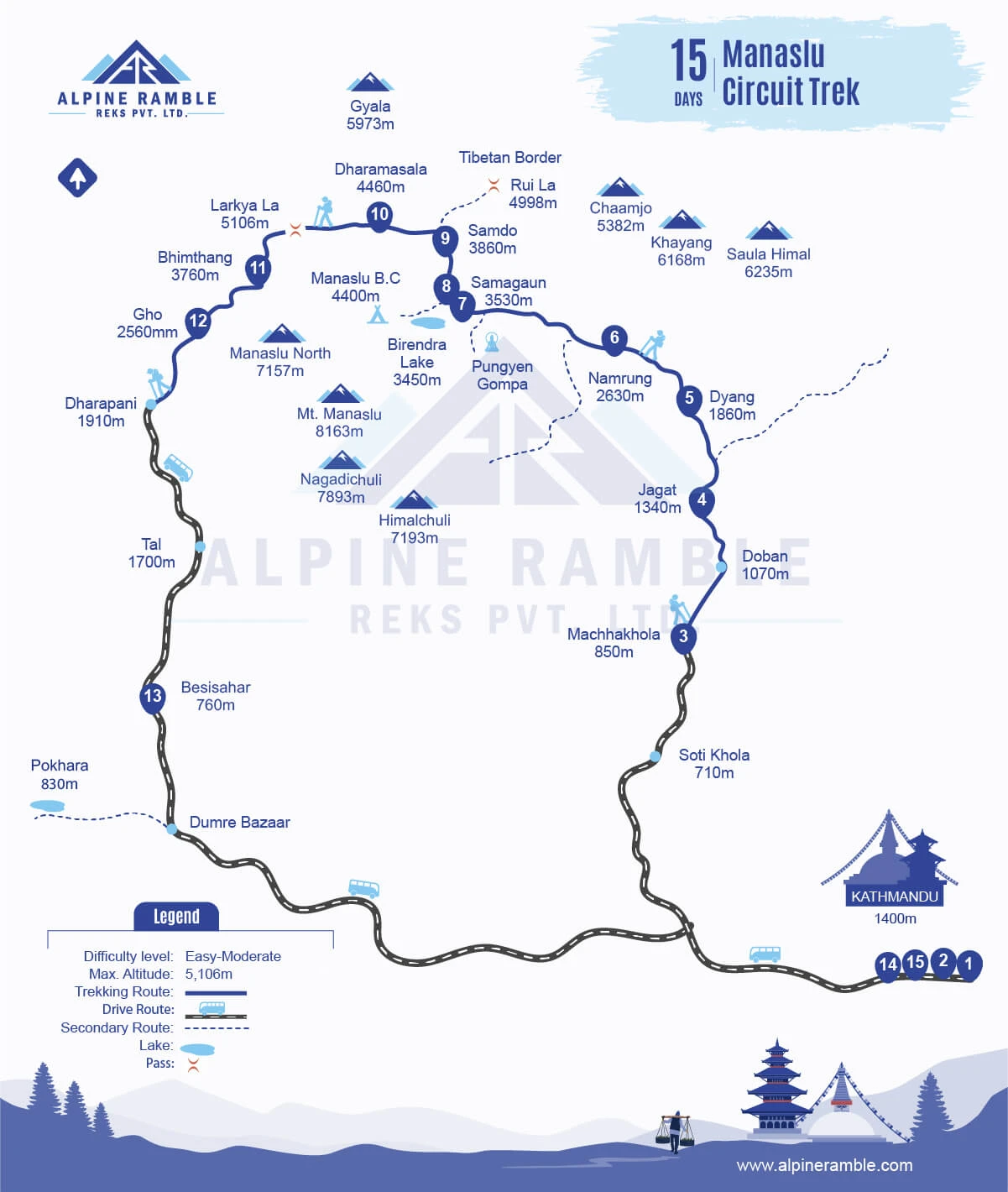
The first part of the 14 Days Manaslu Circuit Trek is a drive from Kathmandu to Machha Khola. The trail goes through Jagat, Deng, Namrung, Samagaon, and Samdo, following the Budhi Gandaki Valley as it slowly rises higher into the Manaslu region.
From Samdo, the Manaslu Circuit trekking route continues to Dharamsala before crossing the Larkya La Pass, the highest point of the trek. After that, the trail descends through Bimthang, Tilije, and Dharapani, which actually connects with the Annapurna Circuit trail, followed by the return journey to Kathmandu. The route gives a full circuit experience, with changing scenery, remote villages, and a quieter trail than many other popular treks in Nepal with good acclimatization stops.
Manaslu Circuit Trek Route: Kathmandu – Machha Khola – Jagat – Deng – Namrung – Samagaon – Samdo – Dharamsala – Larkya La Pass – Bimthang – Tilije – Dharapani – Kathmandu
Manaslu Circuit Trek Cost for 14 Days
The Manaslu Circuit Trek Cost 14 days depends on what is included in your package already, but it is still helpful to get an idea about average daily costs along the trail. Apart from the main package price, trekkers also spend on average, on food, accommodation, drinks, charging, showers and other small personal items during the journey. As a general rule, the further you travel into the Manaslu region, the higher the costs, as everything has to be brought into more remote mountain villages.
Food Cost on the Manaslu Circuit Trek
As a daily expense, food is one of the most important things to take into consideration. When it comes to food, you can expect to spend anywhere from $20 to $40 per day, depending on your appetite, preference, the menu you choose, and the altitude you are at. The lower villages are typically more affordable, whereas the higher villages, such as Samagaon, Samdo, and Dharamsala, where supplies are more difficult to bring in, have higher prices for meals.
Accommodation Cost on the Manaslu Circuit Trek
The accommodations found on the Manaslu Circuit Trek are actually very simple and are all teahouses. The rooms are very basic in dormitory style with twin beds and generally cost around USD 10 to 15 per night, while higher and more remote stops can range from about USD 20 to 25 per night, especially during the main trekking seasons.
Transportation Cost on the Manaslu Circuit Trek
The overall cost of the Manaslu trek includes transportation costs as well; it is an important component of the trek itself. The transportation for this particular trek is only accessible via road, as flights are not possible apart from helicopters, which are quite expensive.
The transportation is mainly on the route to and from Kathmandu. And the vehicle can be chosen as per your preference, from a local bus to a shared or private jeep, and the cost also depends on what you choose. The local bus is far cheaper than the private jeep, but the private jeep offers speed and flexibility that the local bus does not offer.
For local travel, the cost of transportation can range anywhere from $15 to $30 per person, while the cost of private jeep transportation is typically much higher, depending on the route and the number of people in the group, and roughly ranges from $190 to $290.
Other Expected Personal Expenses
In addition to budgeting for food and lodging, the trek cost also includes money for additional personal expenses while they are on the trail. Tea, coffee, snacks, bottled or boiled water, high-temperature showers, charging stations, Wi-Fi, and tips are typically included in this category. Although these may appear to be relatively minor expenses on their own, they can add up to a significant amount over the course of a 15-day journey, particularly at higher altitudes where prices are naturally higher.
What Affects the Overall Cost?
The overall Manaslu Circuit Trek price can vary depending on the season, group size, transport type, and the level of service included in the package. A private trek with more support and comfort will naturally cost more than a shared group trip, while spring and autumn often bring slightly higher trail prices due to demand. For that reason, it is always best to look at the cost of the Manaslu Circuit Trek as a combination of package inclusions and expected daily trail expenses.
How Difficult Is the 14 Days Manaslu Circuit Trek?
Trekking the Manaslu Circuit for 14 days is a high-altitude journey that ranges from moderate to challenging. Long days of hiking, conditions on the trail that are difficult to access, consistent elevation gain, and traversing the Larkya La Pass are all components of the challenge.
This is not the most technical of the Nepal treks, but you do need to be reasonably fit, be able to keep a steady pace, and be mentally prepared for a few days of mountain walking. The trail includes stone steps, difficult terrain, narrow spaces and high altitude, especially in the upper part of the route.
One advantage of this 1-day version is that it seems more manageable than shorter versions of the same circuit. The extra time helps to take the edge off the feeling of rushing and gives trekkers a better chance to acclimatize and recover between tough sections.
Is the 14 Days Manaslu Circuit Trek Difficult?
Yes, the trek is moderate to challenging in difficulty, but nonetheless, it is achievable for trekkers with good preparation and a realistic pace. It is best suited to people who are comfortable walking for several hours a day in mountain terrain.
Daily Walking Hours and Trail Conditions
On average you can expect to walk 5-7 hours per day, but it varies from day to day. However, you can expect some days to be super active with constant ups and downs, whereas some days are easier and shorter. The trail conditions also range from lower forested sections to rocky high-altitude terrain near the pass.
Larkya La Pass and Altitude Challenge
As Larkya La pass is the highest elevation during the trek, it also makes it the most challenging part. And the addition of high altitude, cold temperatures, and the long trekking hours makes it one of the key challenging parts of the entire route.
Who Is This Trek Suitable For?
This trek is ideal for fit trekkers who want a quieter and more remote experience in Nepal. It is especially best for trekkers who want a fully authentic and thorough experience of the Himalayas rather than a shorter and more compressed package that Annapurna and Everest offer.
Permits and Guide for the Manaslu Circuit Trek
The Manaslu Circuit Trek is a restricted-area trek in Nepal, which means it requires permits as well as guide support. This is one of the most important things for trekkers to understand before choosing the route. And as of March 2026, even solo trekkers are allowed with a licensed guide, lifting the restriction of a minimum of two people, while independent trekking is not allowed.
What Permits are Required for the Manaslu Circuit Trek?
The trek requires the relevant regional permits for the Manaslu route, including the restricted-area permit and conservation-related entry permits based on the trail section.
- Manaslu Restricted Area Permit (MRAP): ~USD 100 per person/week (Sep-Nov) or ~USD 75 (Dec-Aug)
- Manaslu Conservation Area Project (MCAP): ~USD 30 per person (NPR 3,000)
- Chumnubri Rural Municipality Permit (CRMP): ~USD 10 per person (NPR 1,000)
- Annapurna Conservation Area Project (ACAP): ~USD 30 per person (NPR 3,000)
Do You Need a Guide for the Manaslu Circuit Trek?
Yes, the trek is generally organized with a licensed guide because of the restricted-area rules and permit process. A guide also adds safety, support, route knowledge, and local understanding in a remote region.
Why Is Manaslu a Restricted Area?
The Manaslu region is a part of the Manaslu Conservation Area Project and managed by the National Trust for Nature Conservation (NTNC). Restriction is mainly implemented to safeguard its delicate biodiversity, which includes snow leopards and red pandas, as well as to maintain traditional Tibetan-influenced culture, manage remote trails with a high risk of contamination, and so on. Furthermore, because of its proximity to the border with Tibet, the government is required to monitor traveling individuals in order to guarantee their safety.
Best Time for the 14 Days Manaslu Circuit Trek
The best time for the Manaslu Circuit Trek is generally during spring and autumn, when the weather is more stable and the trail conditions are usually more favorable for crossing the high pass. These seasons are also the most popular because they offer a strong balance of mountain visibility, trekking comfort, and overall route reliability.
Spring is a very good season for the Manaslu Circuit Trek. The conditions are usually suitable for trekking, the landscapes feel lively, and the route can be especially rewarding for trekkers who enjoy a vibrant mountain atmosphere. The moderate temperature also makes it ideal for the trekkers during the spring season.
Autumn is another excellent time to do the trek. This season is often favored for its strong visibility, stable weather, and cooler overall temperature. It is the perfect time to get the best Himalayan trekking experience with a higher chance of a success rate.
Winter and monsoon can still be considered depending on the traveler’s experience, flexibility, and expectations, but they usually require more caution. Trail conditions, weather, and comfort can be more challenging outside the main trekking seasons.
Monsoon season can be challenging due to the rain, slippery trails, and often low visibility. Whereas the winter season is extremely cold, and the snow can make it harder to trek, especially when crossing the high pass.
Accommodation and Food on the Manaslu Circuit Trek
Accommodation on the Manaslu Circuit Trek isn't exactly a luxurious experience but is simple and enough to get you a good rest for the night. The accommodation along the trail comes in the form of teahouses or trekking lodges.
And being one of the more recent trails as well as one of the most remote parts of the country, the standard they offer is more basic than on some of Nepal’s busier trekking routes, especially at higher altitudes, but that is also part of the trail’s remote character.
Food on the Manaslu trek is generally more local, such as Dal Bhat with seasonal vegetables, which is designed to support trekkers through long days on the trail. Lower sections may offer a wider range of choices, while higher villages usually have simpler menus
Altitude during the Manaslu Circuit Trek should be taken lightly, and its effect should be seriously considered. The route climbs steadily and reaches its highest point at Larkya La Pass at 5,106 meters, so pacing and acclimatization matter throughout the itinerary.
One of the advantages of the 15-day Manaslu Circuit Trek is that it gives the route a more sensible rhythm; there is no rush or delays, just a smooth flow of reaching the daily destination. With acclimatization-focused stops and a more balanced schedule, the trek feels more supportive than a compressed version.
The highest point during the 14 days Manaslu Circuit Trek is the Larkya La Pass (5,106 meters), which is the major altitude and endurance challenge of the trek.
This itinerary includes a more comfortable progression through the upper villages with gradual ascent and steady pacing, which helps trekkers adapt more naturally to the increasing elevation.
Trekkers should always respect the effects of altitude, walk at a steady pace, stay well supported, and communicate with their guide if they feel unwell. A good itinerary and a strong support team make a real difference in high-altitude trekking.
Make a good communication effort with the guide and always be honest about what you are feeling at all times. Altitude sickness can be prevented if the right steps are taken, but failure to do so can end in a fatal situation.
Our 14-day Manaslu itinerary is designed to balance route progression, trail experience, and altitude awareness for a safer and more enjoyable trek.
Who Is the 14 Days Manaslu Circuit Trek Best For?
The 14 Days Manaslu Circuit Trek is best for trekkers who want a quieter Himalayan trail with a more remote and traditional feel. It suits travelers who enjoy mountain scenery, cultural depth, and the sense of completing a full trekking circuit.
This itinerary is especially good for people who want more time than a short package allows but still want to keep the trip efficient. It is also a strong option for trekkers deciding between a rushed itinerary and a more comfortable version that gives the route space to breathe.
While some strong beginners may complete the trek with proper support and preparation, it is generally better suited to travelers with good fitness, commitment, and realistic expectations about mountain trekking.
Packing List for the Manaslu Circuit Trek
A good Manaslu Circuit Trek packing list should focus on comfort, layering, practicality, and the needs of a remote high-altitude route. The goal is not to carry too much but to carry the right items. Always pack light and pack smart. More equipment without any use is just added weight, and at the same time, failing to pack right will just make the entire experience bad.
Layering is important because temperatures and trail conditions can change significantly between the lower trail and the pass section.
Good boots, a comfortable daypack, warm layers, and reliable personal gear are all important for the route.
Personal medication, travel documents, toiletries, and basic daily-use items should all be packed carefully and kept easy to access.
Trekkers usually carry the essentials for the day, while heavier gear goes in the main trek bag. This is a useful section for setting clear client expectations.